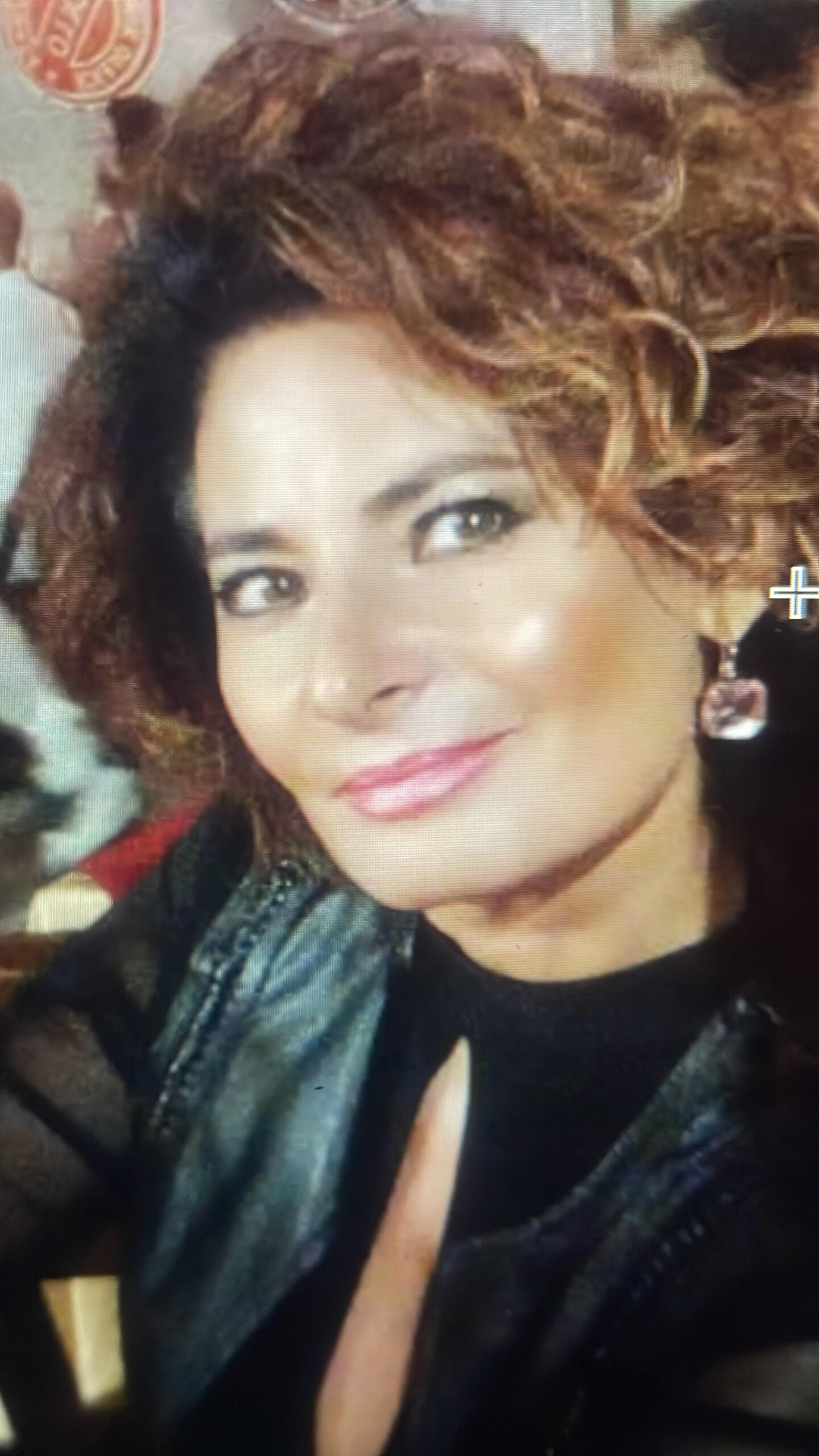
Maria Pina Sallemi
Biography and criticism
Maria Pina Sallemi has participated in numerous solo exhibitions in Italy and abroad, including in Padua, Venice, and Stockholm. Her works are kept in the Historical Universal Archive of Fine Arts at the Academic Center Maison d’Art in Padua, where she has received several awards, including the Pablo Picasso Award and the Leonardo Da Vinci Award, accompanied by the academic diploma of the Protagonists of History. Renowned art critics have written about her works in various specialized magazines, including in the volume *Storia dell’Arte Italiana Contemporanea*, edited by art historian and critic Carla d’Aquino Mineo. Maria Pina Sallemi is widely recognized in the international cultural scene, thanks in part to her presence in exhibitions, articles in magazines, and television interviews that position her painting among the most significant artistic expressions of our time. Professor Vittorio Sgarbi wrote a critique of the work *Alessitimia*, published in the 2023 Mondadori International Contemporary Art Yearbook. Maria Pina has participated in prestigious artistic initiatives, such as the Porto Franco project, with the uncensored works of Vittorio Sgarbi, and took part in the Rome Biennale in Nemi. In 2024, she received a plaque in the *Premio Artista nella Storia* project, with the publication of her works in the *Effetto Arte* catalog, accompanied by a critical review by Josè Van Roy Dalì. **Artistic Journey**: I teach at the Primary School in Comiso, where I live, and I have a deep passion for both education and my hometown. My teaching activity allows me to experiment with new learning methods, including creative projects with children. My passion for art has grown over time: as a self-taught artist, I began painting with oil paints in my free time, which is limited due to professional and family commitments. My interest in art started in childhood when I discovered I was capable of enlarging figures faithfully to the original. During middle school, I learned to use tempera paints, and later I began working with oil paints, reproducing the works of great masters from the past and experimenting with landscape photography, which I then transferred to canvas. Every year, I created a new work, despite the limited time available. Thanks to social media, I discovered the PitturiAmo portal, a website dedicated to contemporary painters, where I uploaded my works. This gave me the necessary push to continue painting and expressing through colors the most intimate emotions and reflections. My art represents my inner journey, the contemplation of nature, and the well-being of the spirit. I created a series of paintings titled “The Journey Within the Soul,” which collects my inner reflections translated into images. Among the most significant works are: *Il divenire* (Becoming), *La finestra del cuore* (The Window of the Heart), *Atarassia*, *Slancio dell’anima* (Impulse of the Soul), *Specchio dell’anima* (Mirror of the Soul), and *Serenità* (Serenity). In these works, the landscape becomes a metaphor for my thoughts and moods. The technique I primarily use is oil on canvas, sometimes combined with spray, to give greater expressiveness to my works. The visibility gained through the PitturiAmo portal allowed me to be contacted by gallery owners, and today I am able to exhibit my works at the Maison D’Art Gallery in Padua, with the support of art critic Carla D’Aquino Mineo. Among the most important exhibitions, there was the presentation of my work *Il Divenire* at the *IntimArte* exhibition, followed by a solo exhibition at the Officers’ Club of Padua on July 5, 2018, with a critical presentation by Carla D’Aquino Mineo. In 2018, I also exhibited in a small solo show at the Duomo Santa Maria delle Stelle in Comiso, on April 1st. The text presenting Maria Pina Sallemi as an artist outside of time, capable of transfiguring reality through an ideal synthesis and impressive painterly softness, raises some critical questions. On one hand, her painting appears to pay homage to masters like Cézanne and Monet, with the intention of capturing atmosphere, the play of light, and the changing landscapes. However, this continuity with Impressionism risks leading Sallemi’s work into a kind of formal repetition without distinctive elements that make it unique or innovative within the contemporary scene. The idea of her painting being “out of time” suggests a realm of eternity that, while emphasizing its universal quality, also risks obscuring a lack of engagement with current artistic and cultural issues. The evocation of romantic and idealized art, although captivating, might appear disconnected from contemporary stimuli, which demand a more direct dialogue with reality, its contradictions, and tensions. Furthermore, the emphasis on luminosity as a unifying and spiritual element, while poetically appealing, might seem like an idealistic view that overlooks the more complex or raw aspects of life and art. In this sense, Sallemi’s work could sometimes appear static and lacking the critical tension necessary to push art in new directions. The risk is that the superficial charm of her luminosity may hide a lack of conceptual depth. Ultimately, while Maria Pina Sallemi’s painting deserves appreciation for its beauty and technical skill, a more thorough critique might raise questions about its innovative value and its relationship with contemporary artistic demands.
Category of affiliation
- Painting
Technique
Painting
Quotations
The highest market valuation achieved with a painting is € 8.000
Critiques received from
Prof. Sgarbi, Prof. Perilli, Dott.ssa D’Aquino, Dott.ssa Zappulla
Artworks

Atarassia
- 2027
- 70 cm x 40 cm
- Oil on canvas

Il silenzio eloquente
- 2020
- 90 cm x 100 cm
- Oil on canvas
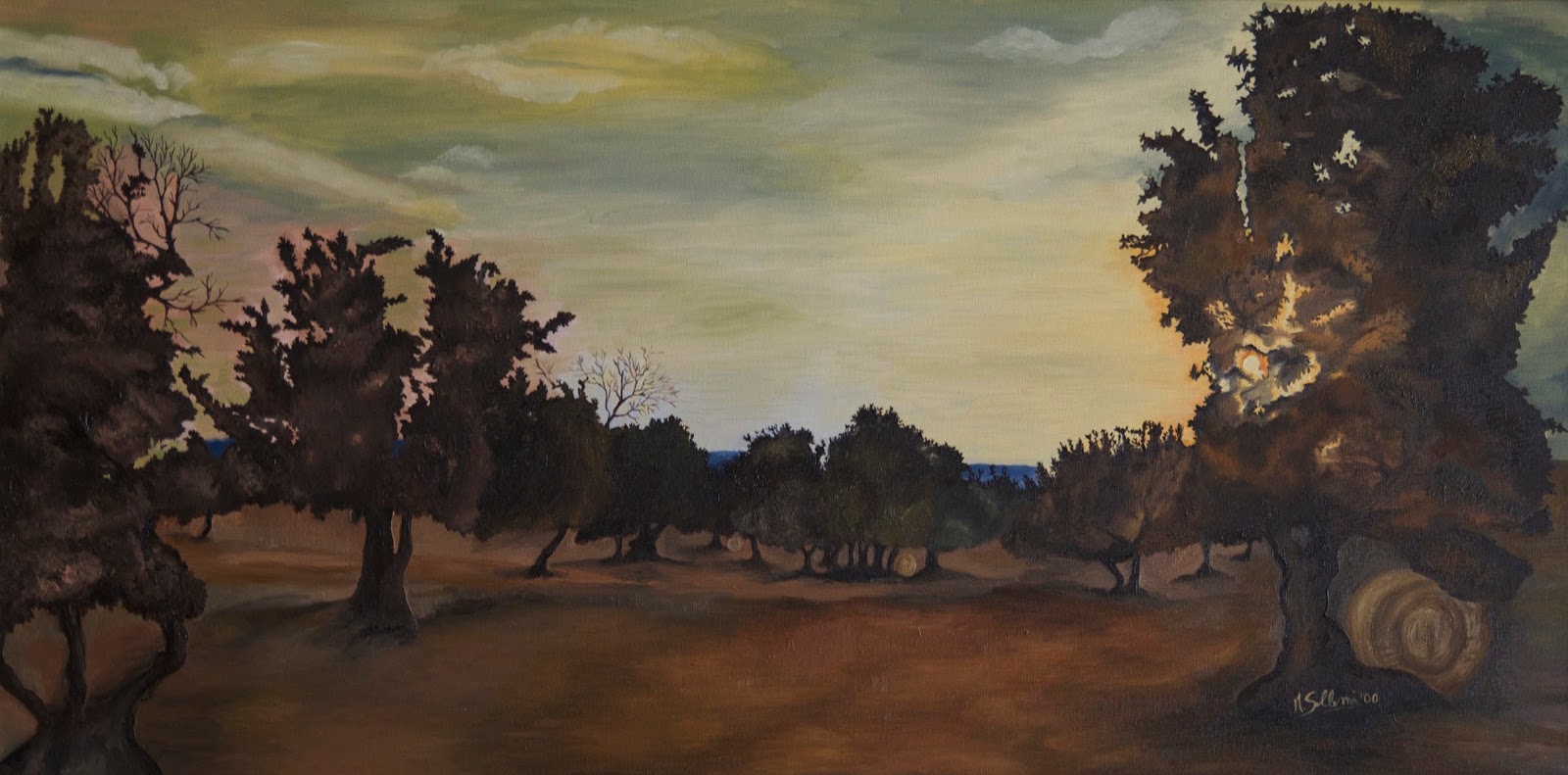
Il carrubeto
- 2000
- 80 cm x 120 cm
- Oil on canvas