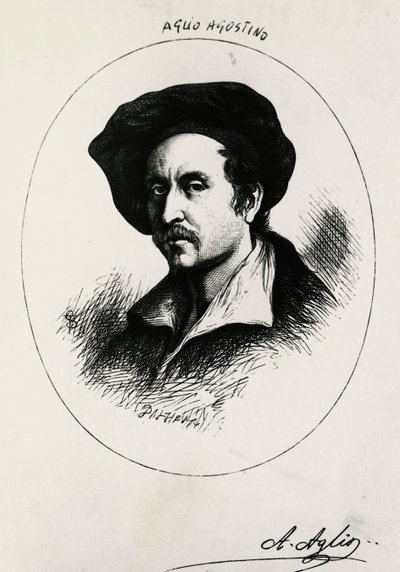
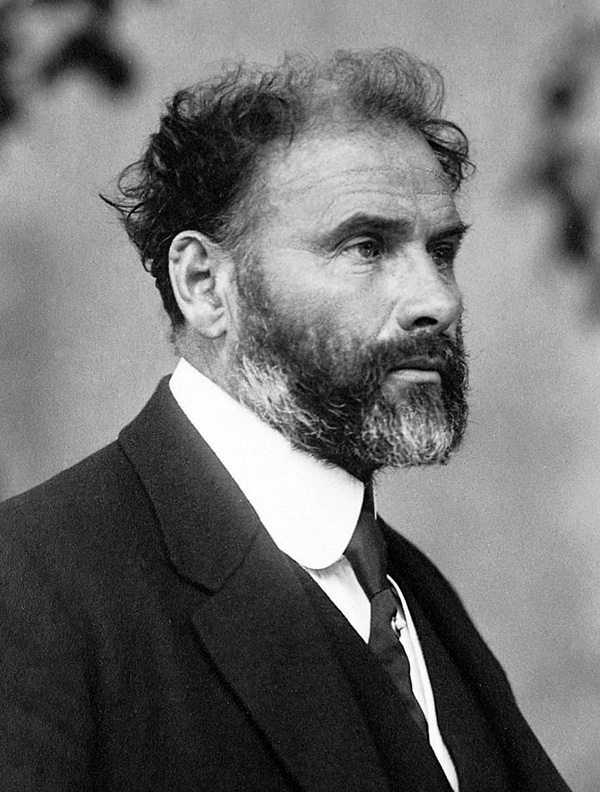
Paul Gauguin
Biography and criticism
Paul Gauguin (1848–1903) was a French painter and sculptor known for his bold use of vibrant colors and for depicting unspoiled, exotic landscapes often populated by female figures from Brittany and Polynesia. His works are also marked by strong outlines and a sense of mystery and solemnity. Throughout his life, Gauguin sought to embrace a form of primitivism, which led him to abandon the urban lifestyle of Paris in favor of rural and later exotic locations such as Brittany, Polynesia, and Haiti. Artistically, this journey drove him to reject academic styles and experiment with innovative techniques. Initially close to the Impressionists, he eventually felt the need to explore more expressive methods, positioning himself as a Post-Impressionist, specifically a “Synthetist,” someone who combined natural forms, emotions, and pure colors. His name is closely associated with Vincent and Theo van Gogh, with whom he shared both artistic and personal ties. Gauguin’s life was marked by adventure, travel, existential struggles, and fluctuating financial fortunes, and he gained recognition only after his death. Born Eugène-Henri-Paul Gauguin on June 7, 1848, in Paris, he was the son of Aline Marie Chazal, the daughter of the renowned South American writer Flora Tristan, and Clovis Gauguin, a journalist. During Gauguin’s first year, France was in political turmoil due to a coup d’état by Napoleon III. His father, a staunch republican, was exiled, and the family moved to Lima, Peru, where Gauguin spent his early childhood. His father died during the journey, and although this was a traumatic event, Gauguin’s early memories of Peru profoundly influenced his later interest in untamed landscapes and animist cultures. In 1855, the family returned to France, where Gauguin attended school, but he did not excel academically. At 17, Gauguin joined his mother in Paris, where she had moved after taking up work as a seamstress. The situation left him uneasy, so he decided to embark on a voyage aboard a merchant ship. He visited Rio de Janeiro and India, gaining new inspirations before returning to France after learning of his mother’s death. With the Franco-Prussian War underway, Gauguin, at 23, enlisted in the army. After his return, Gustave Arosa, a wealthy art collector and his mother’s former partner, took him under his wing, offering him a position as a stockbroker and introducing him to contemporary art, particularly works by Delacroix, Corot, Courbet, and Pissarro. Gauguin’s life seemed to stabilize; he married a Danish woman, Mette Gad, and they had five children, and he even began acquiring works by impressionists. However, his passion for painting grew, and by the late 1870s, Gauguin was more drawn to the expressive side of art, influenced by his relationships with fellow artists like Emile Schuffenecker and Camille Pissarro, who guided him into the Impressionist circle. Gauguin exhibited with the group, but it was clear he was searching for something more personal. In 1883, the collapse of the Union Generale bank left Gauguin financially unstable, and despite hopes that his art would provide for him, he found no commercial success. Facing mounting financial problems, he briefly moved to Denmark, but there he found no peace either. Returning to France, he participated in the final Impressionist exhibition in 1886, after which the movement began to fade. During this time, Gauguin also experimented with craftwork, particularly ceramics, influenced by pre-Columbian designs seen in Peru. Seeking a more isolated and artistic environment, Gauguin moved to Pont-Aven in Brittany, far from the modernity of Paris. There, he interacted with young artists, including Emile Bernard and Charles Laval, and adopted a new style of painting, inspired by the cloisonnism technique, which used bold lines to separate areas of pure color. His work during this period, such as *The Vision After the Sermon* (1888), marked a departure from traditional realism. That same year, he visited Vincent van Gogh in Arles at the invitation of Theo van Gogh. Despite initial tension, Gauguin and Van Gogh shared a period of artistic collaboration. However, Gauguin became uncomfortable with the strict lifestyle at the “Yellow House,” and left abruptly, leading to Van Gogh’s infamous ear-cutting incident. In 1889, Gauguin attempted to gain recognition at the Exposition Universelle in Paris but was met with disappointment. His exhibition was criticized for being disconnected from Impressionism. It wasn’t until the early 1890s, with the rise of Symbolism and a growing idealistic movement in France, that Gauguin began to gain more recognition. During this period, his works became more introspective, exemplified by pieces such as *The Yellow Christ* (1889). Gauguin felt increasingly constrained by French society, and in 1891, he decided to move to Tahiti. There, with the support of an art auction and a government grant, he embarked on what he saw as his artistic mission. Gauguin was drawn to the untouched culture of the Polynesian people and produced a series of famous works such as *Manao Tupapau* (1892) that captured the essence of his new surroundings. Although his time in Tahiti was initially inspiring, Gauguin soon faced financial difficulties again. On a return visit to France, he tried to gain recognition but was met with failure and even hostility. After a difficult period in Brittany, during which his relationship with his students and the local community deteriorated, he returned to Tahiti in 1895, where he spent his final years. Despite ongoing health issues, including syphilis, and the death of his daughter Aline, Gauguin found peace in the Marquesas Islands, where he continued to work and express himself through both art and writing. He also became involved in a public dispute with a gendarme, leading to a conviction for slander, but was not imprisoned due to his declining health. Gauguin died on May 8, 1903, in Hiva Oa, where he had finally found some measure of peace, though his life had been filled with personal, artistic, and financial turmoil. His legacy as an innovator of color, form, and expression, particularly through his time in the South Pacific, became more widely celebrated posthumously.
Category of affiliation
- Painting

Artworks
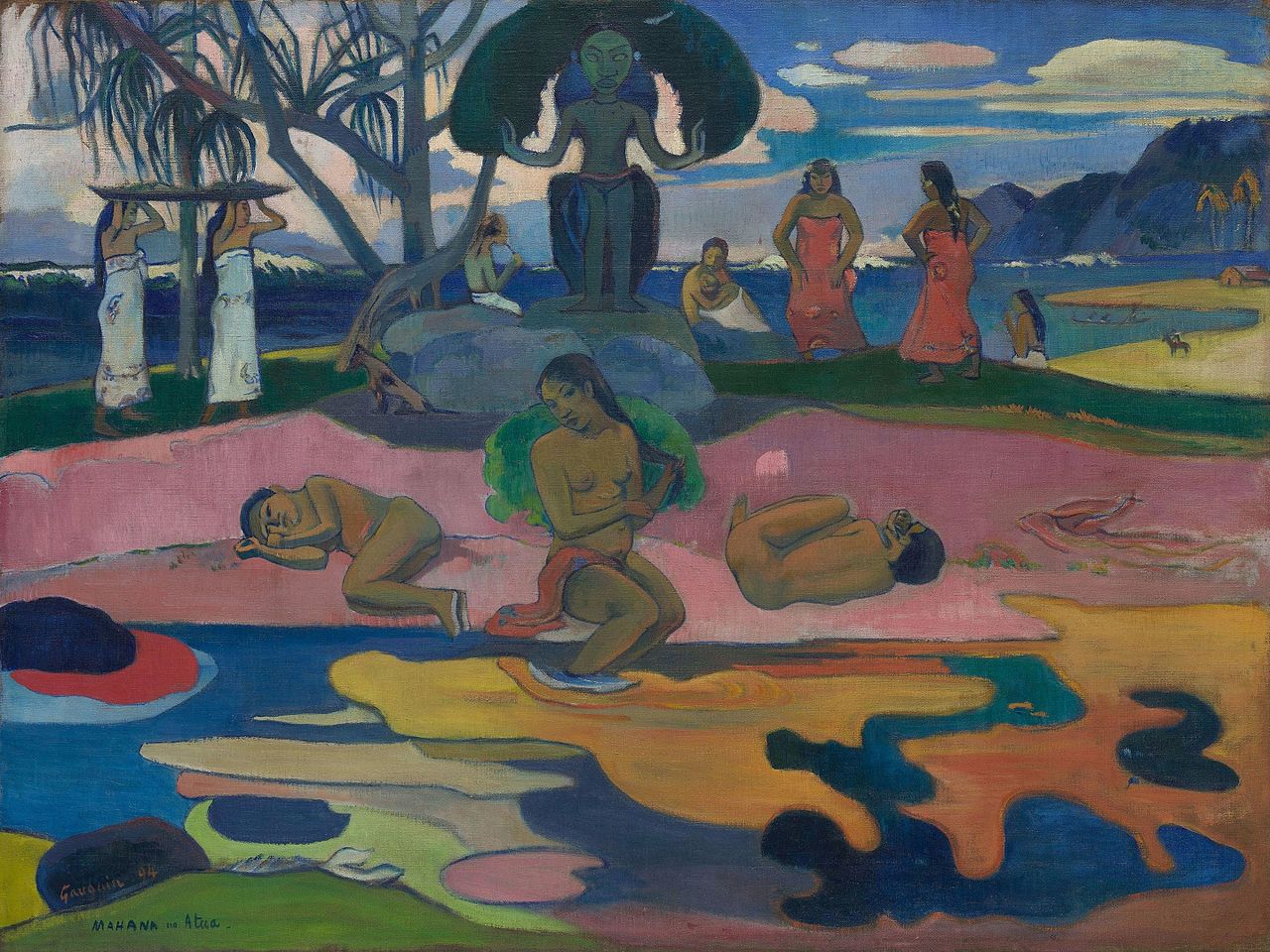
Mahana no atua
- 1894
- 68,3 cm × 91,5 cm
- Oil on canvas
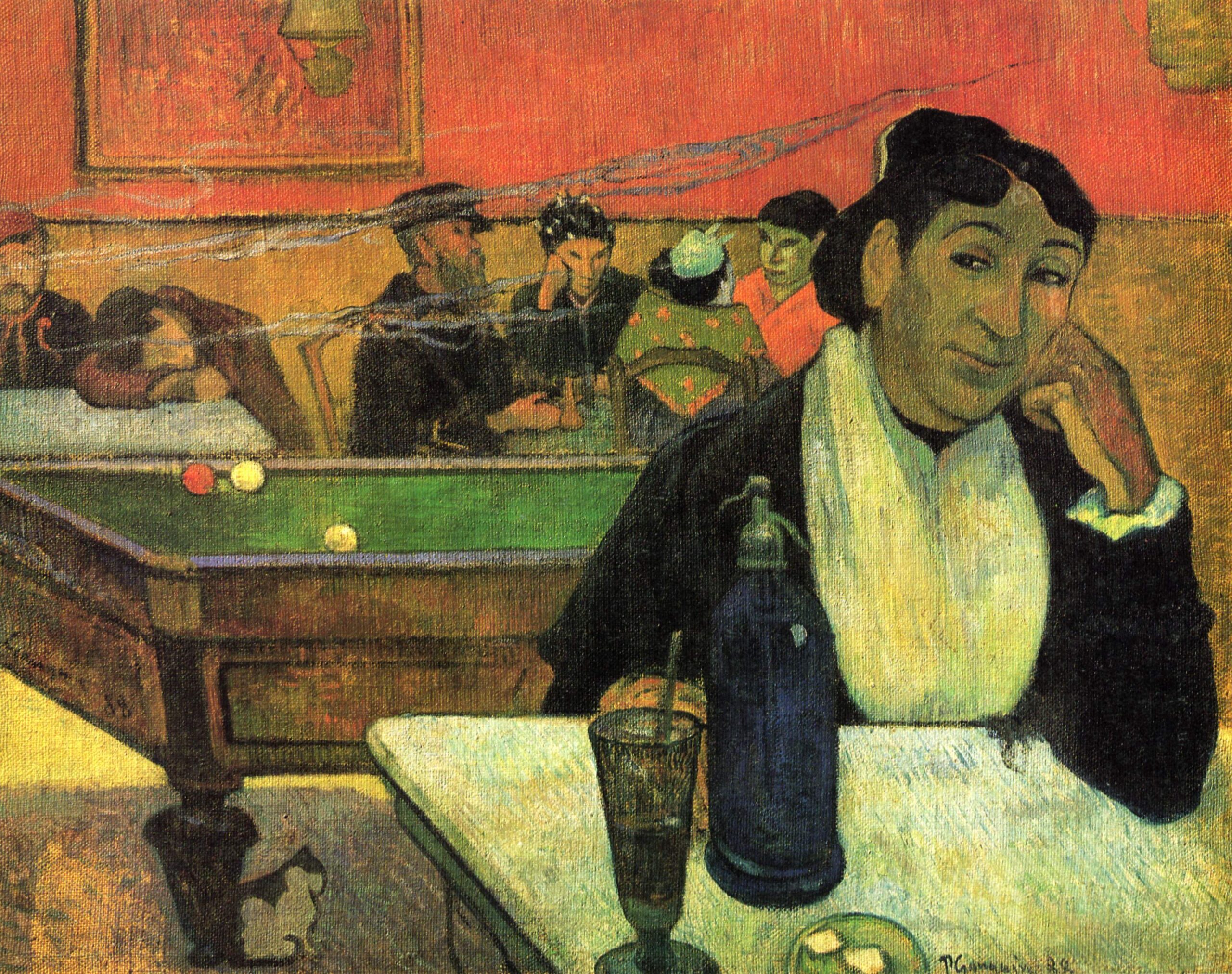
Café de Nuit, Arles
- 1888
- 73 cm x 92 cm
- Oil on jute
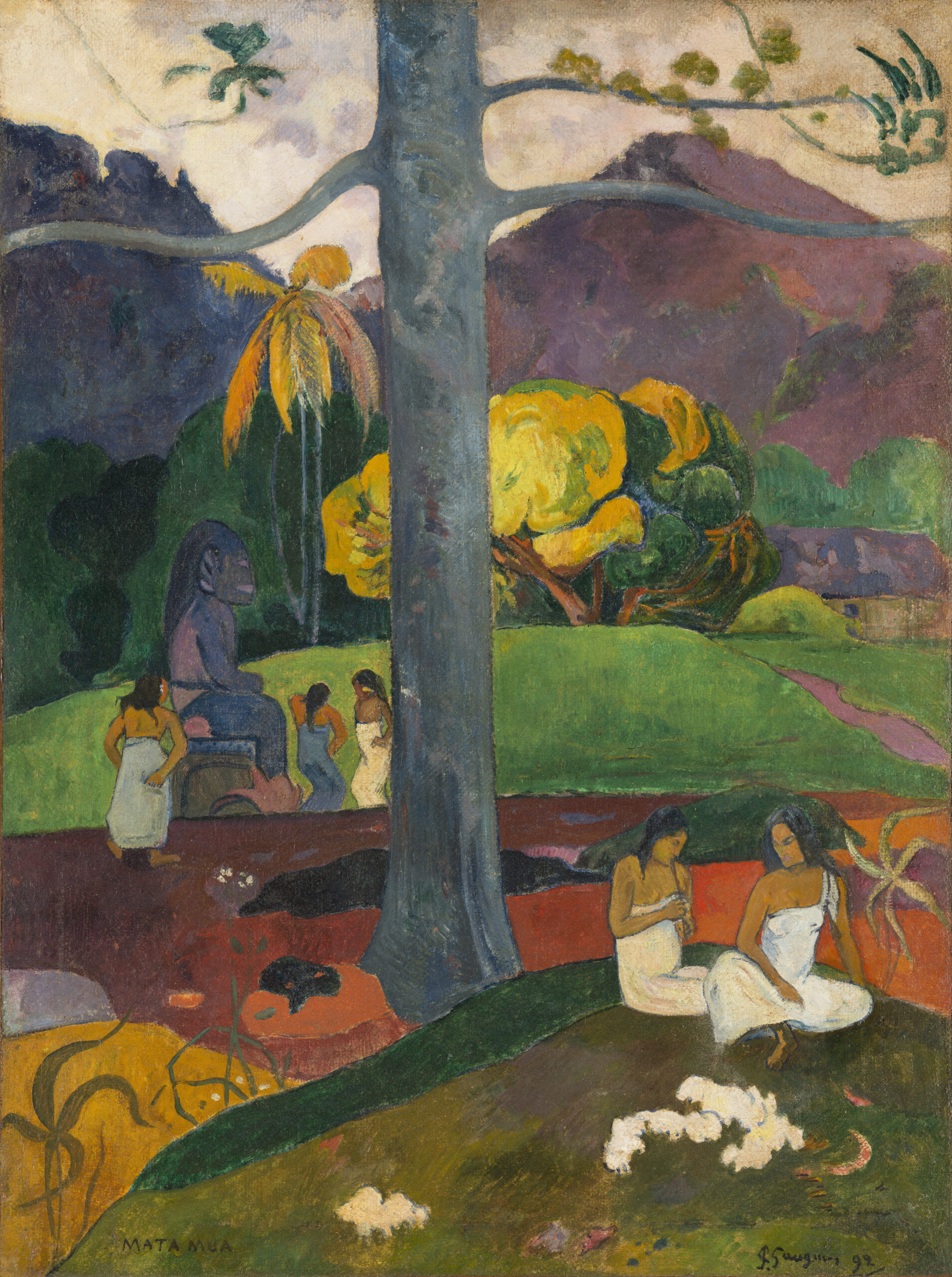
Mata mua
- 1992
- 91 cm x 69 cm
- Oil on canvas