Enrico Napoletano
Biography and criticism
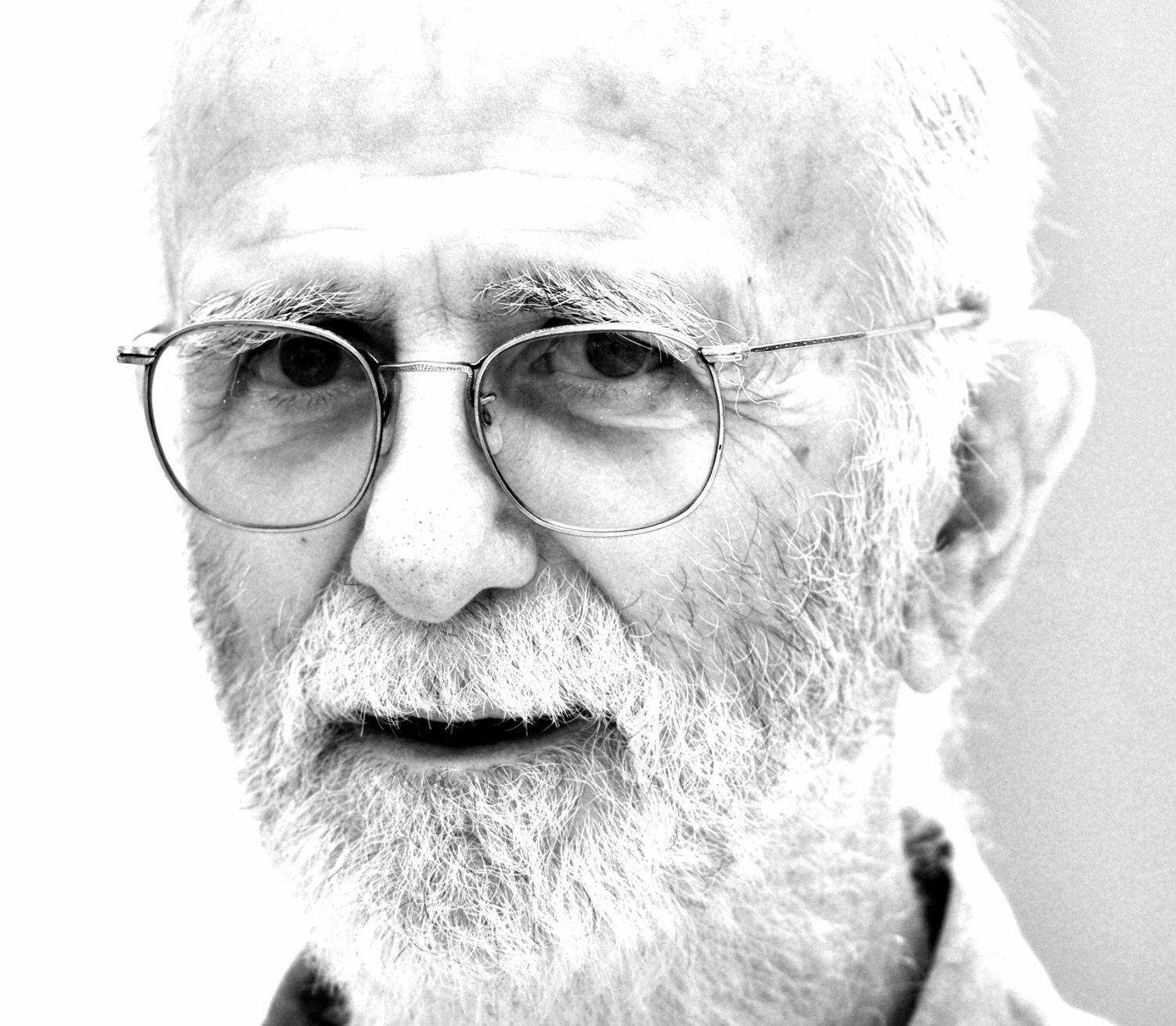
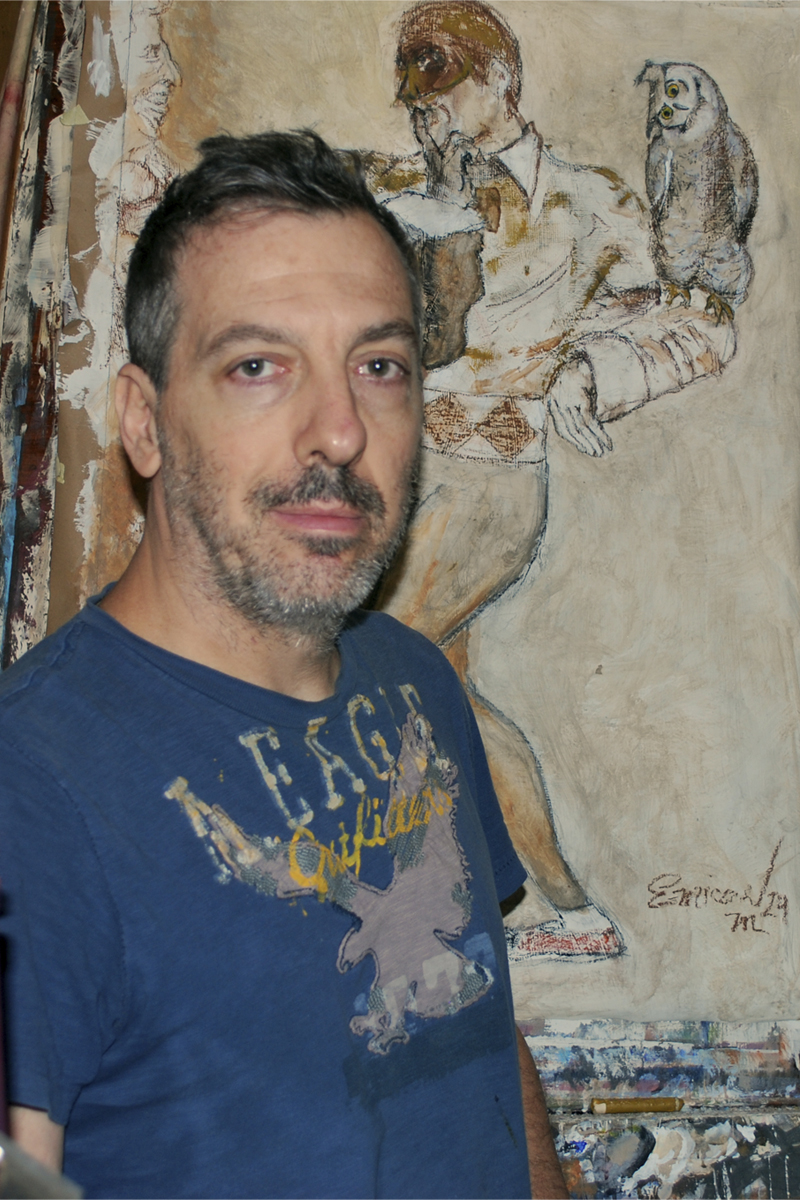
Enrico Napoletano, son of Italian parents, was born in Venezuela in 1974. After exhibiting in numerous galleries and receiving recognition for his artworks in his home country, he returned to Italy, already an architect with a Master’s degree in Philosophy, specifically to the city of art—Florence—where he continued his artistic training. During his time in Florence, he won first prize for best sculpture, awarded by the former director of the Accademia di Belle Arti di Firenze, Professor Domenico Viggiano. He then went on to showcase his work throughout Italy, exhibiting in cities such as Rome, Spoleto, and Turin, among others, and participating in various events, including the International Fair in Cannes, France. He was interviewed by “Voyage Houston”, a magazine based in the United States, and was featured in its bi-weekly “Art & Life” section, along with other publications such as “Bold Journey”. He has also been selected for an exclusive catalog led by art expert Elena Gollini, who did not hesitate to write an outstanding critical review of his work. Currently, he is part of a catalog of internationally established artists, managed by a team behind “Unicatalog”—a directory for artists with over ten years of international experience and recognized awards—headed by art critic and historian Dr. Rosa di Pieria and her team of professionals. At present, Enrico is preparing for an upcoming exhibition in Warwick (NY), a special collective at the prestigious “Winston_Scott Gallery”. Enrico’s works are the result of exhaustive revisionism, drawing from sources such as the exquisite drawings of Gustave Doré, Goya’s “Caprichos”, Giandomenico Tiepolo’s “Il casotto dei Saltimbanchi”, and the refinement of Bernini and Michelangelo, among others. This is because we are faced with a multifaceted figure, one who transitions from figurative sculpture to abstract expressionist painting. His range of abilities, coupled with his intellectual depth, reveals a character for whom art alone is not sufficient. He needs to delve into poetry, driven by his passion for the French symbolist poets such as Rimbaud, the violin of Paganini, the architecture of Le Corbusier, and the structural discipline of the Bauhaus movement. His soul, while light, possesses skin layered like that of a dragon. The protagonist of this artistic narrative is a multifaceted and erudite figure, equally skilled as a painter and sculptor. His work is an eloquent blend of diverse temporal influences, spanning from prehistoric themes to the golden era of the 1960s and 1970s. These inspirations coalesce into a vibrant symphony of ideas, where mechanical objects like vintage cars and radios are transformed into almost robotic creatures. The artist seamlessly merges the ancient with the modern, creating animated subjects that bridge the past and present, often with a prophetic technological resonance. His artistic approach is defined by bold, central figures that draw the viewer’s attention, only to later integrate into a larger collage of objects drawn from memory and history. These works, while initially appearing as disparate pieces, reveal a captivating strangeness and invite contemplation. Through a process of self-reflection and inner exploration, the artist reimagines mechanical parts into organic forms, breathing life into them with a distinct personality. The current body of his work reflects a deep, intellectual, and emotional journey, where the artist chooses to portray not what is seen but what resonates in his subconscious. His work embodies a creative induction, where new forms emerge from intuitive reasoning. Recent works show a dynamic quality, with figures that seem suspended in action or frozen in time. The influence of the Bauhaus school, particularly its architectural principles, is evident in the artist’s exploration of revolutionary structures and conceptual boldness, creating a seamless blend of art and architecture. The artist’s sculptural work is marked by dimensional precision, with figures that retain harmonic proportions while transcending their original contexts. Through this fusion of past and present, his creations emerge in a timeless space, resonating with elegance and formal rigor. Ultimately, the artist’s work represents a synthesis of intellectual depth and artistic mastery, where the ordinary is transformed into something extraordinary through his unique perception of the world.
Category of affiliation
- Painting
Subject
@enriconapoletanoart
Technique
In painting: acrylics, watercolors, and crayons. In sculpture: polyurethane resin with marble dust.
Quotations
The highest market valuation achieved is €2000
Critiques received from
Elena Gollini, Rosa Di Pieria, Domenico Viggiano
Artworks
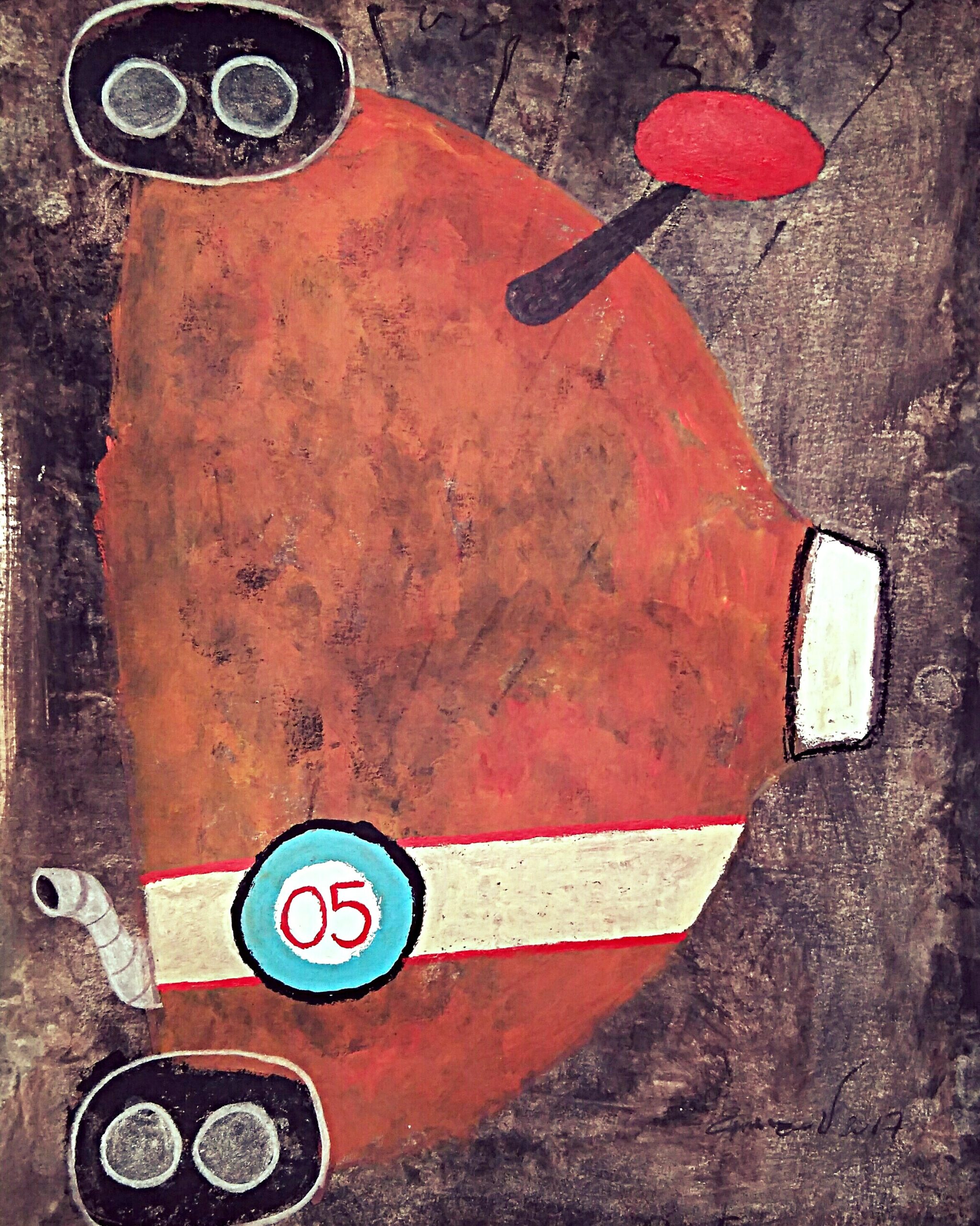
Heroic machine
- 2017
- 40 cm x 30 cm
- Acrylic and oil pastel on carboard
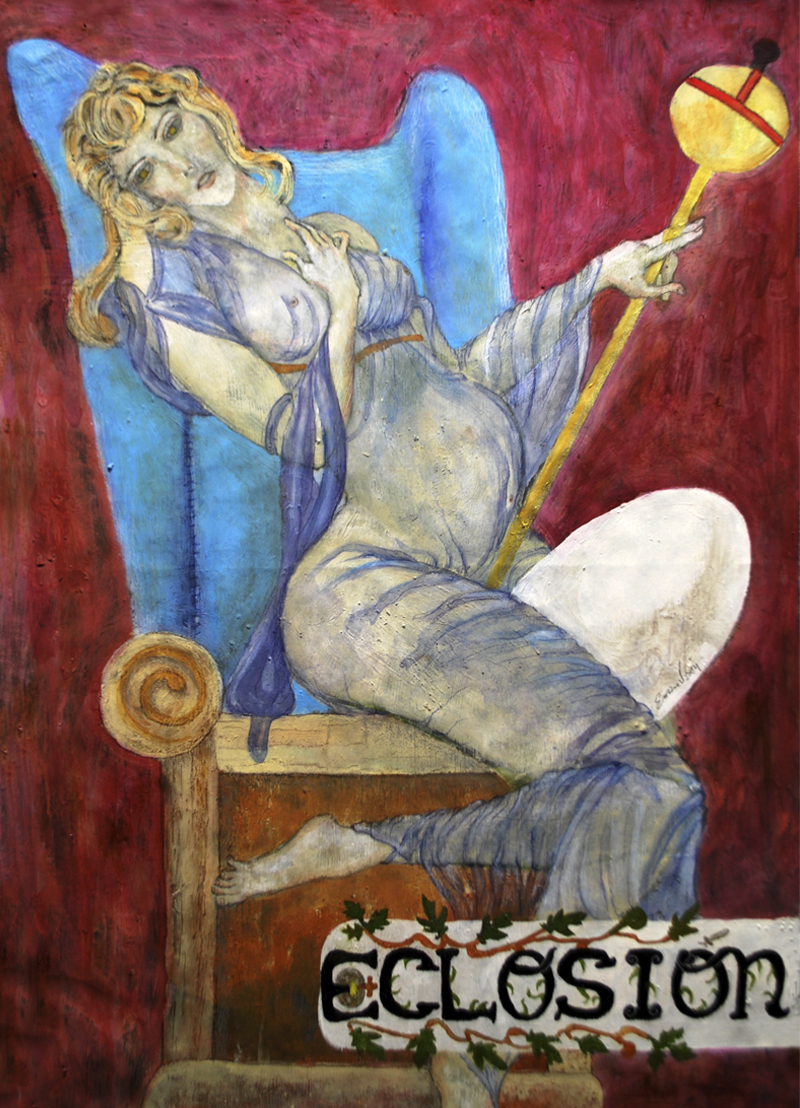
Eclosion
- 2024
- Acrylic and Crayon on compressed paperboard
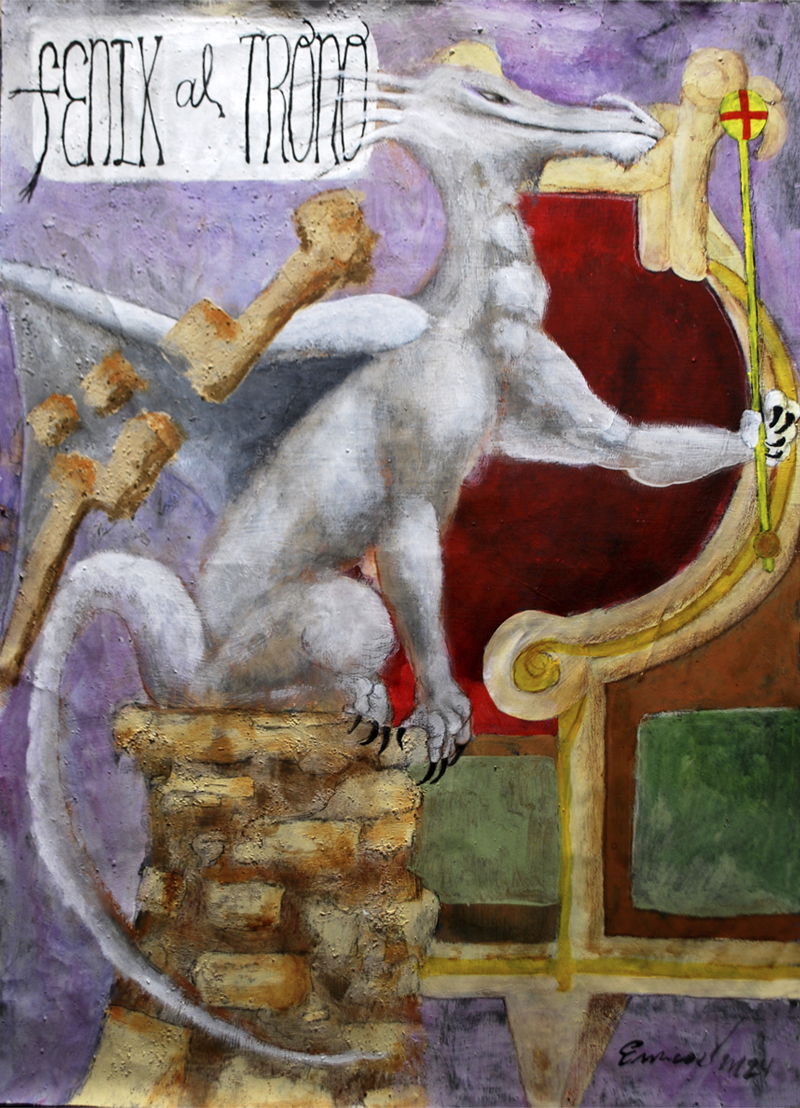
Phoenix to the Throne
- 2024
- 41,5 cm x 57,5 cm
- Acrylic on compressed paperboard