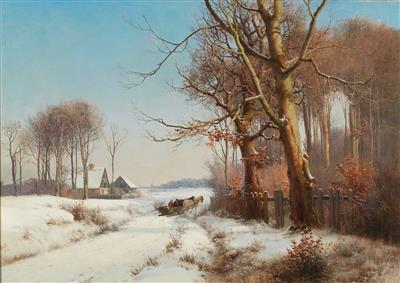
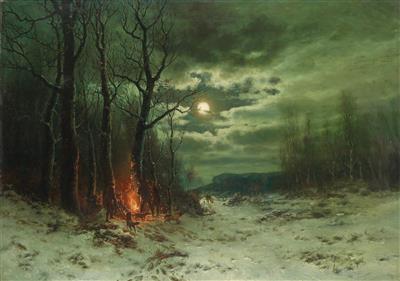
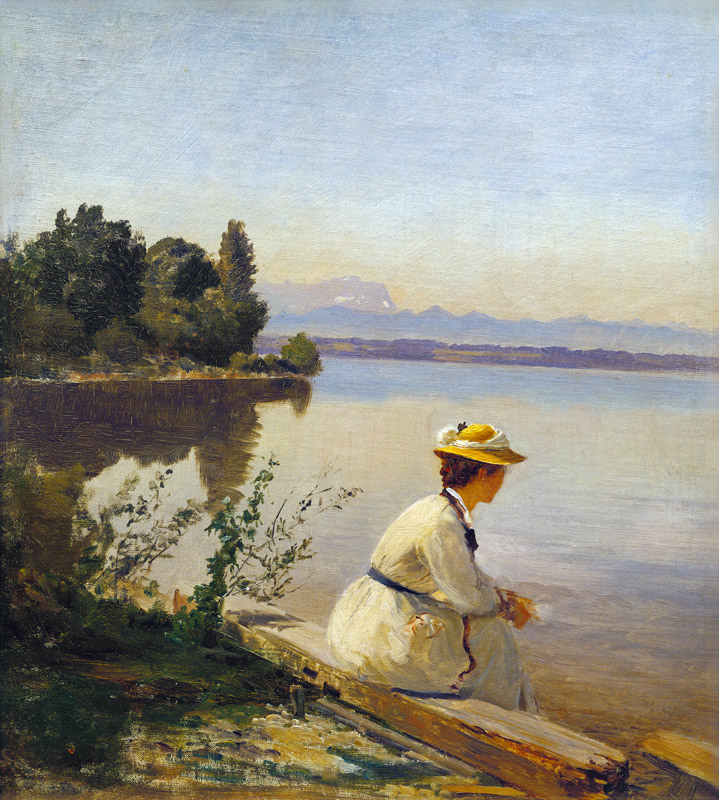
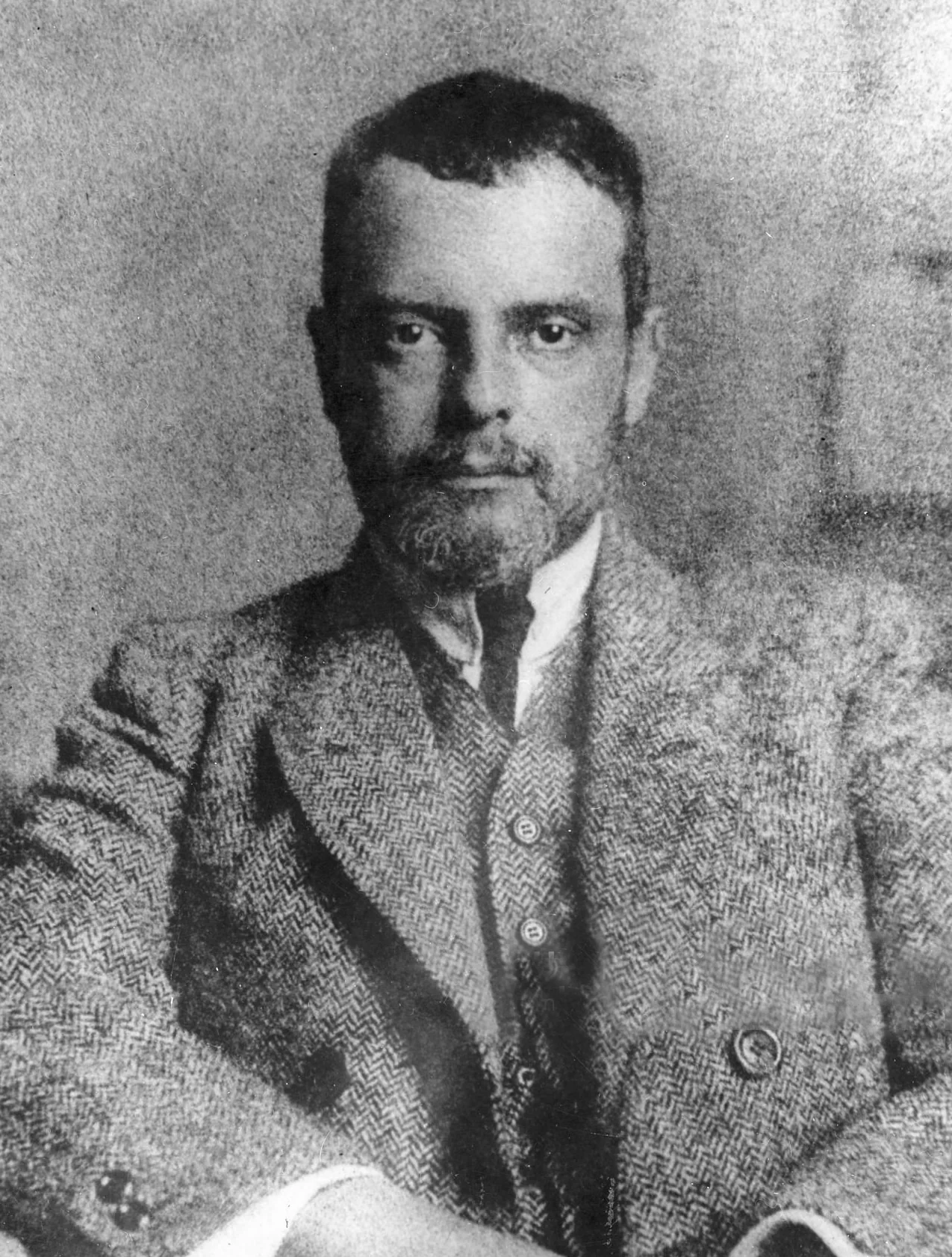
Anders Andersen-Lundby, born in 1840 near Aalborg, Denmark, is regarded as a largely self-taught artist who made a significant mark in the world of landscape painting, particularly through his atmospheric depictions of winter scenes. After moving to Copenhagen in 1861, he began to establish himself in the city’s vibrant artistic community, where he started honing his craft. His early work was influenced by Danish traditions, but it was his relocation to Munich in 1876 that profoundly shaped his artistic career. In Munich, Andersen-Lundby became closely aligned with German painting traditions and quickly gained recognition for his landscapes, especially those capturing the unique beauty of winter. His works often depicted snow-covered scenes, sometimes featuring freshly fallen snow or the thawing process, which became one of his signature motifs. The effect of light on snow, especially during sunset when the peaks of the Alps glow with a reddish hue known as “Alpenglüh,” was a frequent subject in his work, showcasing his skill in capturing subtle atmospheric effects. By 1911, his reputation had grown enough for him to exhibit at the prestigious Munich Glaspalast, cementing his status as a respected artist. He also served as a professor at the Royal Academy of Fine Arts in Munich, contributing to the education of the next generation of artists. Andersen-Lundby’s works found homes in major collections, including the Neue Pinakothek in Munich, the Royal Picture Gallery in Copenhagen, and museums in Aalborg and Trieste, Italy. Throughout his life, Andersen-Lundby remained captivated by the serene beauty of winter landscapes, capturing the quiet stillness of snowy scenes with remarkable precision. His ability to evoke the atmospheric effects of snow, light, and weather made him particularly beloved for his depictions of the northern European winter. Though he was not as widely known as some of his contemporaries, his work remains appreciated for its technical mastery and evocative mood, continuing to be held in public collections to this day. He passed away in 1923, leaving behind a legacy of serene, luminous landscapes that remain a testament to his sensitivity to the natural world.