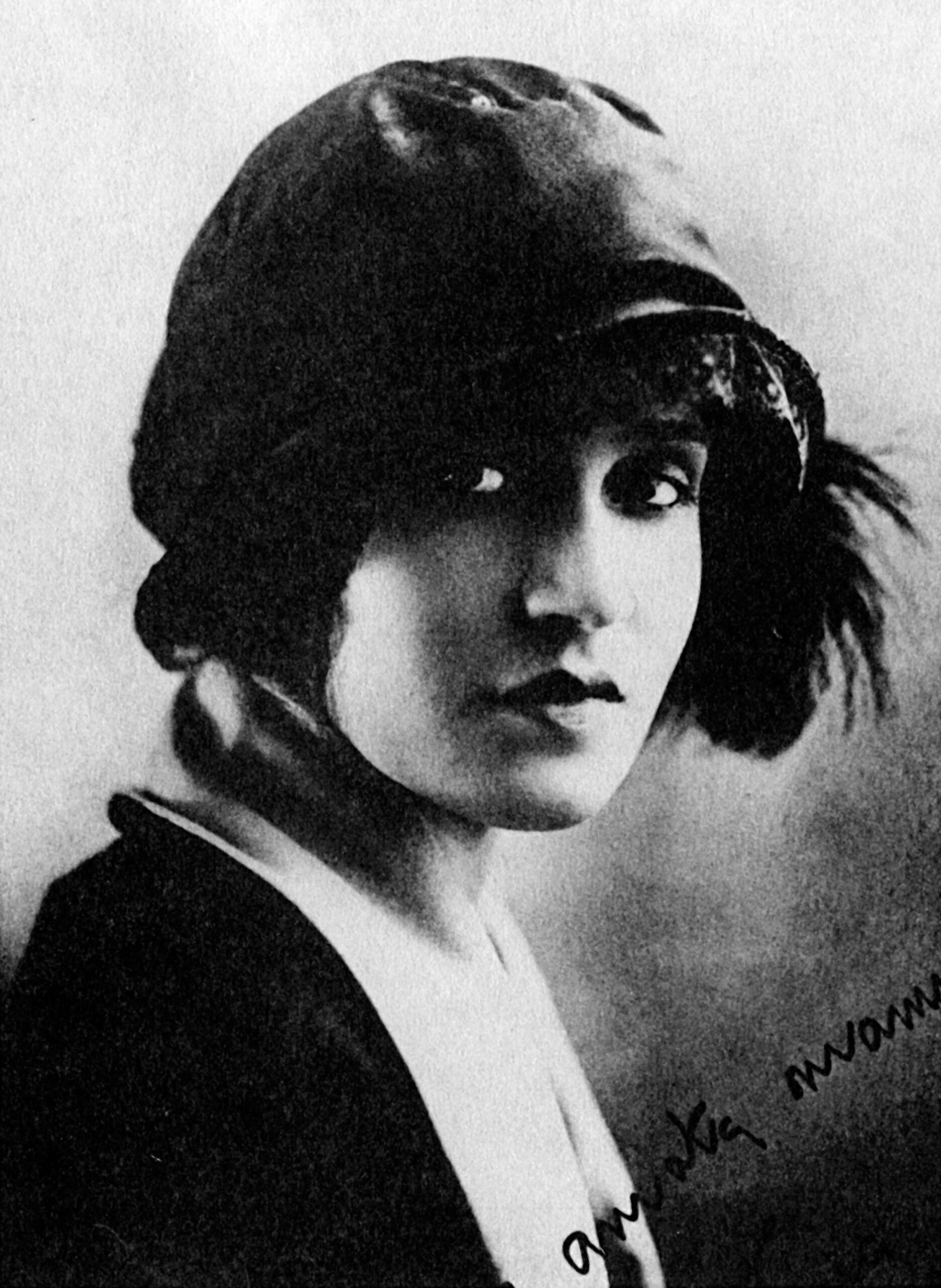
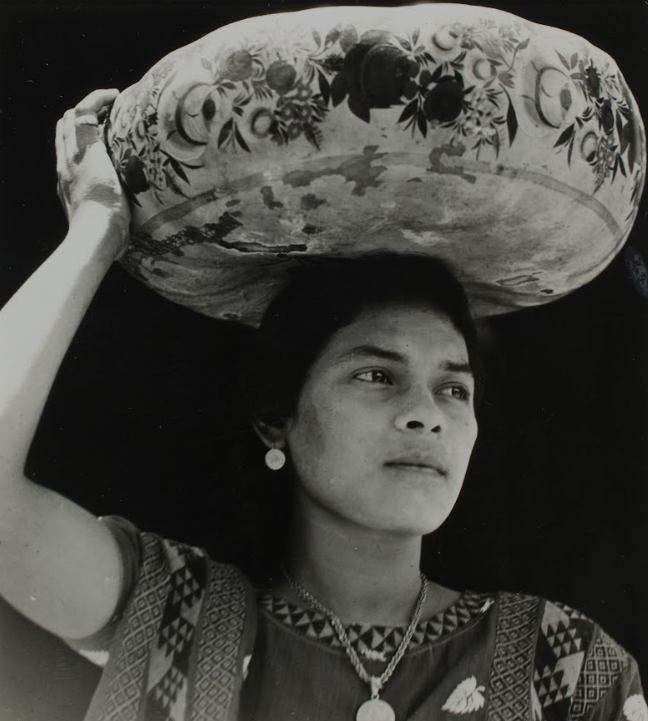
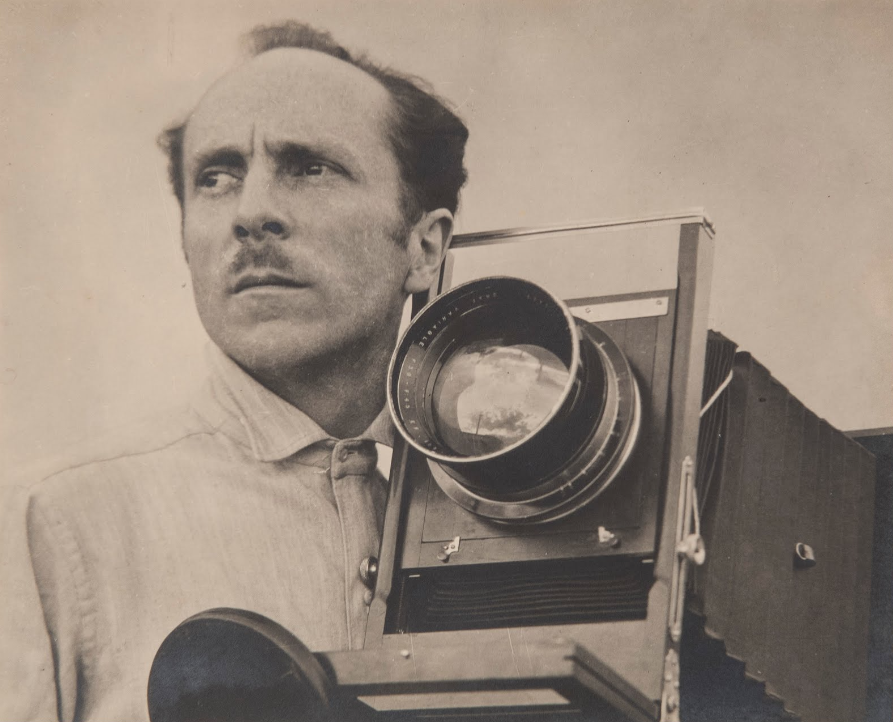
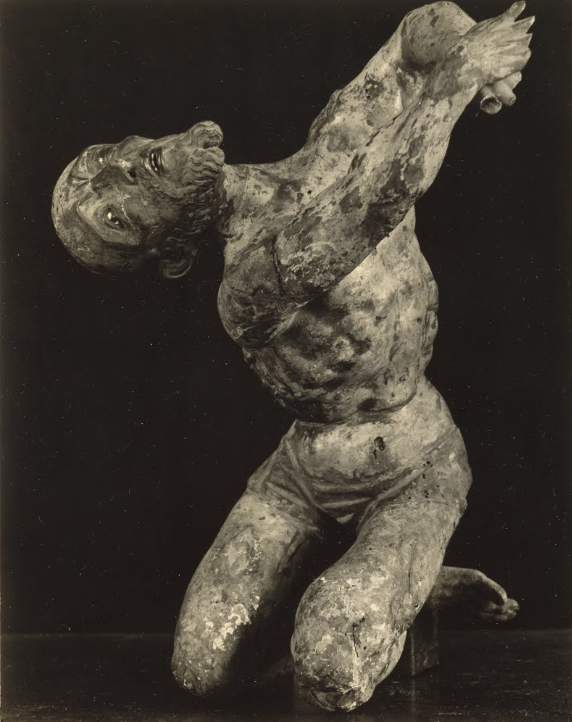
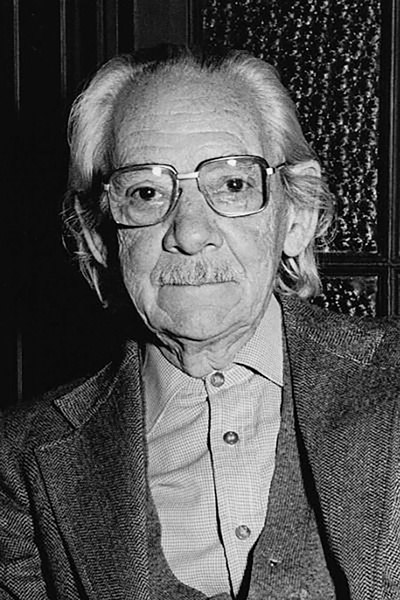
Tina Modotti was a remarkable figure whose life and work were deeply intertwined with both her artistic passion and her political commitment. Her name is closely associated with Edward Weston, who not only made her a world-famous photographer but also became her muse, lover, and artistic partner. Her life journey took her from Udine to Los Angeles, San Francisco, Mexico City, Spain, and Russia, where art and politics continuously shaped her choices and experiences. Born in 1896 in Udine, Italy, Tina grew up in a working-class family. After briefly living in Austria, her family returned to Udine, where financial difficulties forced her to work from a young age. It was her uncle, a photographer, who introduced her to the world of photography, and under his guidance, she began to develop her skills. At 16, Tina emigrated to the United States, following her father, who had gone there in search of work. In San Francisco, she initially worked in a textile factory, but soon became involved in cinema, though she left the industry when she felt her body was objectified rather than being appreciated for her talent. Through her marriage to the artist Robo, Tina met Edward Weston, and their professional relationship quickly turned into a romantic one. After her marital betrayal, Tina moved to Mexico, where she experienced a significant artistic and political transformation. There, along with Weston, she began taking photographs that captured the daily lives of workers and the poor, infused with a strong sense of social and political commitment. Her work was notable for its focus on the dignity of labor and the lives of peasants, reflecting her communist beliefs. In Mexico, Tina became a central figure in the artistic and political scene, interacting with personalities such as Diego Rivera, Frida Kahlo, and Pablo Neruda. Her photography reflected a deeply human perspective on reality, and in 1929, one of her exhibitions was considered one of the first expressions of revolutionary art in the country. However, her career was abruptly interrupted when her political activities led to her expulsion from Mexico. She moved to Russia, where she worked for the Soviet secret police, participating in missions across Europe. In Spain, during the Civil War, she stood alongside her companion, Vittorio Vidali, with whom she shared both political and personal ties. Tina’s life became increasingly complicated by her involvement in clandestine activities and political struggles. It is speculated that she may have been involved in the assassination of Leon Trotsky, given her close relationship with Vidali, but the circumstances surrounding her death on January 5, 1942, in Mexico City remain shrouded in mystery. Officially, it is believed that she died of a heart attack while returning home from a dinner with friends. However, some theorize that she was murdered, possibly by Vidali, due to what she may have known about his political actions. Her legacy is preserved in her tomb in Mexico City, where part of an epitaph written for her by Pablo Neruda is engraved. Tina Modotti’s life, marked by constant change and deep political and artistic commitment, left an indelible mark on photography and the political history of her time.