Roberto Pestarino
Biography and criticism
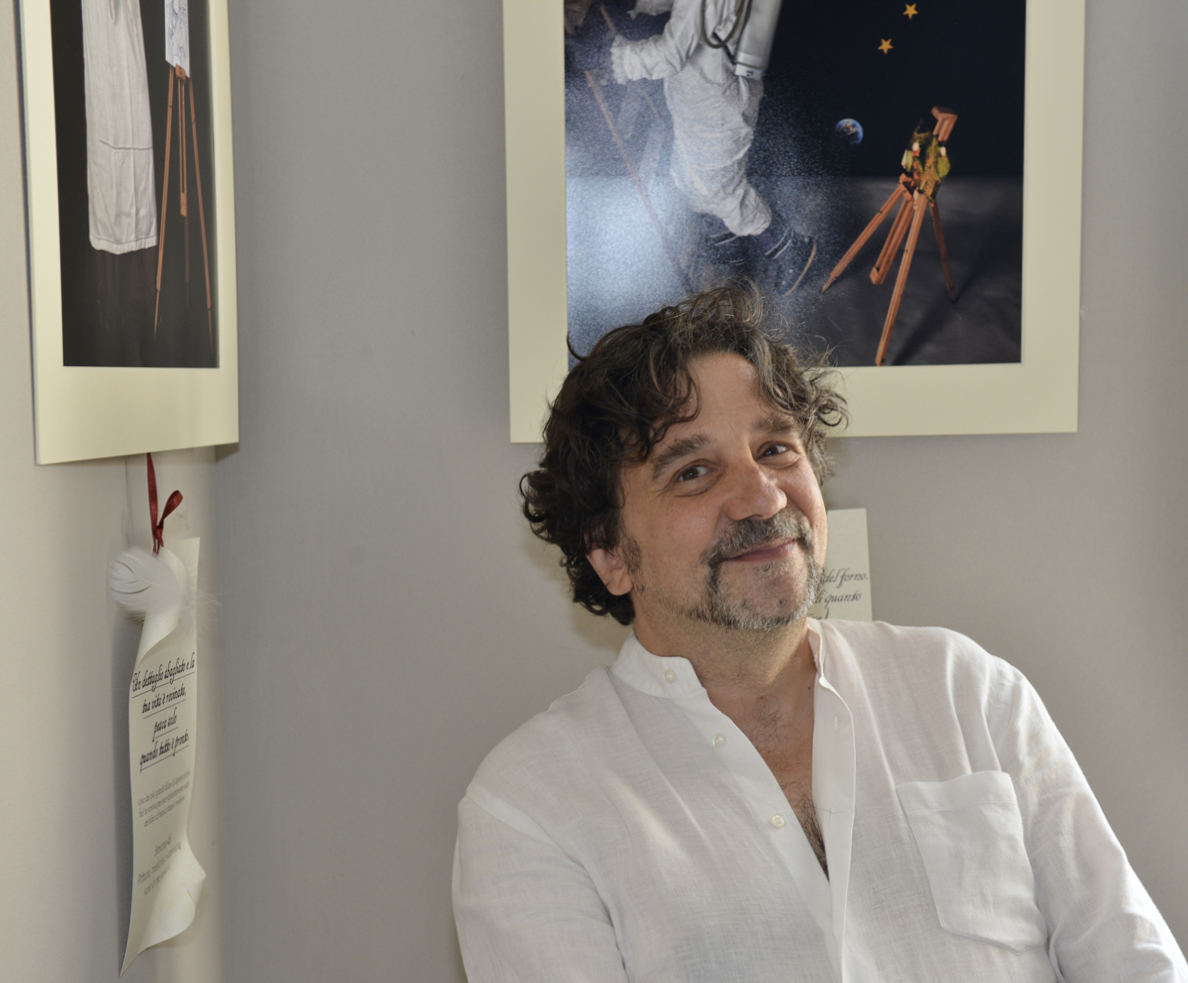
Pestarino Roberto was born on 6 November 1966 in Alessandria, he has been living in the countryside for 20 years and has no television. . He began to take an interest in photography in 2010 and in 2011 began to develop thematic research. In 2012, his first successes with architectural photographs: 3 mentions at the I.P.A. anniversary and a photo accepted into the archives of the National Library of France. He became interested in many subjects without being able to focus on a defined path, even going through black and white. The turning point came when he developed the project of mannequins in shops. A large series of photographs where the mannequin at night finds a new appearance in the shop window lights and the face becomes humanised with expressions never thought of for an amorphous face. Finding in colour with low brightness and high contrasts a valid way of expression, he also adopts it in other fields, including studio photographs, and light reflections on buildings. He also devotes himself to complaint photography, both about the human condition and the environment in which we live. The photography of Roberto Pestarino is an act of conscious direction, a careful orchestration, and a well-defined, albeit perfectible, enigmatic model. His art is not merely a visual representation; it is a release of communications that are intimately beneficial to collective formation. While there is a subtle documentary trace reminiscent of reportage, each shot is a profound reflection on reality, an investigation that extends well beyond superficial appearances. The first photograph, in particular, emerges as pure, detached from the musicality of contrasts, which will later appear in softer, more subtle tonalities, mainly in the mid to high range. His images are composed with harmonic chiaroscuro, minimalist and harmonious, rendered with a technique that feels almost instantaneous. Once the subjects are crystallized, Pestarino deliberately chooses the chromatic hues to assign, alternating between brown and luminous tones, depending on the concept he wishes to convey as well as the aesthetic intent. This approach evokes the observation of brushstrokes in a painted canvas, where instinctive points of origin and transformations emerge, repeated within his worldview, which is firmly materialistic yet rich in visceral intuition. One of Pestarino’s favored realms is urban art, which he captures with a minimalist post-processing intervention. He refuses to substantially manipulate the image, instead preferring to sublimate its pre-existing, natural character. This approach is not only aesthetic but also philosophical: Pestarino often explores the metaphysical terrain, seeking the truth that shapes the pillars of the real world. With a fervent familiarity, he engages with a form of conceptual photography, though, at times, he acts as a creator shaping his images, always in evolution, even in their apparent simplicity. In his work, the artist frequently employs mannequins, puppets, and other “passive beings,” elements that evoke a microcosm reminiscent of metaphysical atmospheres, recalling the tradition of Giorgio De Chirico. Pestarino’s expression aims not just to represent the objective but to capture what is preordained from the human perspective, not necessarily adhering to any one univocal conceptualism. When the photographer does not find a precise place for his work, he amplifies the conceptual expression, and this is when he “throws away” complex tools, rediscovering a purer, more immediate intuition. The titles of his works, sometimes curious, serve as provocations, challenging the viewer or the artist himself to search for deeper meaning. Although his images may appear simple at first glance, they are, in reality, emblematic: their true nature is only revealed through careful scrutiny, inviting the observer to decipher their content. His compositions, though minimalist, are rich with significance and never fall into banality. Each shot seems to hold a secret, a narrative hidden behind a color scheme that initially appears straightforward. His approach, far from resorting to easy solutions, leads to profound reflection, pushing both himself and the viewer to contemplate the spontaneity that escapes immediate understanding. Pestarino follows an Italian chromatic tradition characterized by a preference for bicolor schemes and warm, brownish and golden tones. This connection to the aesthetic of early Italian art is not merely an homage but a means of imbuing his works with a distinctive sense of temporality and depth. Through seemingly simple but always precise color choices, he evokes both surreal and intimate atmospheres, blending reality and fantasy in a visual narrative that challenges conventions. Pestarino seeks to imbue his photographs with three dimensions. The first, aesthetic, is based on the harmony of compositions. The second, conceptual, consists of attributing meaning to elements that might otherwise seem insignificant, framing and focusing them in such a way as to give them communicative intent. The third dimension is indeed conceptual, but concealed behind the silence of the titles, it reveals itself as an enigmatic, cryptic nuance. His mastery in working with color, through a meticulous selection of tones and subjects, makes his photography a complex challenge: not only in terms of technique but also in attempting to express a three-dimensionality of emotion through a rich, varied color palette, particularly leaning toward gold and yellow. These tones, inherently linked to light, serve as instruments to capture the artist’s forward-looking attitude. This chromatic choice serves as a visual declaration of his ongoing commitment to creation, a tangible sign of his optimism, which resists adherence to neoclassicism, a movement he perceives as artistically distinct from his own approach. Finally, his works are not merely acts of representation but invitations to look beyond the surface: to penetrate the meaning that lies hidden behind each shot, exploring humanity, reality, and metaphysics, with a passion that never ceases to evolve.
Category of affiliation
- Photograph
Quotations
The highest market valuation achieved is €1200
Artworks
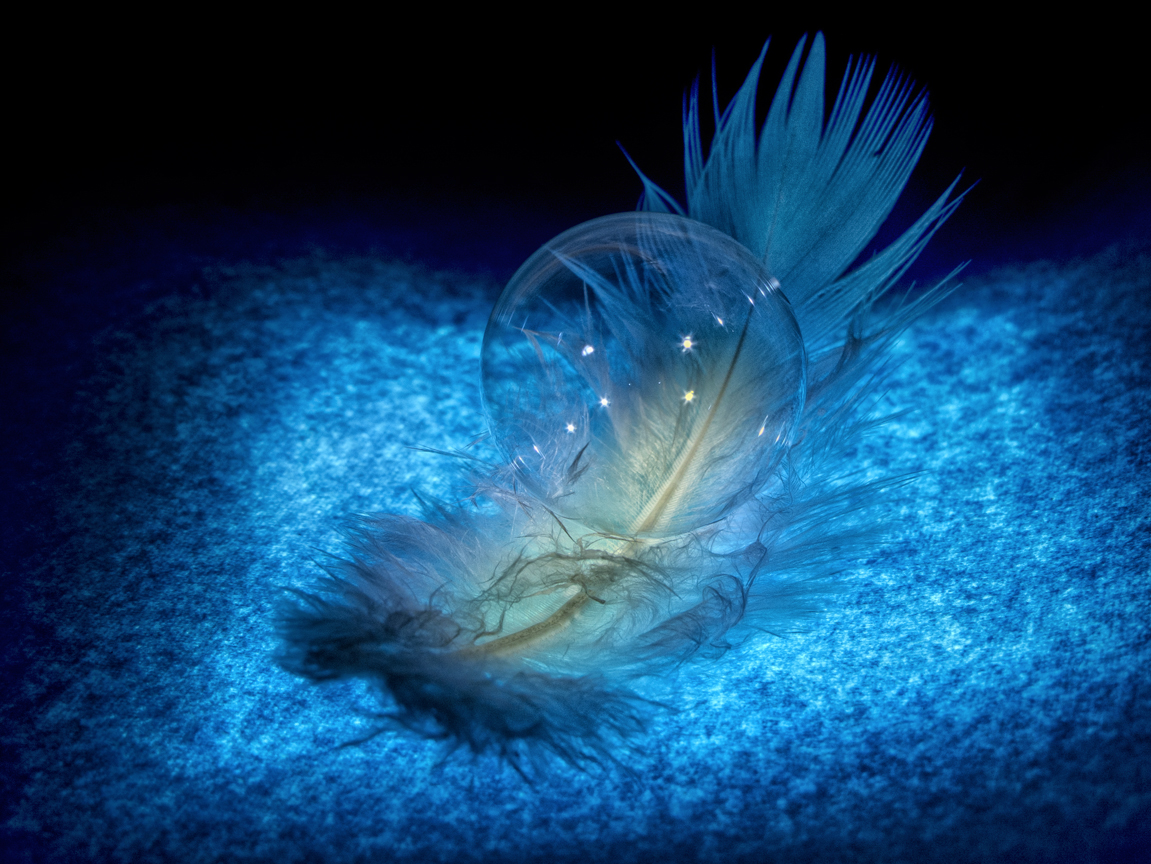
What we eat
- 2019
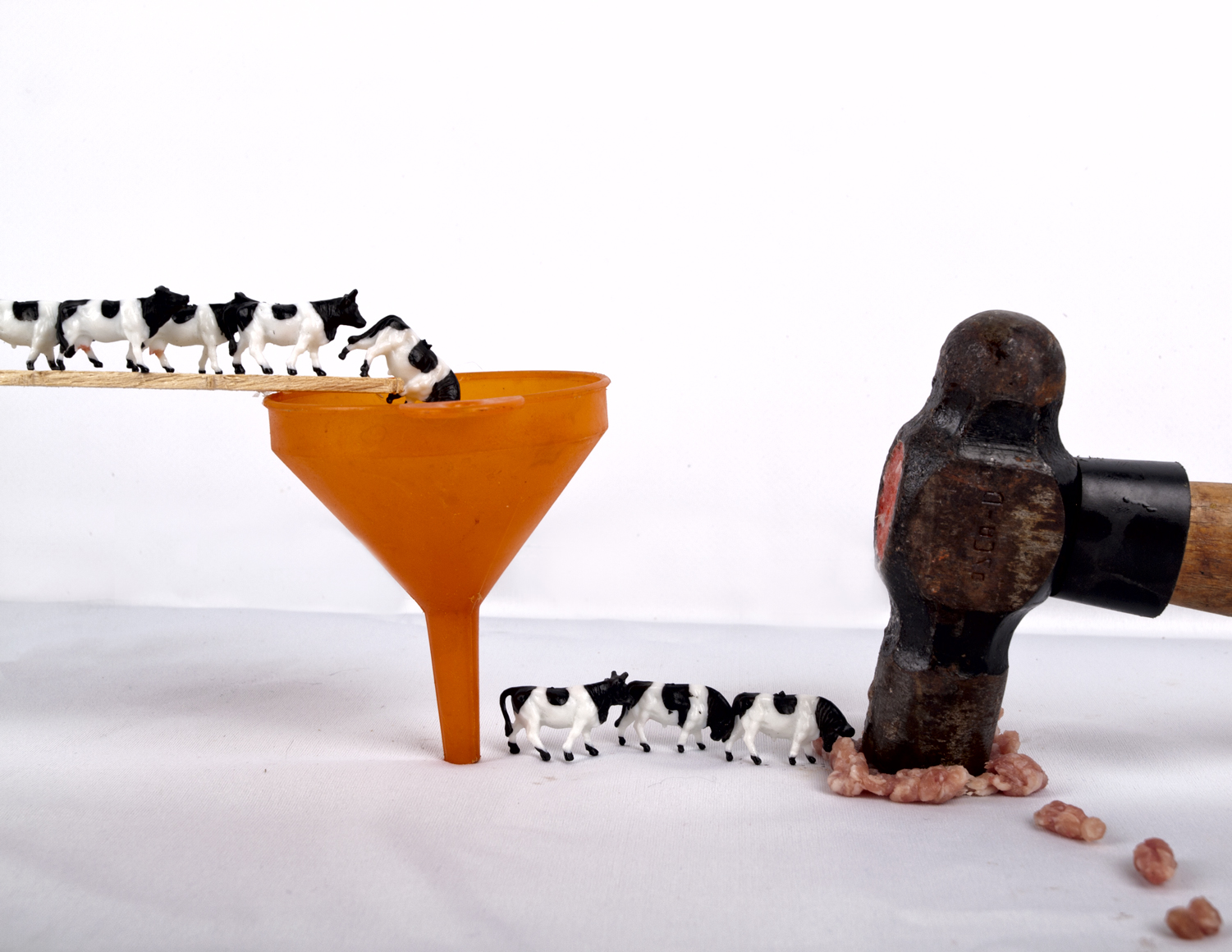
Sof
- 2014
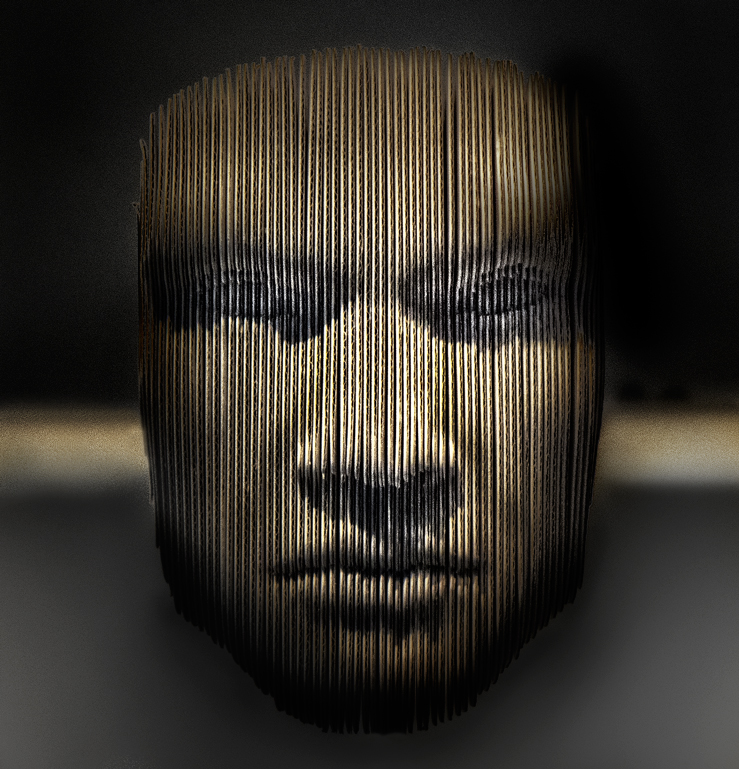
Look at me
- 2012