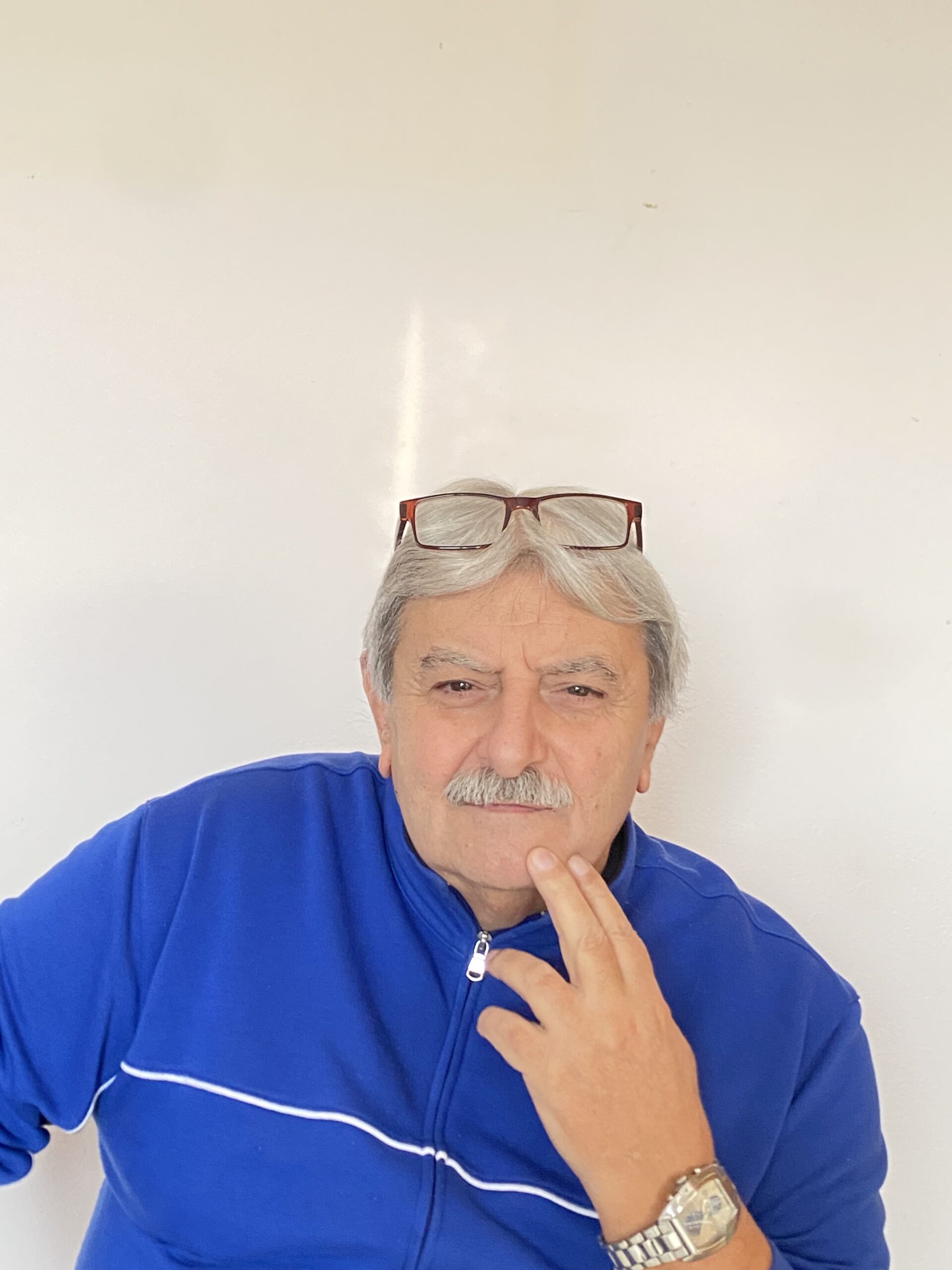
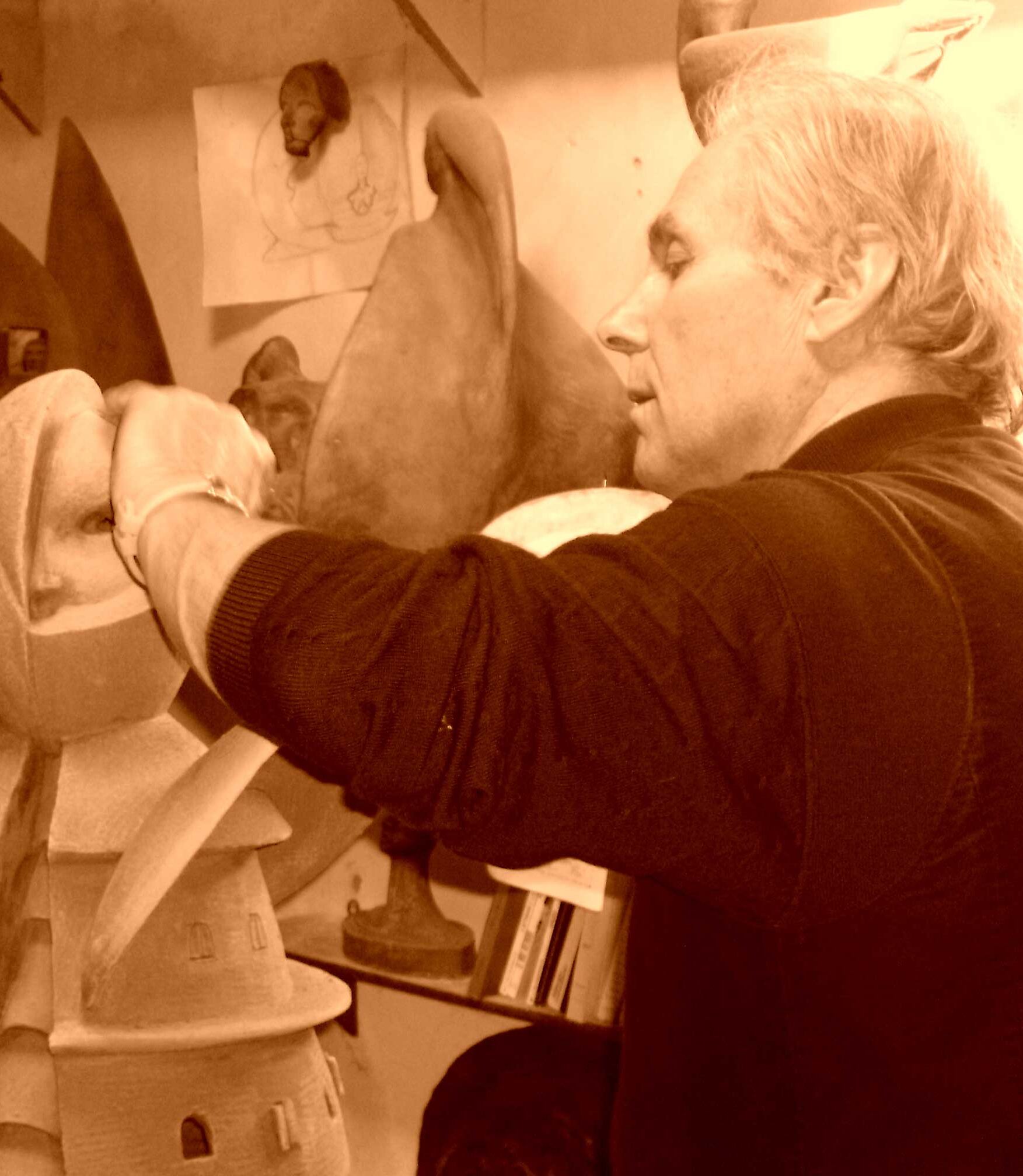
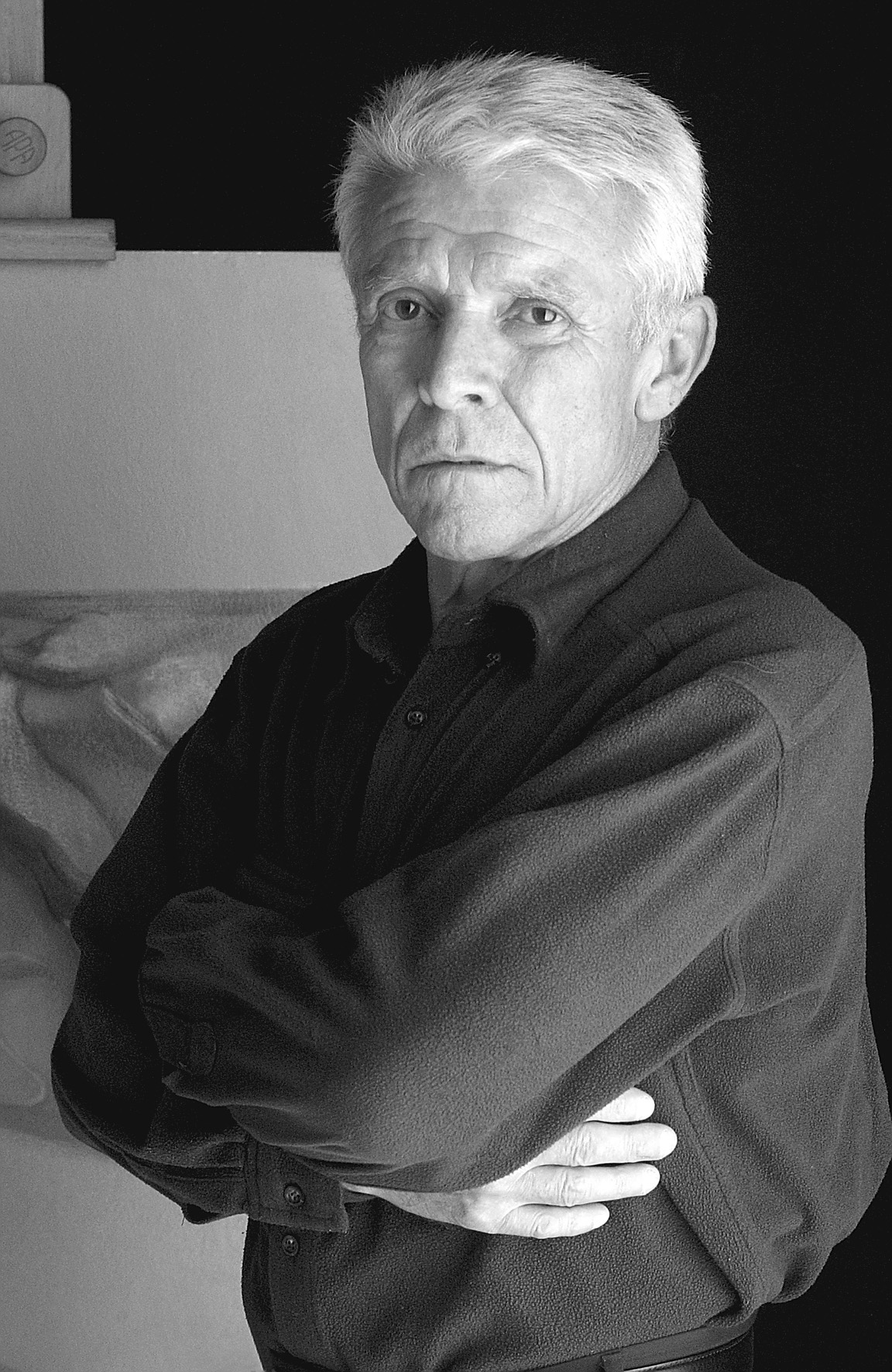
Lucio Brugliera
Biography and criticism
Lucio Brugliera was born in Milan on 05.02.37. A pupil of Bruno Zoni, he graduated from the P. Toschi Art Institute in Parma. From the 50s to the 70s he carried out a purely figurative pictorial research, reaching the informal from the 80s until 2012. He participated in various personal and collective art exhibitions of a national and international nature. In 1960 he exhibited 3 works together with 10 young painters, inaugurating the Sant’Andrea Gallery in Parma. In 1962 he participated in a collective “1st painting competition” promoted by the provincial administration of Parma on the theme “The valleys of Parma”. First solo exhibition at Palazzo Carmi 1968; Giordani Gallery 1978; collective Palazzo Ducale di Colorno 1981; La Soffitta Gallery Salsomaggiore 1982; collective homage to San Francesco Department of Culture of the Municipality of Parma 1982; La Meridiana Gallery in Piacenza 1983; Palazzo Dalla Rosa Prati 1985; Salsomaggiore Congress Palace 1986; Biennial of Contemporary Art Florence 1997; Municipal Gallery of Parma 2002; group exhibition for the Municipality of Collecchio at Villa Soragna with 6 works by Verdi on the occasion of the Verdi Festival 2010; exhibition of the portraits of the Bishops of Fidenza, Via Crucis and Blessing Christ, donated to the parish of San Francesco di Fidenza, where it can be admired to the left of the altar of the Church itself 2008; personal exhibition with 30 portraits at Palazzo Rosa Prati Gallery 2010. Personal exhibitions in 2002 and 2012 at the Palazzo Rosa Prati Gallery in Parma. His works are found in private collections in Italy and abroad: USA, South America, Slovenia, etc. He died in Fidenza on 08.13.2013, he is buried in Borgo Val di Taro PR, where his daughter Cristina lives, cristinabrugliera@gmail.com; Lucio Brugliera stands out as a singular artist whose painting is characterized by intense inner research and a strong stylistic independence. His artistic journey has often been described as a continuous reflection on art and existence, a quest to uncover that “thing” which becomes the driving force of his work. His art has never been the result of momentary impulse but rather of profound meditation, nourished by memory, personal experiences, and a rigorous adherence to the artistic principles that have guided him. His works, often imbued with an enigmatic atmosphere, seem to reflect a tension between light and darkness, the visible and the invisible. The use of light, as noted by critics, plays a central role, creating a poetic synthesis that renders every landscape and figure a metaphor for broader, universal sensations. Brugliera manages to capture nature not only in its exterior aspects but also in its more abstract and metaphysical dimension. This approach, which sometimes flirts with abstraction, does not, however, signify a departure from figuration; on the contrary, the artist always seems anchored to a human imagination that, while evolving, never denies its classical roots. An interesting aspect of his evolution is his exploration of more lyrical and unconventional forms of expression, while still maintaining a connection to the figurative tradition. Portraits, in particular, represent one of the most intriguing aspects of his work: capable of conveying the human nature with surprising intensity, these pieces reveal impeccable technique and rare sensitivity. However, his choice not to frequently exhibit these works is a sign of the discretion that accompanies his entire career, as if Brugliera only wished to present to the public what he feels is truly worthy of being shown, without succumbing to the temptation of following the artistic trends of the moment. This shy and reflective attitude ties into a broader discourse on his art as an expression of an incessant, almost existential quest, one that seeks not consensus but dialogue with himself and his inner world. Lucio Brugliera has never limited himself to merely reproducing reality; rather, he has always sought to delve deep into its most hidden truths, and this tension has made him an artist out of time, capable of navigating decades of changes in the art world without ever losing his authenticity. Ultimately, Lucio Brugliera is an artist who has remained faithful to a constant search, creating works of rare emotional and intellectual intensity. His painting has never been casual or superficial, but always the result of continuous introspection and a fascinating, inexhaustible desire to understand the nature of art and existence itself.
Category of affiliation
- Painting
Technique
Oil paintings
Quotations
The highest market valuation achieved with a painting is €10.000
Critiques received from
Pier Paolo Mendogni, Tiziano Marcheselli, Gianni Cavazzini, Franco Solmi
Artworks
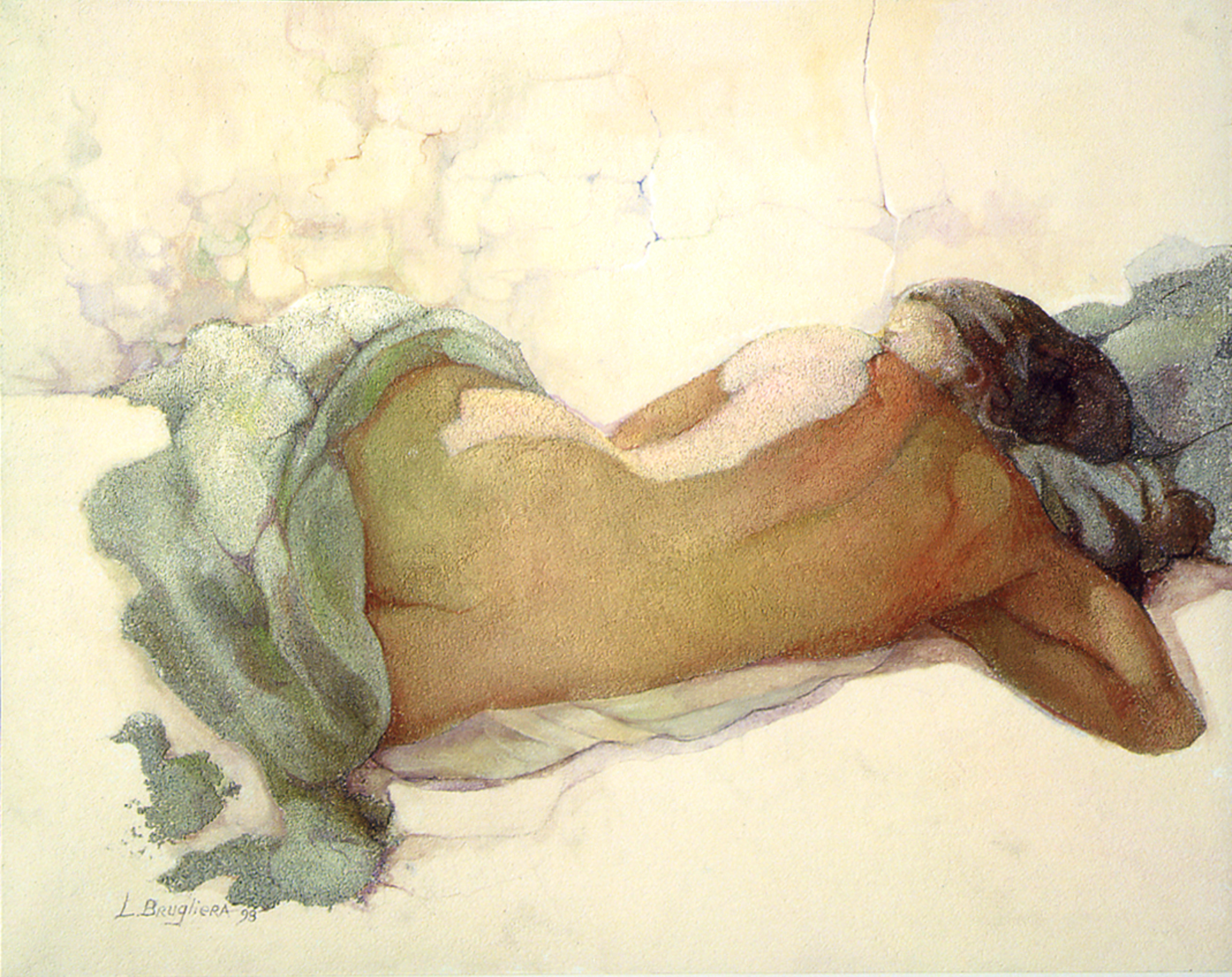
Nudo di donna 3
- Oil on wall
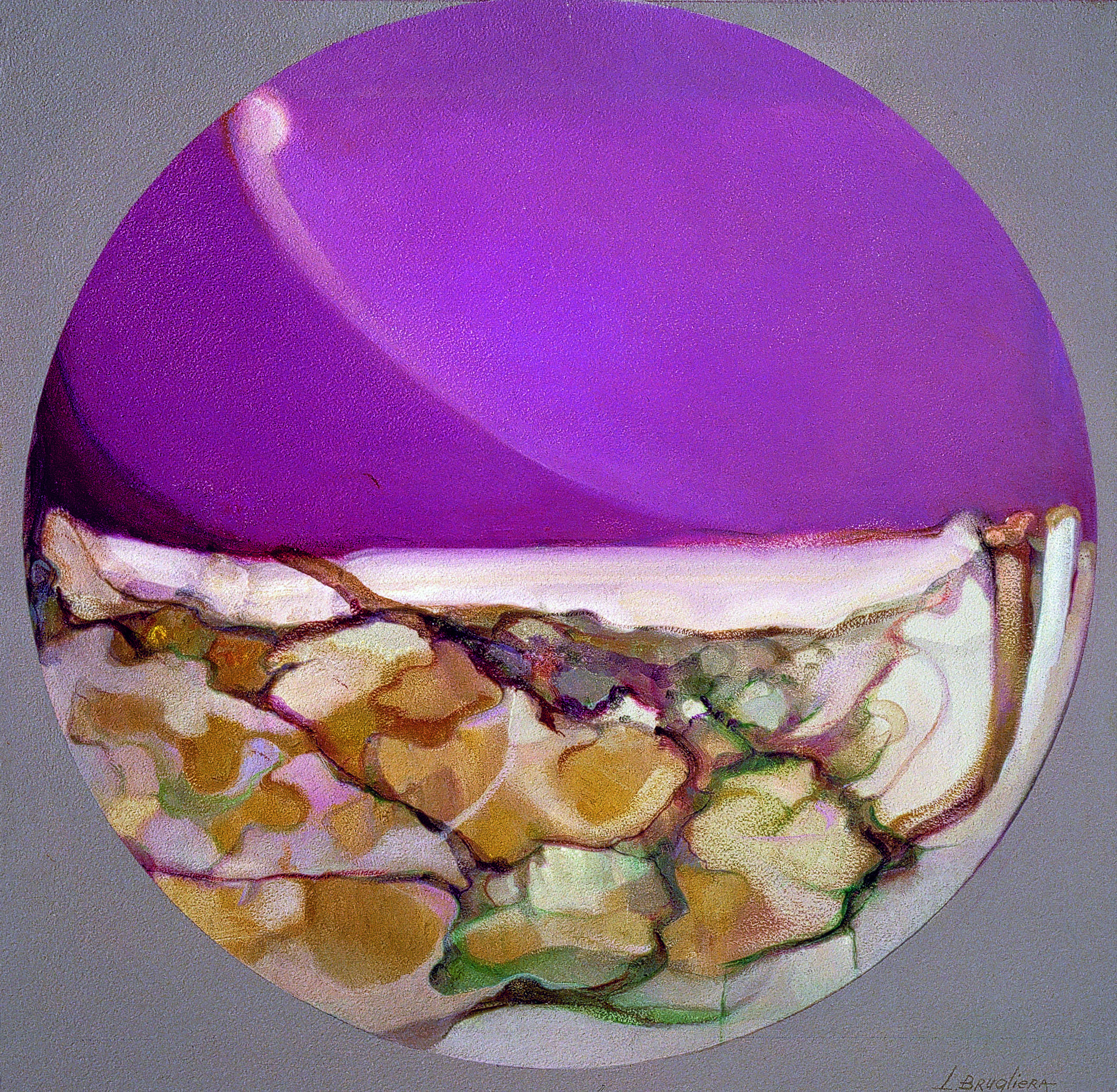
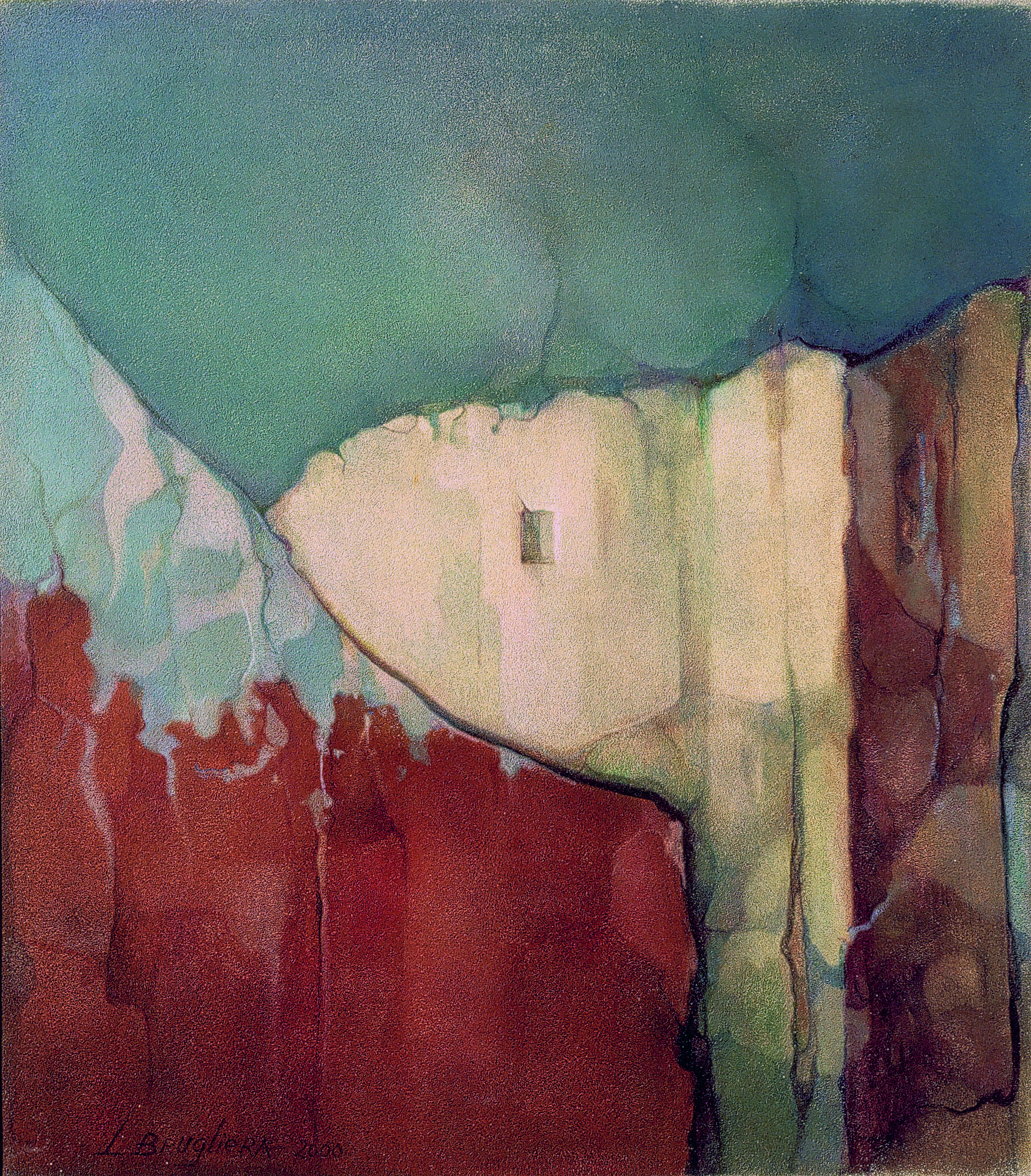
Paesaggio
- 2000
- Oil on canvas
Patmos
- Oil on wall