John Armleder
Biography and criticism
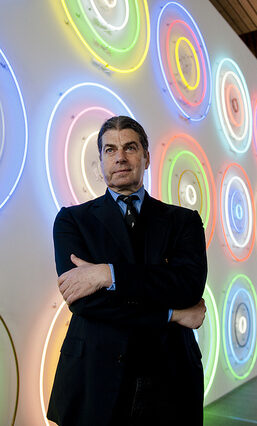
John Michael Armleder was born in 1948 in Geneva, Switzerland, and has become a prominent figure in contemporary art, particularly known for his unique installations and mixed-media works. His early education at the École des Beaux-Arts in Geneva and at the Barry Summer School in Wales helped shape his diverse and innovative artistic practice, which spans performance art, painting, sculpture, and curatorial projects. These formative years laid the foundation for his lifelong exploration of new ways to express art and challenge traditional boundaries. In 1969, Armleder co-founded the Groupe Ecart in Geneva, along with Patrick Lucchini and Claude Rychner. This collective was pivotal in the European art scene during the 1970s and 1980s, introducing artists like Joseph Beuys and Andy Warhol to a new audience. Through their unconventional approach, including experimental performances and publications, the group encouraged artists to explore new artistic avenues and engage with the public in innovative ways. This experience profoundly impacted Armleder’s artistic development and solidified his role in shaping the avant-garde art movement. Armleder’s artistic approach embraces chance and spontaneity, drawing inspiration from movements such as Suprematism, Minimalism, and Neo-Dada. His work often incorporates elements of randomness and experimentation, similar to the practices of John Cage. Known for blending different art forms, Armleder works with a variety of media, including installations, paintings, sculptures, and his distinctive “furniture sculptures,” which combine furniture with abstract or monochrome paintings. This integration of everyday objects with art challenges traditional notions of authority and control in the creative process, inviting the viewer to engage with the art in an interactive way. Armleder’s work often blurs the lines between art and functional objects, creating multimedia installations that encourage viewers to participate in the artistic process. His use of found materials and random elements invites discovery and exploration, which he believes enhances the experience of art. His motto, “My work is neither purely conceptual nor purely formal. It is a combination of the two, with a great deal of randomness and humor,” reflects his belief in the fluid, dynamic nature of art. By the 1990s, Armleder became widely recognized for his “furniture sculptures,” works that juxtapose furniture with painted canvases or abstract imagery. These sculptures are characterized by experimentation and an interplay of abstraction with sculptural elements. His exhibitions, such as “Quicksand 2” at MAMCO in Geneva and various international shows in cities like Milan, Aspen, Shanghai, and Vienna, have cemented his reputation as a leading figure in contemporary art. Armleder’s career includes numerous solo exhibitions and retrospectives, showcasing his diverse approach to art. Notable milestones include his debut at the Venice Biennale in 1986, a large retrospective of his paper works at Kunsthalle Zürich in 2004, and a major exhibition at MAMCO in 2006-2007. His influence was further solidified by exhibitions like the 2013 show at the Dairy Art Centre in London. His connection to the Neo-Geo movement, which emerged in the 1980s and fused minimalism, conceptual art, and pop art, also marked a significant phase in his career. Neo-Geo artists sought to break the boundaries of traditional art by incorporating popular culture and mass-produced imagery, and Armleder’s work, with its combination of high and low art, fit perfectly within this movement. Armleder’s art also reflects his deep consideration of the space in which it is presented. He views the gallery or museum as an integral part of the artwork itself, transforming the space into a part of the viewer’s experience. This approach to exhibitions is indicative of a broader trend in contemporary art, where the presentation of art in institutional spaces plays a crucial role in how it is perceived and experienced. Today, Armleder’s work is part of prestigious collections worldwide, including the Musée cantonal des Beaux-Arts in Lausanne, the Musée Städel, and the Museum of Modern Art (MoMA) in New York. His art continues to be featured in numerous exhibitions globally, affirming his place as a leader in modern art. His involvement with the Fluxus movement in the 1960s and 1970s, which emphasized performance and experimental art, greatly influenced his creative process. However, Armleder has expanded beyond Fluxus, maintaining a fresh and evolving style that transcends any single artistic movement. Armleder’s career exemplifies a blend of diverse influences and a continual pushing of artistic boundaries, ensuring his lasting impact on the world of contemporary art.
Category of affiliation
- Sculpture
Artworks
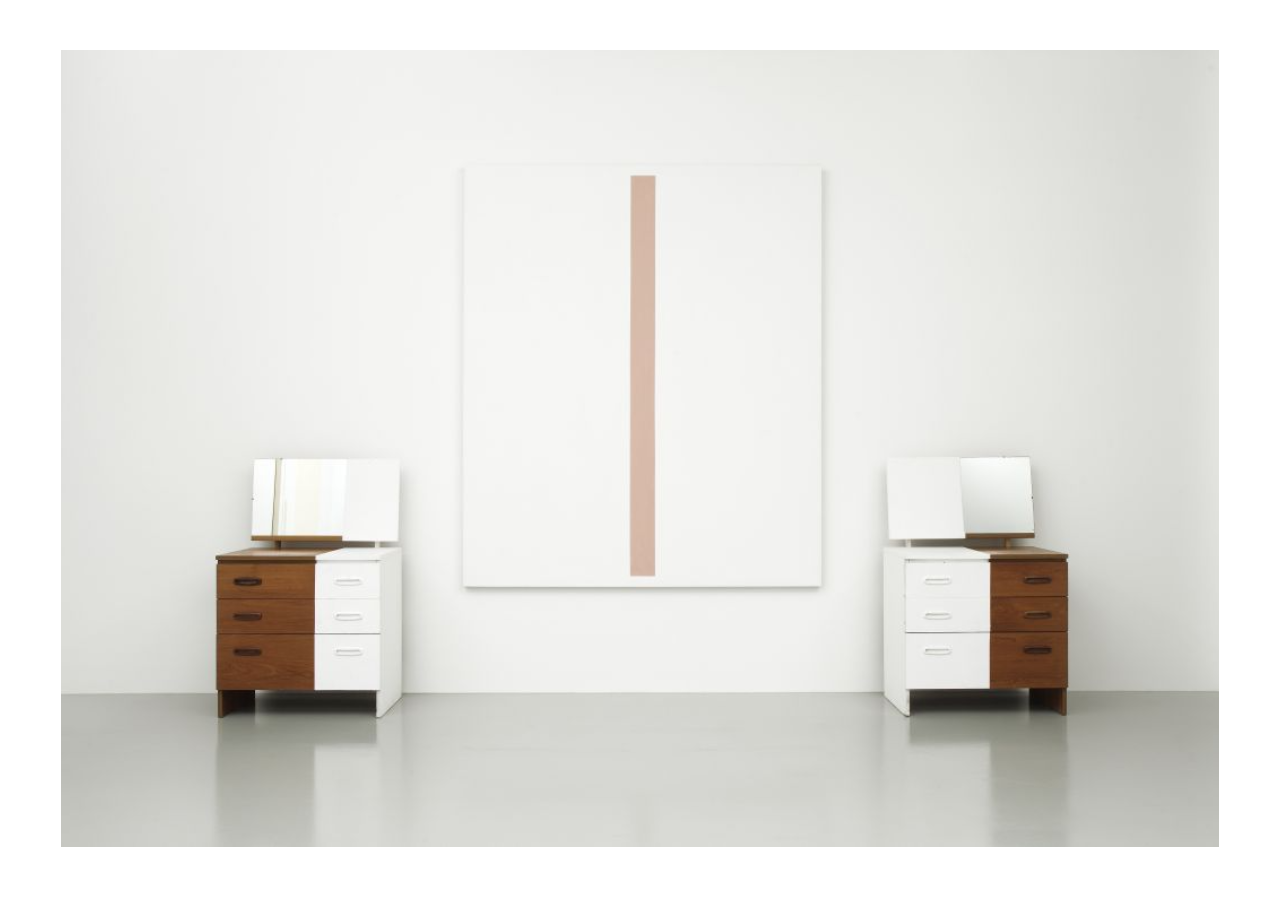
Untitled (Furniture Sculpture)
- 2006
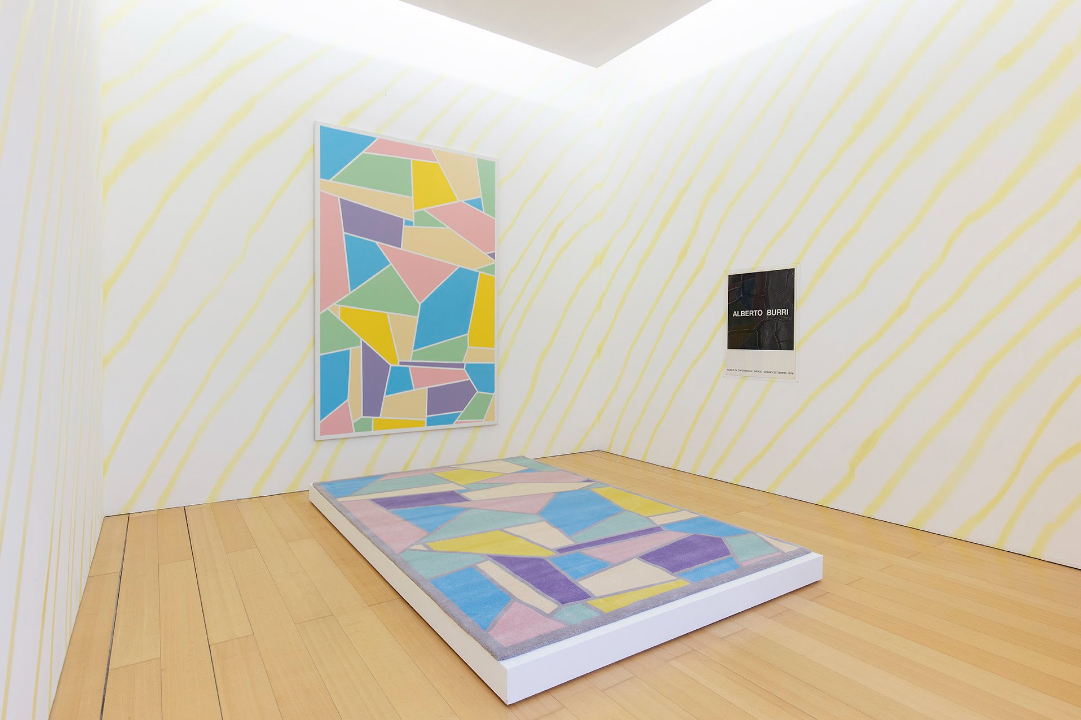
Mosaic Mirror Wall Piece
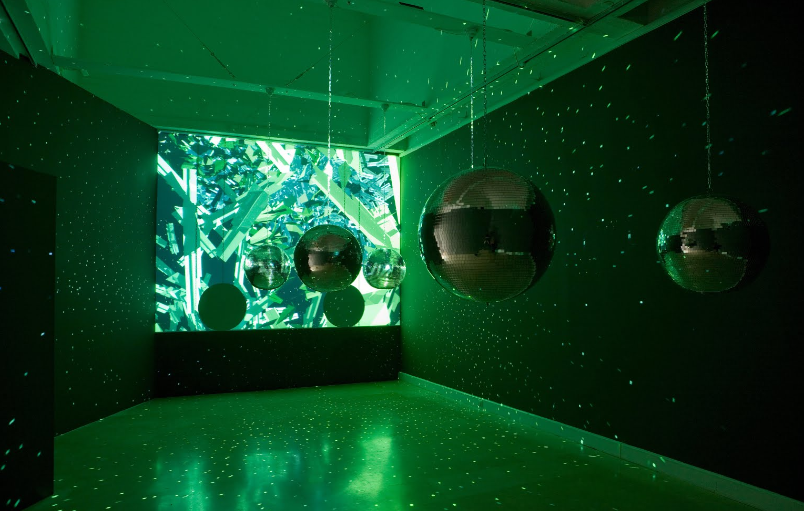
Collective exhibition Trivial Abstract, Villa Arson, February 20 – May 20 2009 (partial view)
- 2009


