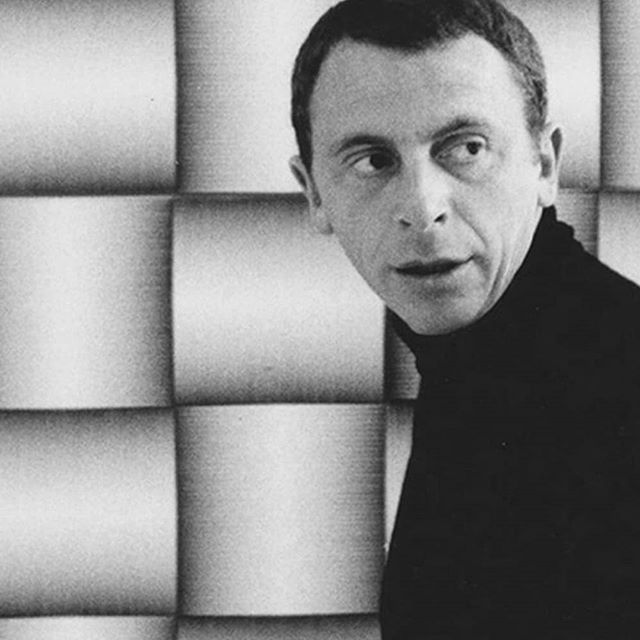
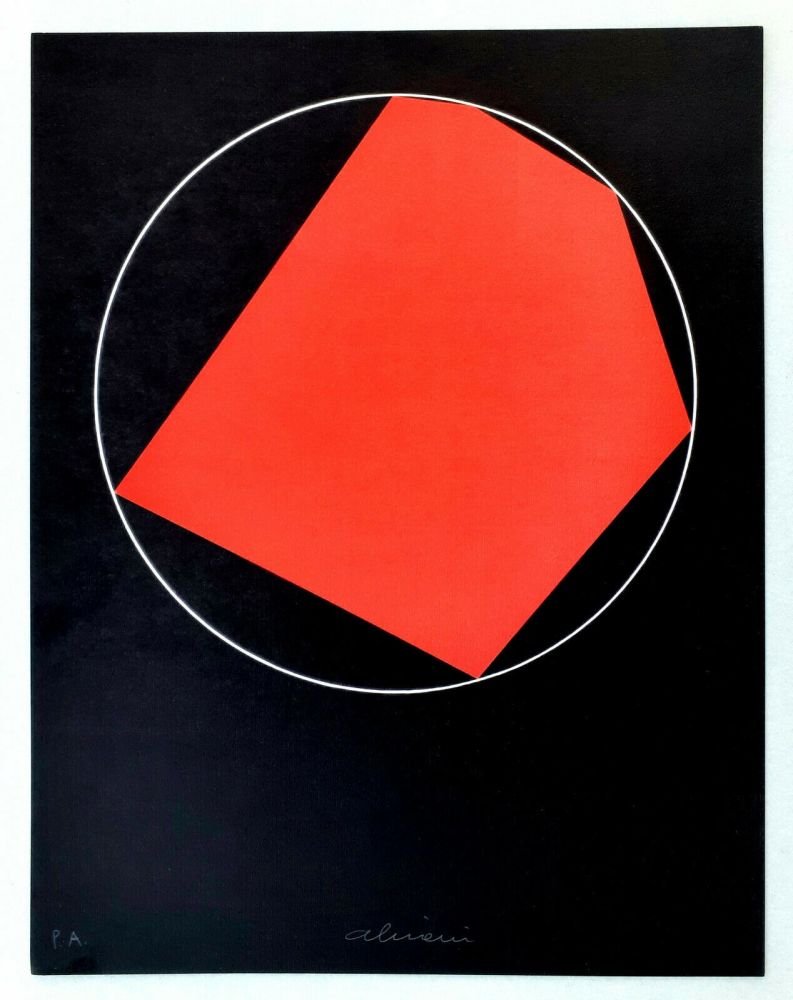
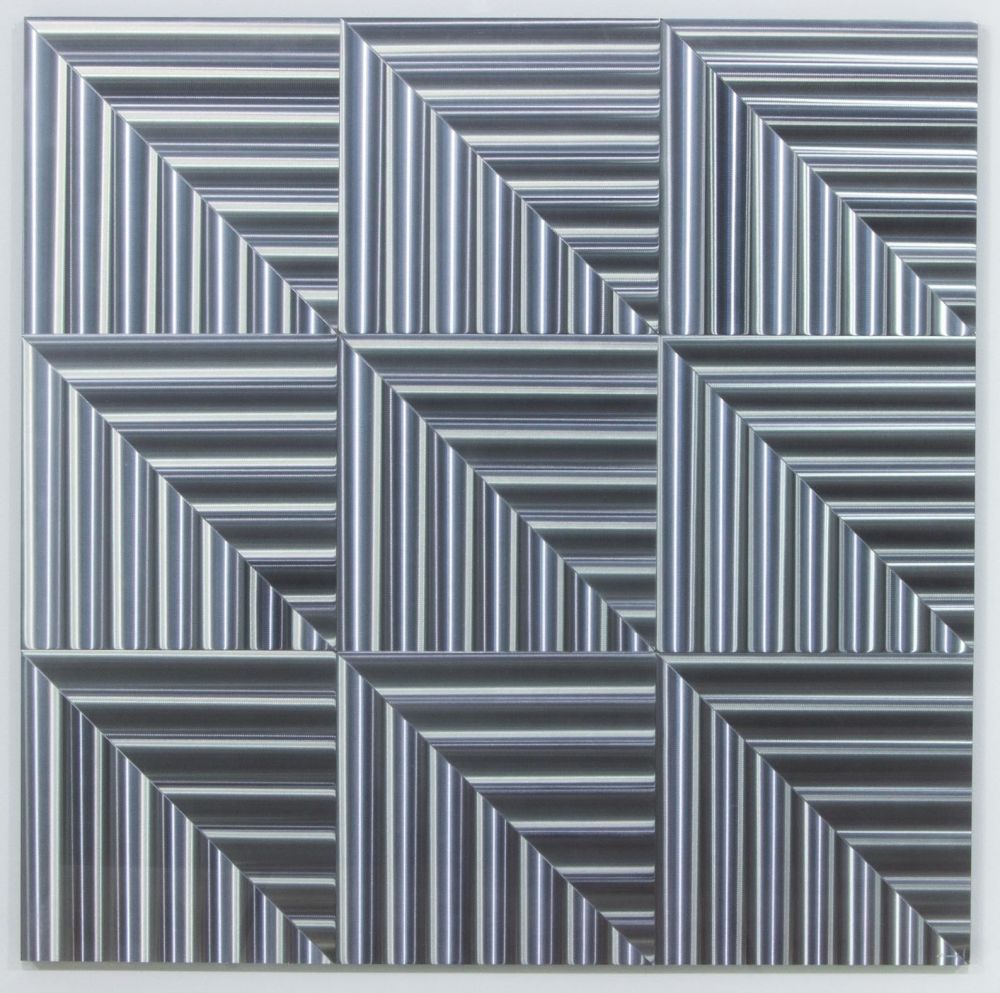
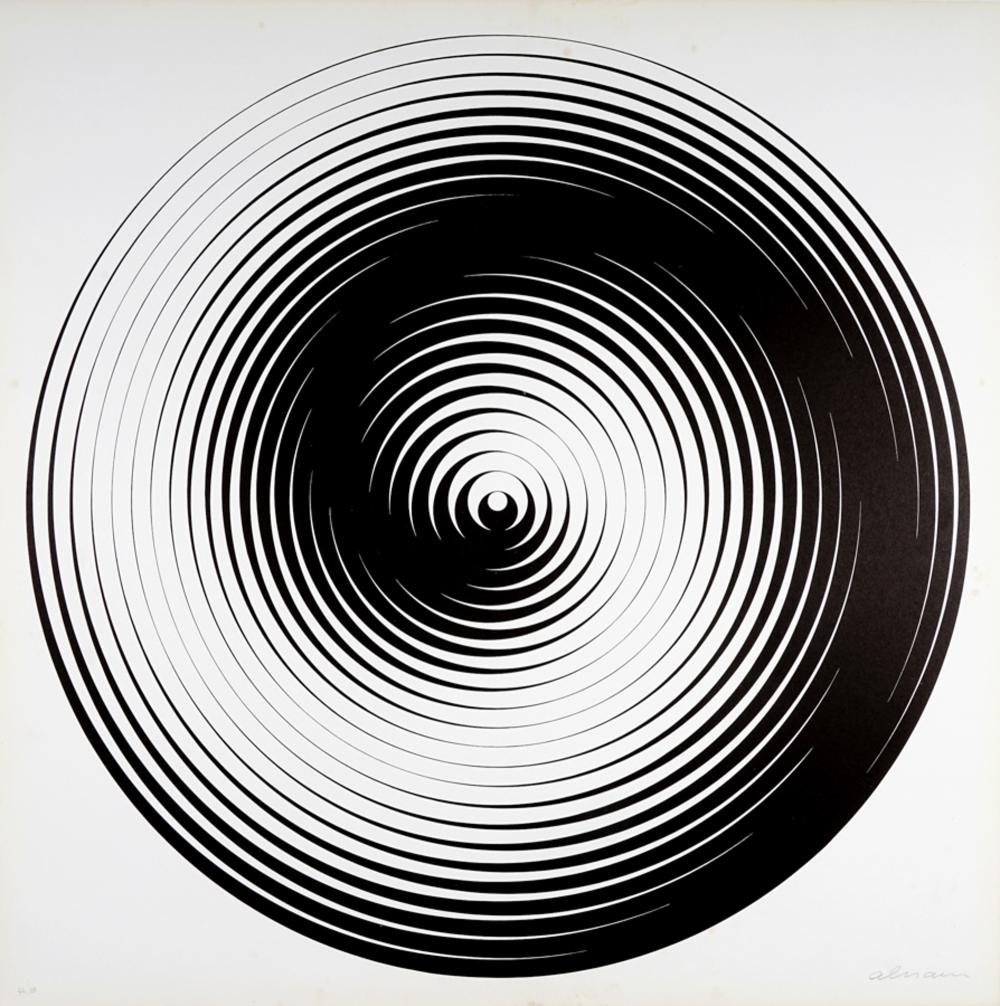
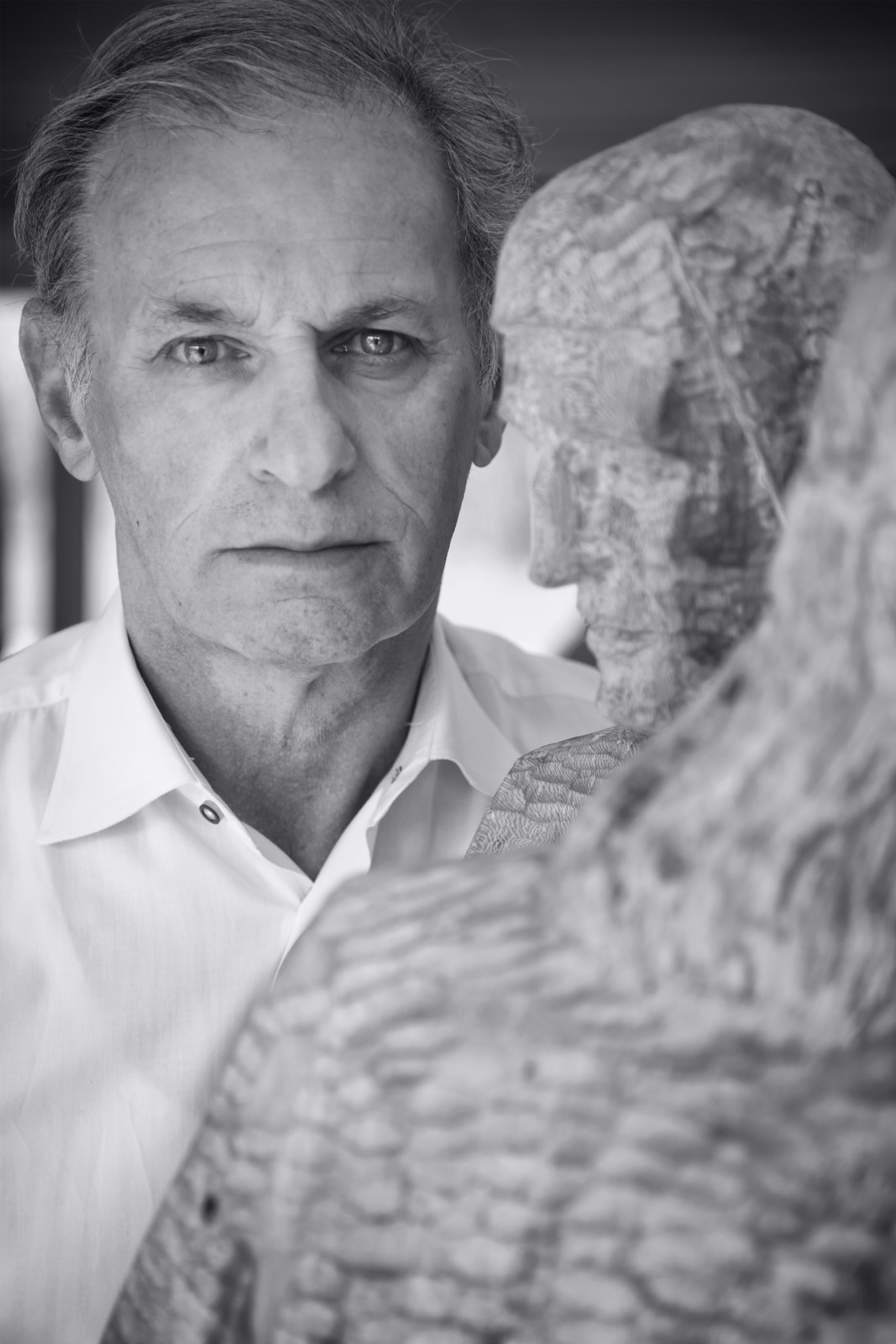
Getulio Alviani (born 1939 in Udine, Italy) was an influential Italian artist and designer, known for his contributions to the kinetic art movement and his exploration of visual perception. His work, which spanned painting, sculpture, and design, focused on the interaction between light, movement, and the observer. Alviani’s artistic journey began after he studied architecture at the University of Venice, but it was in the 1960s that he became deeply engaged with the ideas of kinetic and optical art. He sought to challenge traditional static forms by creating works that responded to movement, both physical and optical. His most famous pieces often used geometric shapes, reflective surfaces, and carefully calibrated patterns to create dynamic visual experiences that changed depending on the viewer’s perspective. Alviani’s “Superfici a Riflessi” (Reflective Surfaces) and “Superfici a Moduli” (Modular Surfaces) are examples of works that invite the audience to engage actively with the piece, shifting their viewpoint to experience different effects of light and movement. Throughout his career, Alviani exhibited his work internationally, participating in major events such as the Venice Biennale, and his pieces were showcased in prominent museums like the MoMA in New York and the Guggenheim in Venice. He also collaborated with other leading figures of the kinetic art movement, such as Victor Vasarely and Bruno Munari, further shaping the development of the genre. In addition to his artistic achievements, Alviani worked in design, where he applied his principles of perception and interaction to industrial design and architecture. His work influenced not only the visual arts but also the fields of design and architecture, where his ideas about perception and movement continued to resonate. Alviani passed away in 2018, leaving behind a legacy as one of the leading figures in the exploration of visual dynamics and interactive art. His contributions remain influential in contemporary art, where his innovative use of geometry and light continues to inspire new generations of artists.