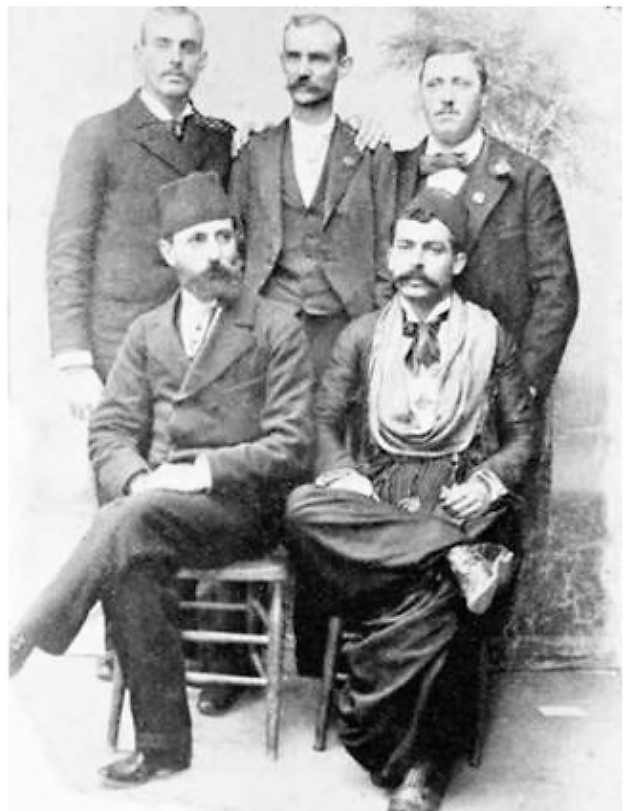
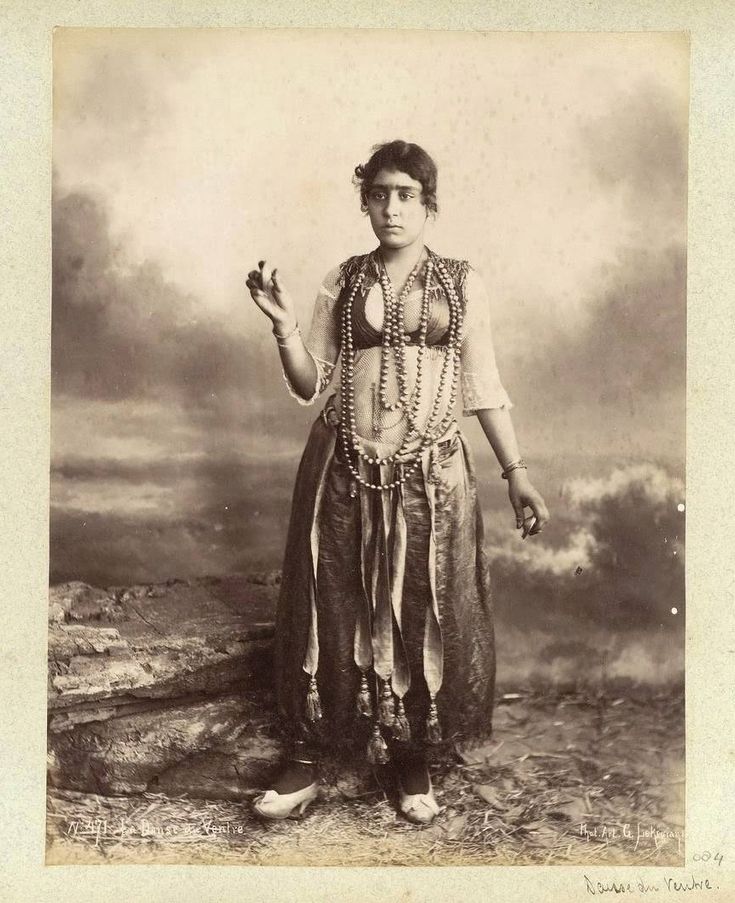
Gabriel Lekegian (1853–c. 1920) was an Armenian painter and photographer active in Constantinople (Istanbul) and Cairo from the 1880s to the 1920s. Known for his photography under the studio name *Photographie Artistique G. Lekegian & Cie*, he captured key moments of Ottoman Egypt and its transformations at the turn of the 19th century. His photographs are held in major collections, including the New York Public Library and the Victoria and Albert Museum. Lekegian trained as a painter in Constantinople, studying under Salvatore Valeri and adopting Orientalist themes. He exhibited his works in Constantinople and London, though few paintings have survived. In Cairo, he apprenticed in a photographic studio before opening his own business near Shepheard’s Hotel, distinguishing himself as an “artistic” photographer, competing with figures like Jean Pascal Sébah. His work catered mainly to European and American tourists, showcasing exotic views of Egypt, as well as portraits and scenes of daily life. His photographs also served as references for Orientalist painters like Ludwig Deutsch. He became the official photographer for the Anglo-Egyptian army in the 1880s and was favored by Egyptian royalty. Lekegian’s photographs include historical buildings, landscapes, and daily life in Egypt and Sudan. His work is considered an early form of documentary photography, capturing the rapidly changing society of Egypt at the time. By the early 1920s, his studio focused on portraits and postcards from his earlier work, and he likely retired soon after. Lekegian’s photographs remain an important record of Egypt’s history and an influential contribution to both art and photography.