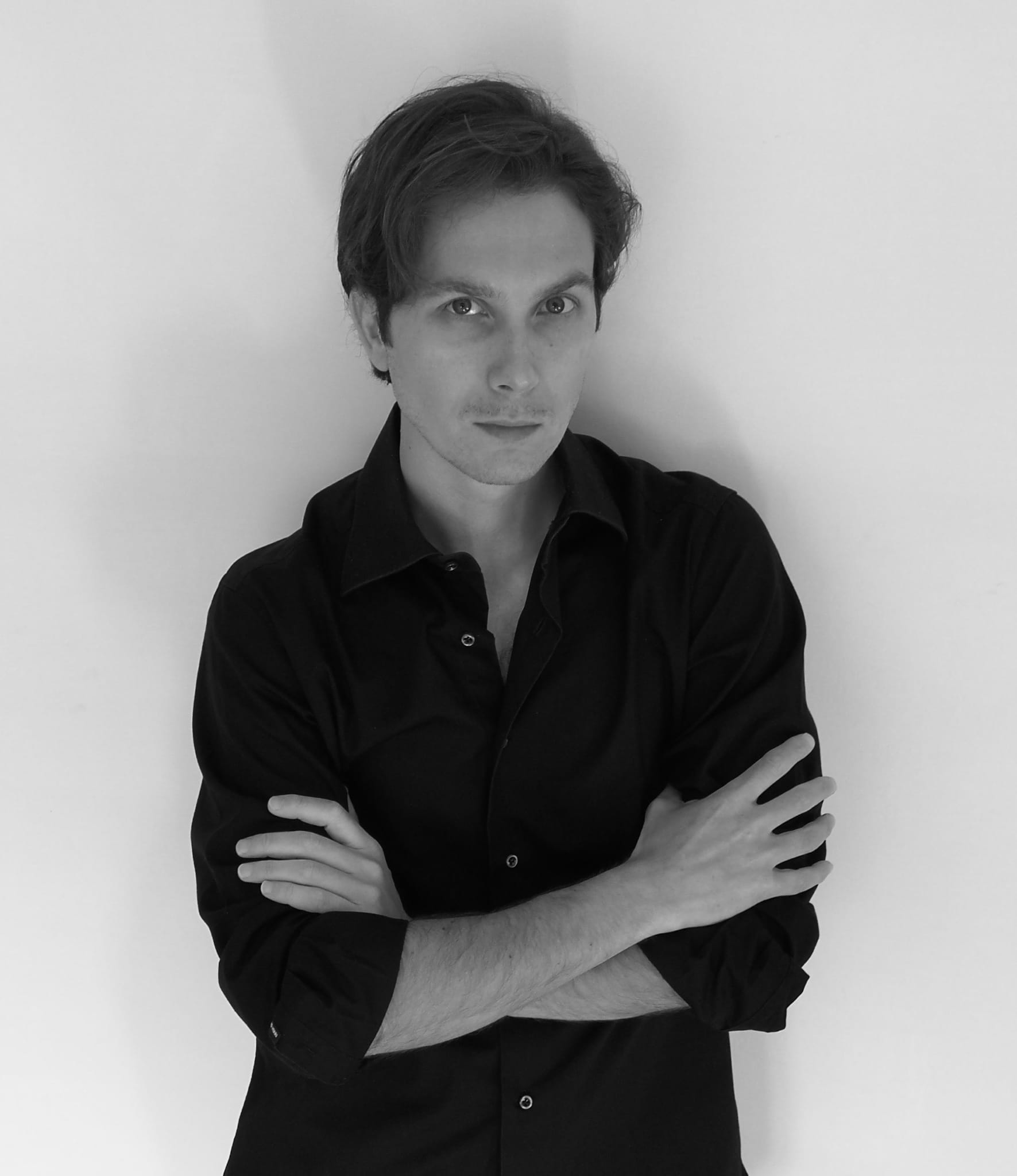
Fernando Botero
Biography and criticism
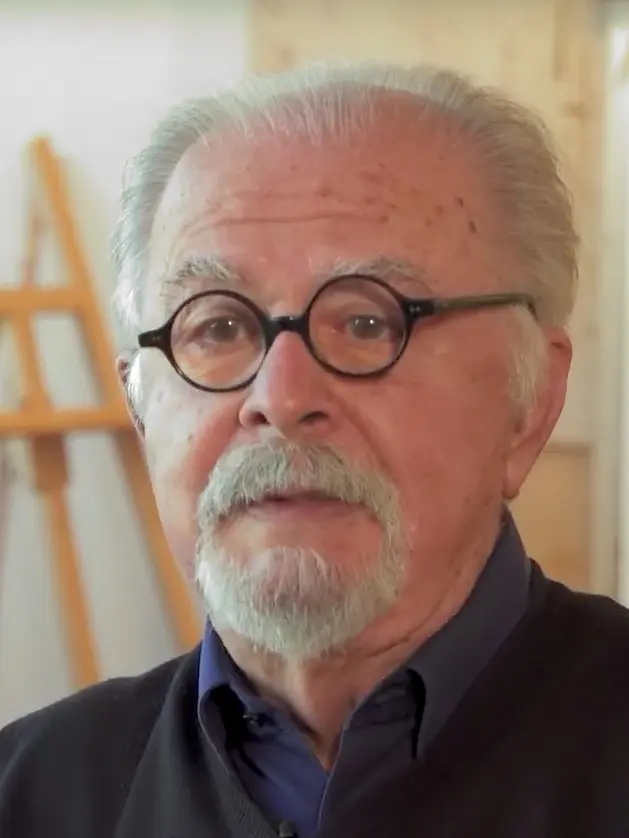
Fernando Botero was born in 1932 in Medellín, Colombia. His father, David Botero, a commercial agent, passed away when Fernando was only four years old. Both of his parents hailed from Colombia’s Andean region. From a young age, Botero was captivated by Baroque architecture and the illustrations of *The Divine Comedy* by Gustave Doré, which left a lasting impression on his artistic style. He later stated that he “never painted anything different from the world as he knew it in Medellín.” At the age of thirteen, under the influence of his uncle, Botero enrolled in a bullfighting school, but he left after two years, admitting in an interview that he preferred drawing the bullfighters rather than becoming one. At sixteen, he participated in his first group exhibition in Antioquia and began contributing illustrations to the local newspaper, *El Colombiano*. His early works were influenced by Mexican muralists like José Clemente Orozco and David Alfaro Siqueiros. Botero was strongly influenced by the Baroque style in the churches and cloisters of his hometown. His passion for modern European art led to his expulsion from school after he wrote an article titled “Pablo Picasso and Nonconformism in Art.” He continued his studies at the San José high school in Marinilla and later worked as a scenographer for the “Lope de Vega” theater company. In 1952, Botero moved to Bogotá, where he held his first solo exhibition at the Leo Matiz Gallery. He won second prize at the Salon of Artists of Bogotá and used the prize money to travel to Spain. In Madrid, he enrolled at the Academia de Bellas Artes San Fernando and studied works by masters like Velázquez and Goya, whose influence would be crucial for his development. He also studied Italian Renaissance frescoes during his travels in Florence and Tuscany, particularly the works of Piero della Francesca, Masaccio, and Paolo Uccello. Returning to Colombia in 1955, Botero began exhibiting his works but faced criticism as his style diverged from the dominant French avant-garde trends of the time. He moved to Mexico, where he discovered the possibility of expanding and exaggerating the volume of shapes, which became a defining characteristic of his work. In 1957, during a visit to Washington, Botero encountered abstract expressionism, which further influenced his artistic direction. Botero continued to gain recognition in the late 1950s. He won first prize at the Colombian Salon and became a professor of painting at the Bogotá Academy of Art. His works were increasingly successful, with a solo exhibition in Washington in 1958. By the 1960s, Botero’s work had matured, and his unique, rounded figures began to emerge as a defining feature of his style. His first New York exhibition in 1961 was initially a failure, but by the mid-1960s, he had found a global audience. He began exhibiting regularly in Europe and the United States, and in 1969, he made his debut exhibition in Paris. In the 1970s, Botero focused more on sculpture, exhibiting his large, volumetric works in various cities. A tragic event during this period was the death of his third son, Pedro, in a car accident. This loss profoundly affected Botero and influenced several of his subsequent works, particularly those featuring large hands, as he had lost the last phalanx of his left pinky finger in the same accident. His second marriage also ended in divorce in 1975. Botero’s sculptures began to attract international attention, with notable exhibitions in public spaces, including the Champs-Élysées in Paris (1992) and along Park Avenue in New York (1994). In 1995, a terrorist attack in Medellín destroyed his monumental bronze sculpture *The Bird*, but in a gesture of peace, Botero donated a replacement sculpture to be installed near the remnants of the original. In the 2000s, Botero began a series of works inspired by the abuse of prisoners at the Abu Ghraib prison in Iraq, which were shown at Palazzo Venezia in Rome and later toured the world. His large, rounded figures continued to captivate audiences globally, earning Botero recognition as one of the most influential contemporary artists. Fernando Botero now divides his time between Paris, New York, Monte Carlo, and Pietrasanta, where he continues to create and exhibit his iconic works.
Category of affiliation
- Painting
Artworks
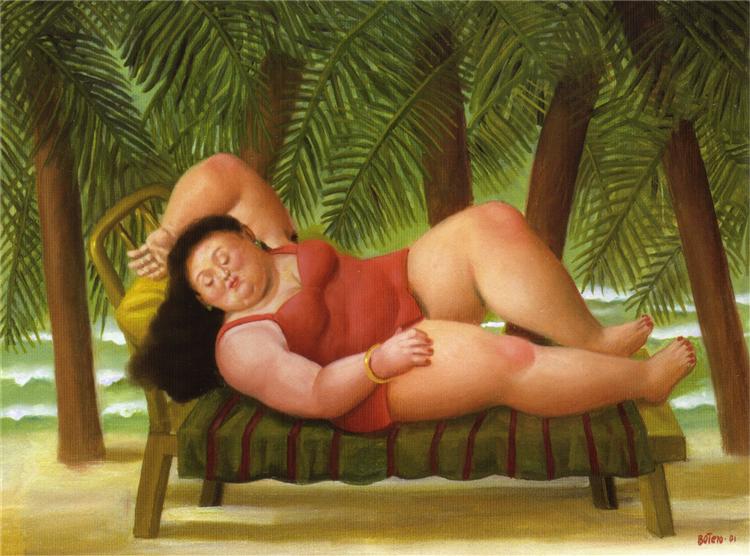
Bather on the Beach
- 2001
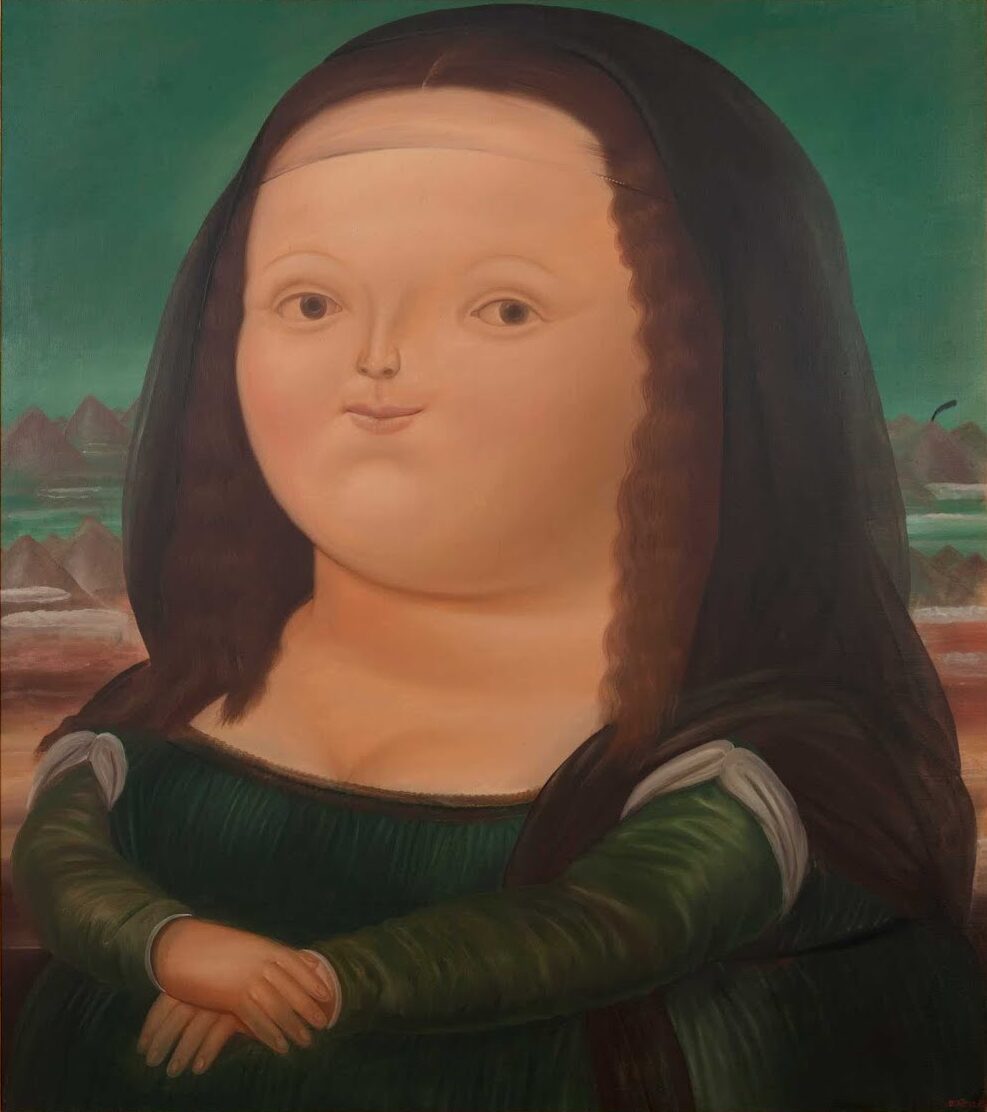
Monalisa
- 1978
- 166 cm x 183 cm
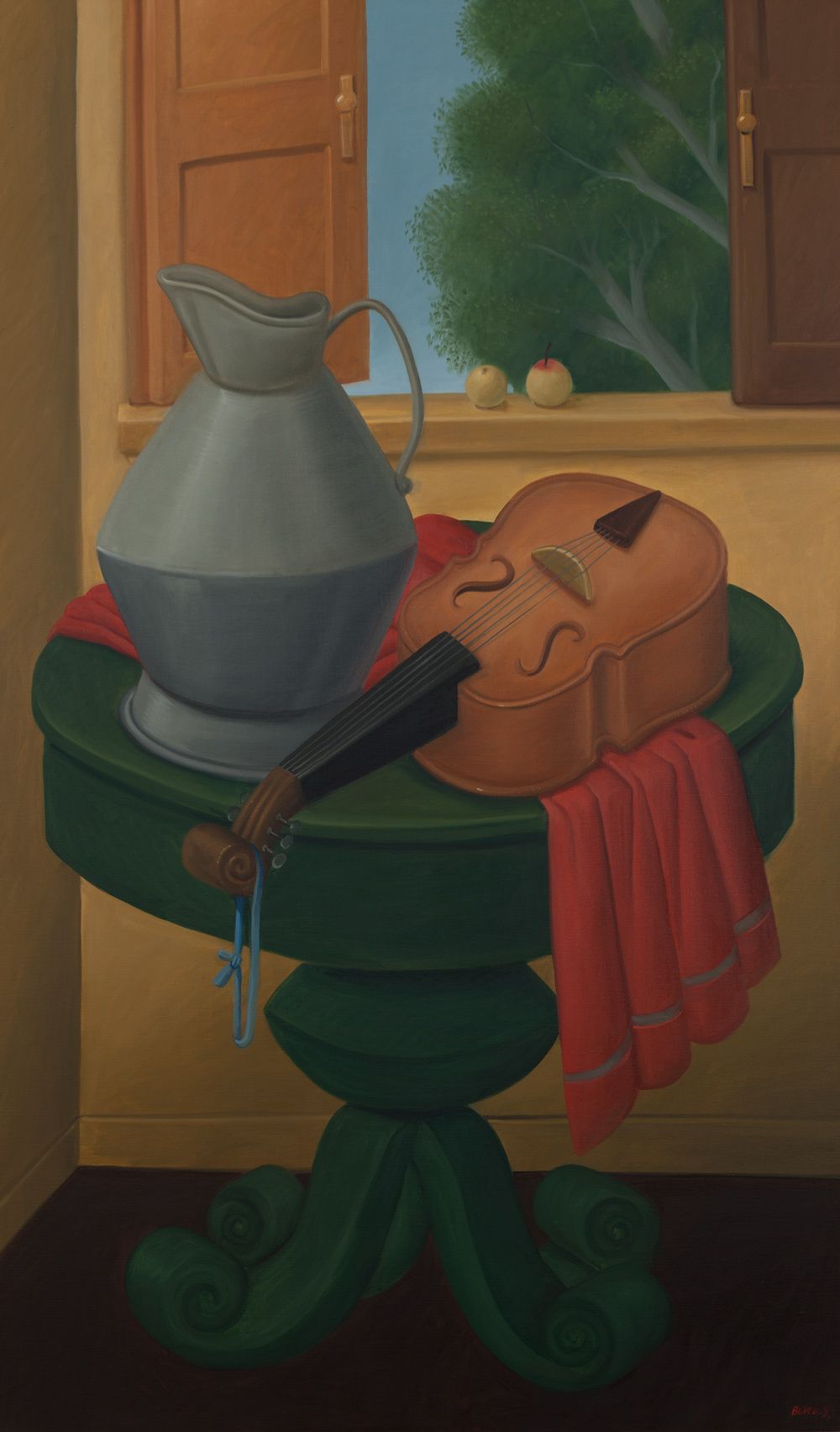
Naturaleza muerta con violín
- 1999
- 110 cm x 186 cm
- Oil on canvas