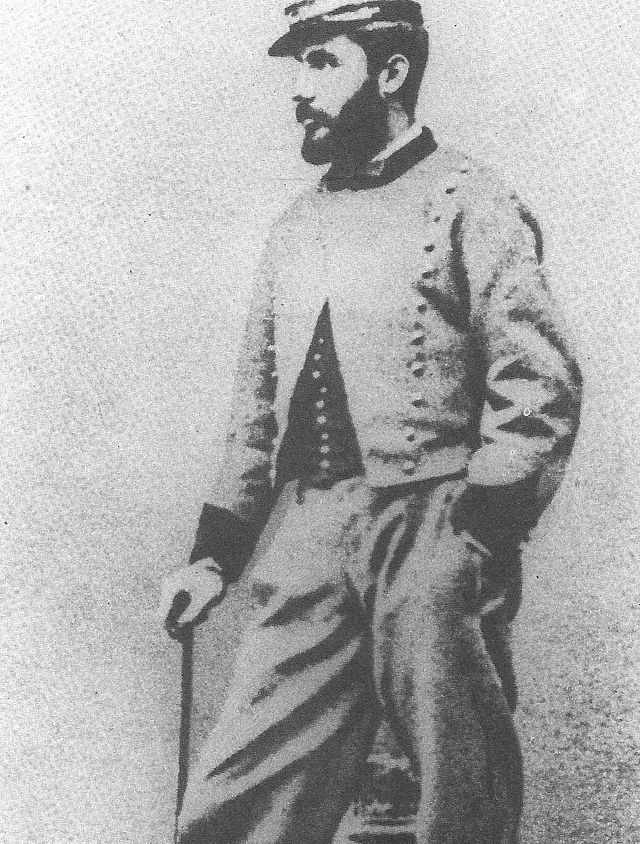
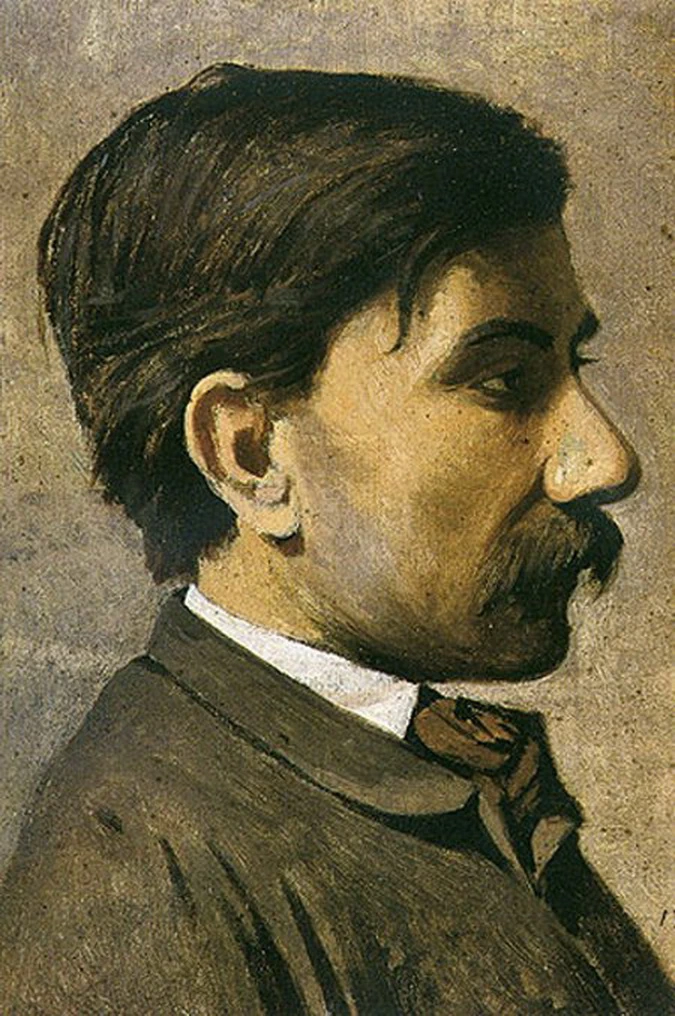
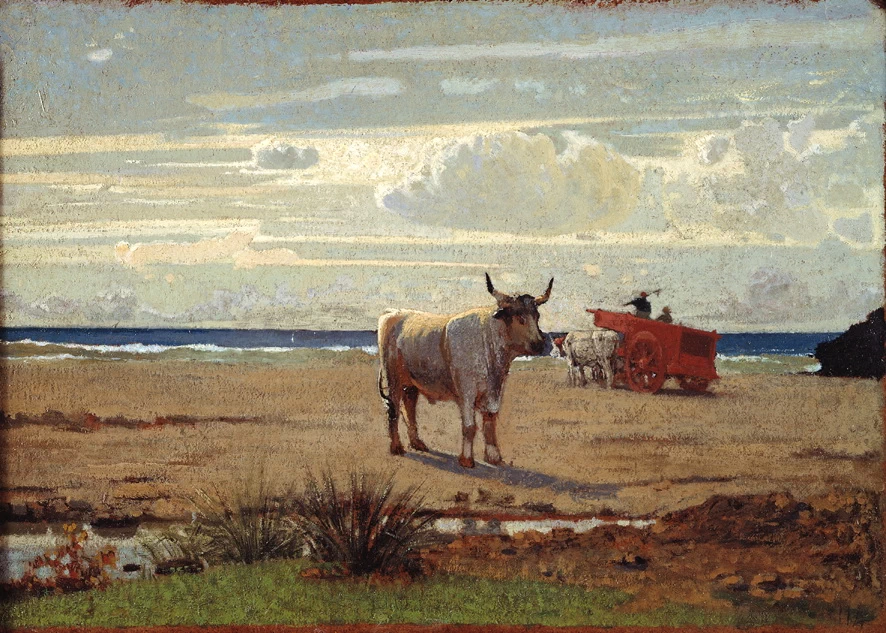
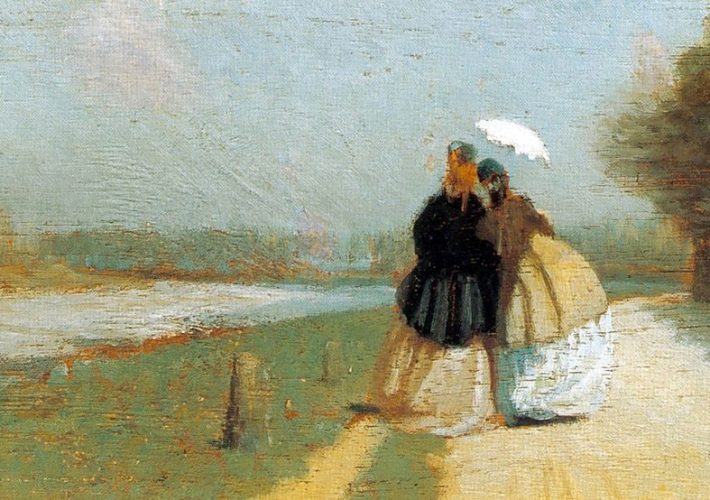
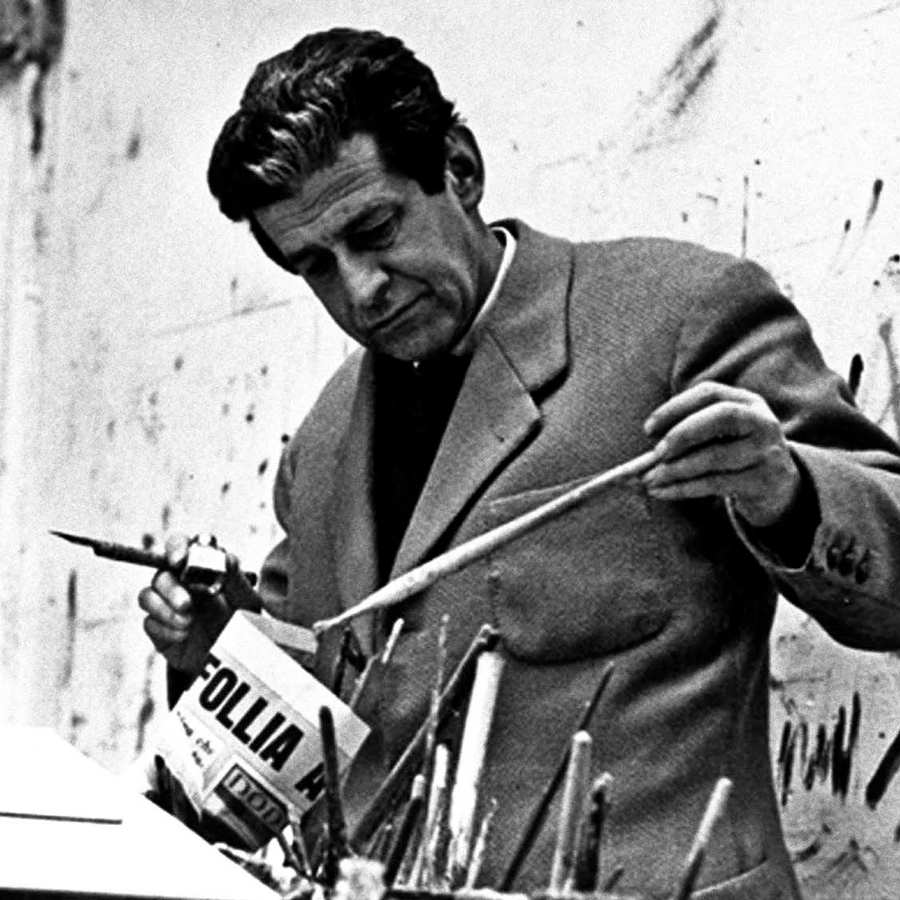
Giuseppe Abbati was born to Vincenzo, an interior painter, and Francesca De Romano in 1836, spending his early childhood in Naples. At the age of six, he moved with his family to Florence, where he lived until 1846, when they relocated to Venice. It was in Venice that he encountered the revolutionary ideas of Telemaco Signorini, who introduced him to the concepts of “macchia,” “tone,” and “value” in 1856. Although deeply impressed by these ideas, Abbati did not immediately embrace this new style of painting. In 1859, after settling in Naples, he participated in the exhibition at the Royal Bourbon Museum, where he began working on copies of the frescoes from Herculaneum and Pompeii, as well as studies of famous monuments. This focus on architectural interiors remained a constant throughout his career. In 1860, he moved permanently to Florence and presented works such as interiors of the churches of Santa Maria Novella and San Miniato at the first National Exhibition. Despite his success, he rejected official recognition in solidarity with other artists who disagreed with the composition of the jury. It was in Florence that Abbati began to experiment with “macchia” painting, a technique that involved bold color contrasts and chiaroscuro. This marked a departure from his earlier style, which still reflected the influence of his father’s approach. During this period, he frequented the Caffè Michelangiolo and the Circolo dei Risorti, where he formed close friendships with artists such as Sernesi, Fattori, Banti, and Cabianca, sharing a common artistic vision. From 1861 onwards, particularly through his friendship with Diego Martelli, Abbati intensified his outdoor studies, painting scenes of daily life in Tuscany, such as seascapes and views of Castiglioncello. His most notable works from this period, including *Il Mugnone alle Cure* and *Stradina al sole*, are prime examples of his macchiaiola experiments. Throughout this time, he continued to participate in exhibitions and produced both en plein air studies and monumental interior works. In 1862, Abbati joined Garibaldi’s second expedition, which ended with the defeat at Aspromonte. During this period, he also painted some works with an elongated format, such as *Veduta di Castiglioncello* and *Bovi al carro*. His career was tragically cut short in 1868 when he died in Florence from complications caused by a wound inflicted by a mastiff dog. Despite his brief life, Abbati left a significant mark on the development of Italian painting, particularly in the spread of the macchiaiola technique, influencing future generations of artists. He died in 1868.