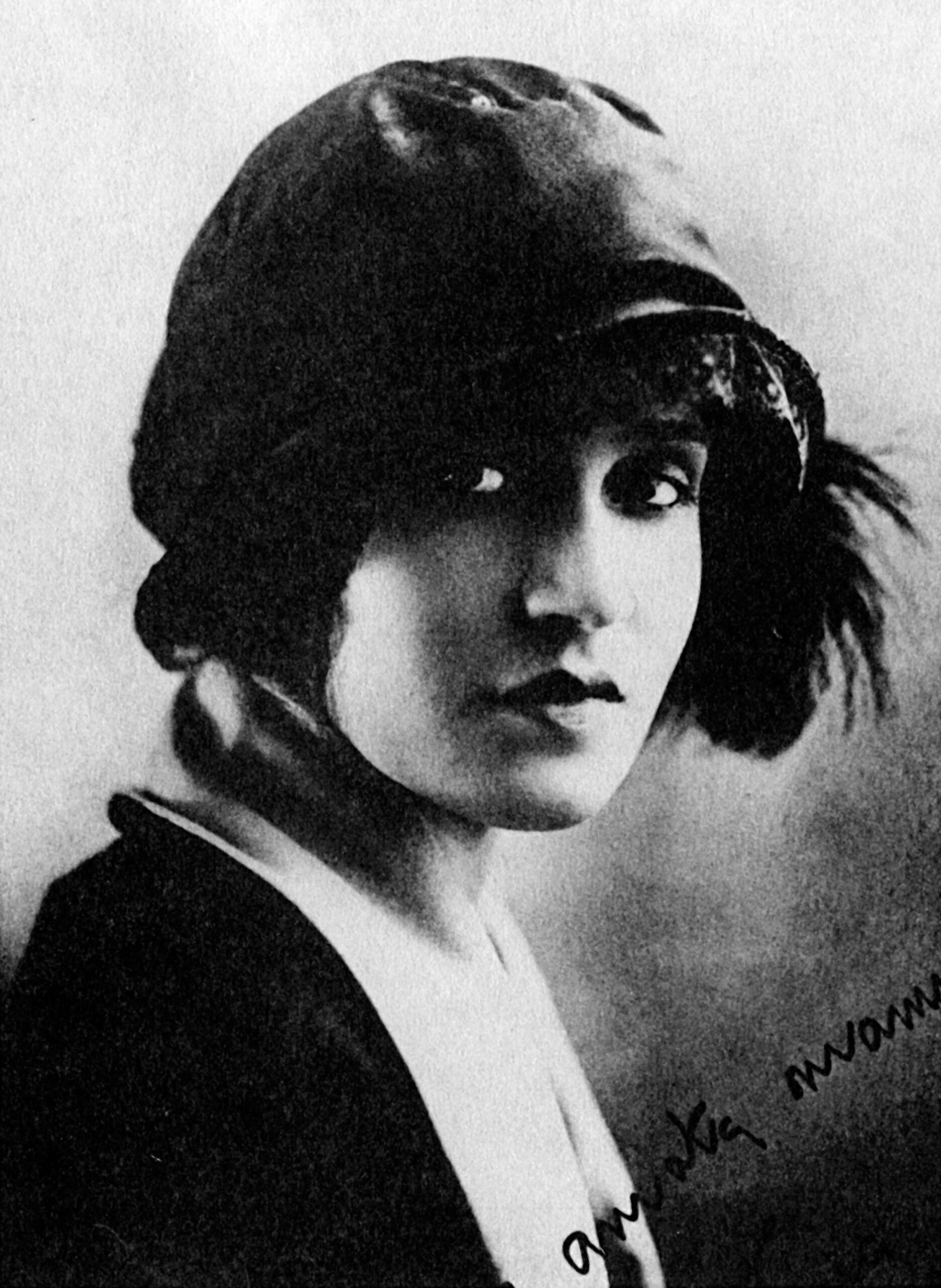
Edgar Domingo Evia y Joutard, known professionally as Edgar de Evia (1910–2003), was a Mexican-born American photographer best known for his work in interiors and still-life photography. Active from the 1940s through the 1990s, de Evia’s photography appeared in prominent publications such as *House & Garden*, *Look*, and *The New York Times Magazine*. He also worked on major advertising campaigns, including for brands like Borden Ice Cream and Jell-O. De Evia’s career extended beyond commercial work. In 1942, he co-authored an essay titled “The New Synthesis” with homeopathic physician Guy Beckley Stearns for the *Laurie’s Domestic Medicine* guide. The essay discussed modern approaches to homeopathic treatments, and de Evia’s black-and-white photography was used in the book to complement the text. The *New York Times* praised his contributions, highlighting his skill in still-life photography and his ability to use black-and-white photography effectively, even in an era dominated by color. His work was especially lauded in the context of the portfolio of still-life photography featured in the book, establishing him as a “master of still life.” In 1953, de Evia introduced high-key food photography to editorial pages in *Good Housekeeping*, a technique that would go on to influence visual storytelling in the food industry. His clean, high-contrast style set a new standard for food photography and was groundbreaking at the time. Edgar de Evia’s impact on photography was also acknowledged by fellow photographers. Melvin Sokolsky, known for his fashion photography in *Harpers Bazaar* and *Vogue*, cited de Evia as one of his earliest influences. Sokolsky was particularly inspired by de Evia’s success, noting how the photographer’s $4,000 fee for a Jell-O ad served as a motivation for him to pursue his own career in photography. Throughout his career, de Evia’s work stood out for its elegance, technical precision, and pioneering approach to still-life and interior photography, making him a key figure in mid-20th-century American visual culture.