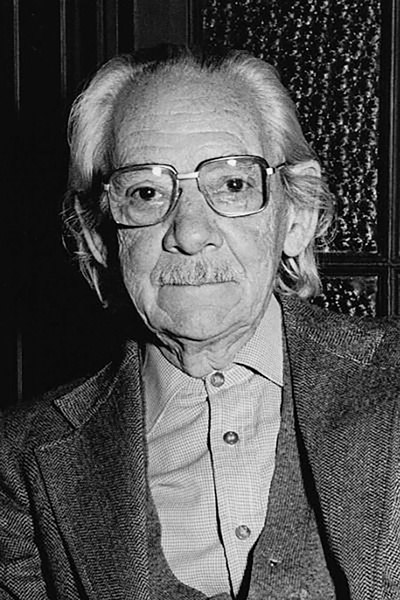
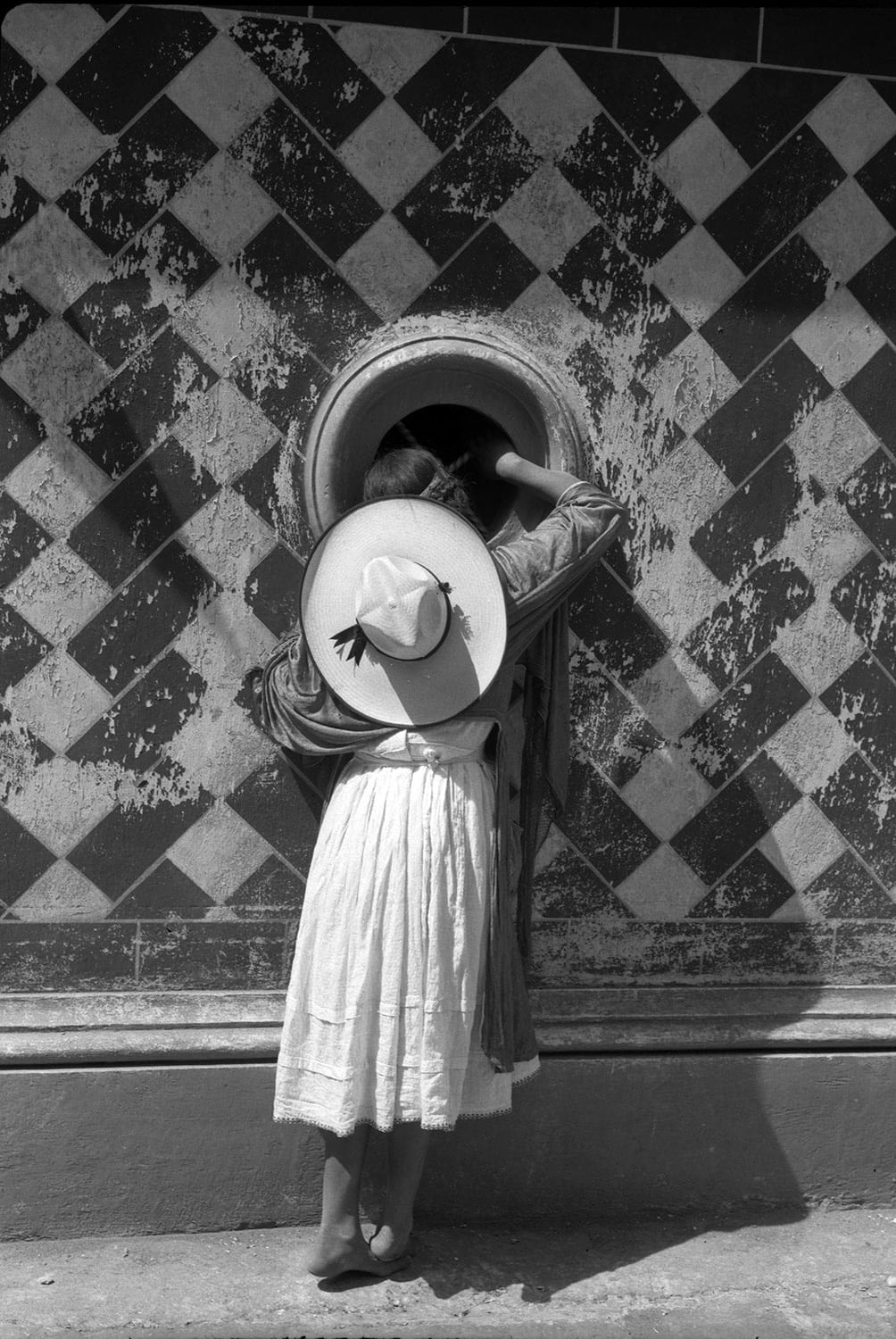
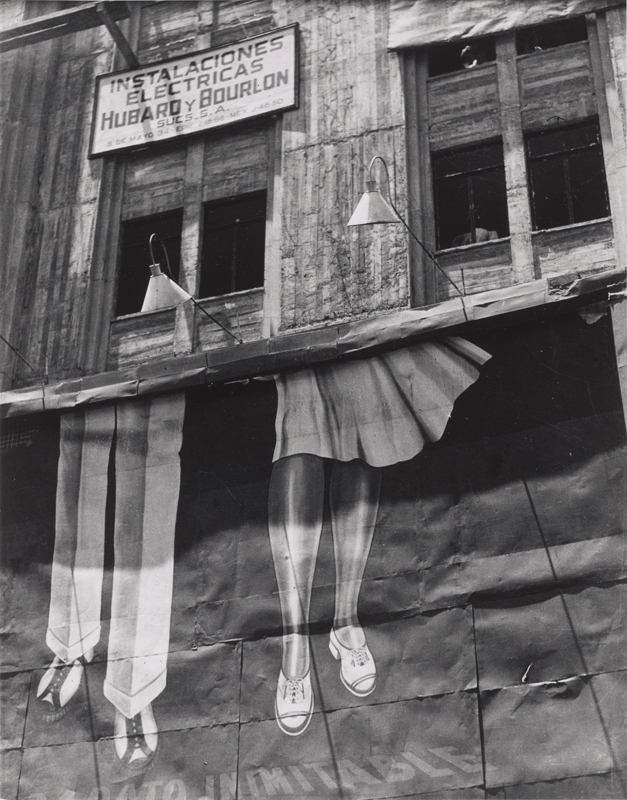
Manuel Álvarez Bravo (1902–2002) was one of the most influential figures in 20th-century Latin American photography, known for his innovative approach to capturing the ordinary in ironic, surreal, and sometimes haunting ways. Born and raised in Mexico City, Álvarez Bravo was exposed to the arts early, with his father being a painter and his grandfather a portrait photographer. His childhood coincided with the Mexican Revolution, which profoundly impacted his later work, especially in terms of social and political awareness. Although Álvarez Bravo took art classes at the Academy of San Carlos, he was largely self-taught in photography. His career spanned from the late 1920s to the 1990s, with his artistic peak occurring between the 1920s and 1950s. His early photography was influenced by European styles, but as he became more attuned to Mexico’s cultural and political movements, he was deeply influenced by Mexican muralism and the drive to redefine Mexican identity in the post-revolutionary era. Álvarez Bravo rejected picturesque portrayals of Mexican life and instead aimed to depict his subjects in ways that avoided stereotypical representations, often infusing his images with irony or surrealist elements. Álvarez Bravo’s career began when he bought his first camera in 1924 and started experimenting with photography. His early exposure to the work of photographers like Hugo Brehme and Tina Modotti, whom he met in the late 1920s, further shaped his artistic direction. Modotti, in particular, introduced him to intellectuals and artists in Mexico City, including Edward Weston, who encouraged him to pursue photography more seriously. Álvarez Bravo’s work gained recognition in the 1930s, and he became a key figure in Mexican photography, exhibiting widely and contributing to the cultural dialogue of the time. Over his lifetime, Álvarez Bravo married three times, all to photographers, including his first wife, Lola Álvarez Bravo, who was also an important figure in Mexican photography. Despite their separation in 1934, Lola played a significant role in his early development as a photographer. In addition to his photographic work, Álvarez Bravo made contributions to Mexican cinema and the visual arts. He founded the *Fondo Editorial de la Plástica Mexicana*, a publishing house dedicated to promoting Mexican art, and his work was widely recognized with numerous awards, especially after 1970. In 1973, he donated his personal collection of photographs and cameras to the Instituto Nacional de Bellas Artes, and the Mexican government acquired additional works for the Museo de Arte Moderno. Álvarez Bravo’s photography remains celebrated for its exploration of Mexican identity, culture, and social issues. His works are included in major international collections, and in 2017, his photographic archive was recognized by UNESCO’s *Memory of the World* program. He passed away on October 19, 2002, leaving behind a profound legacy as one of the most important photographers of the 20th century.