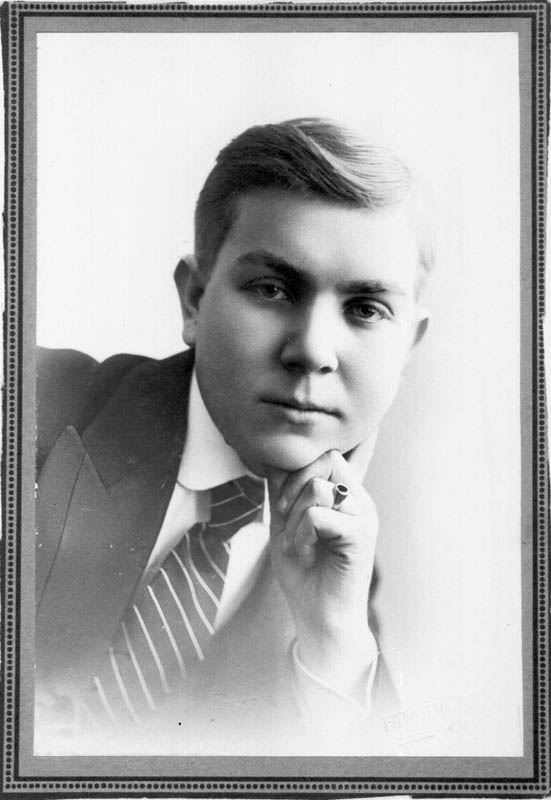
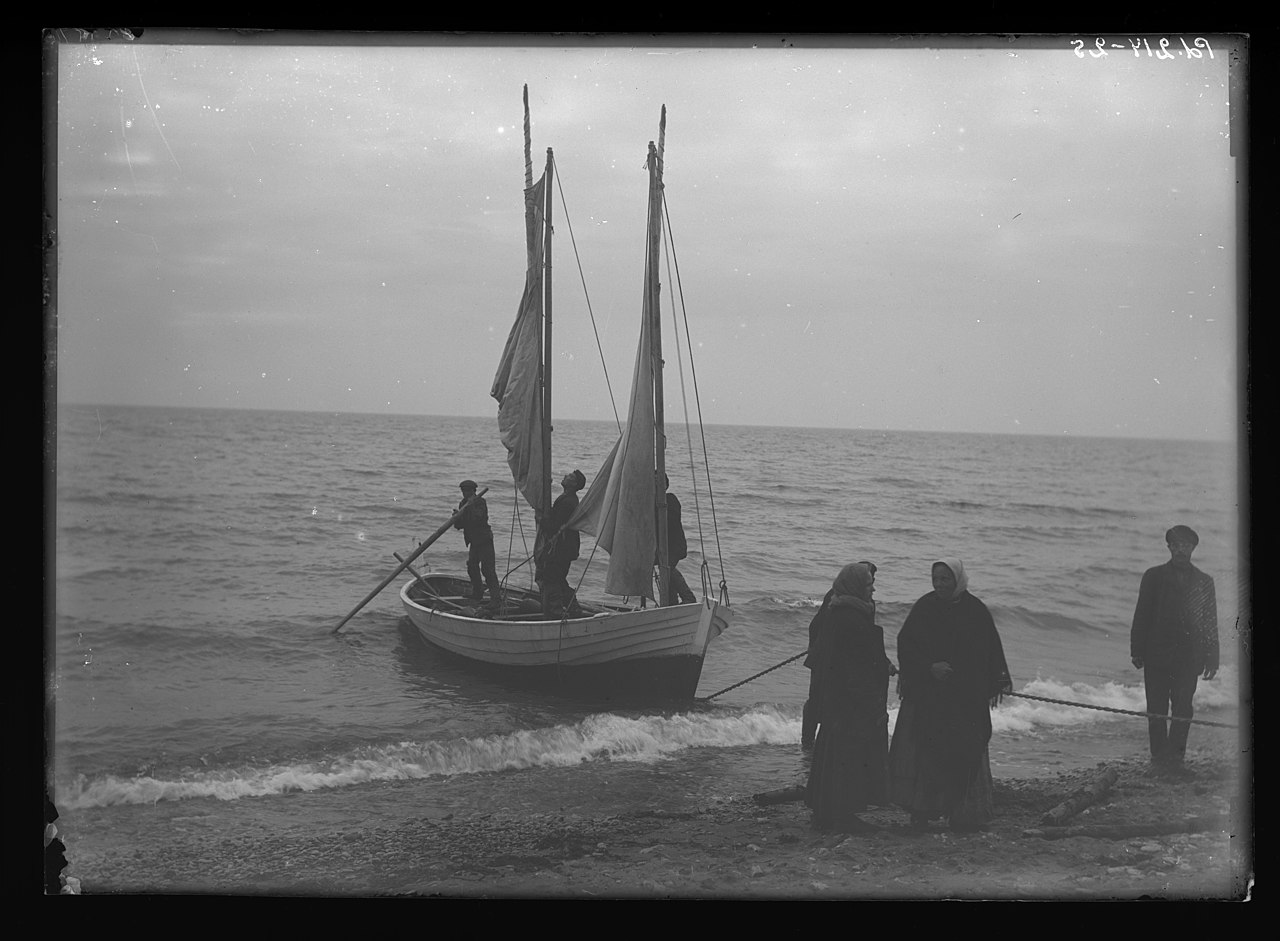
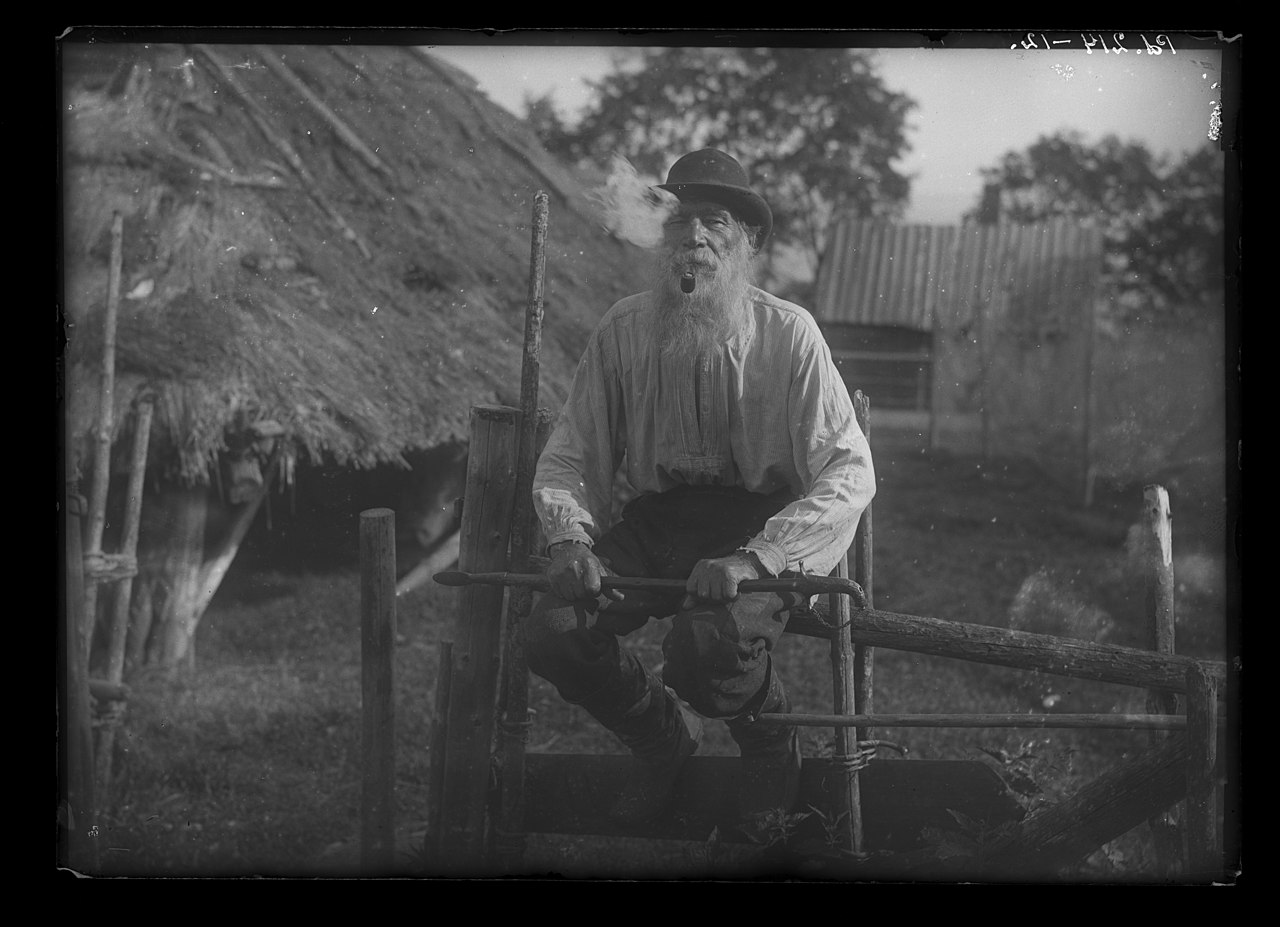
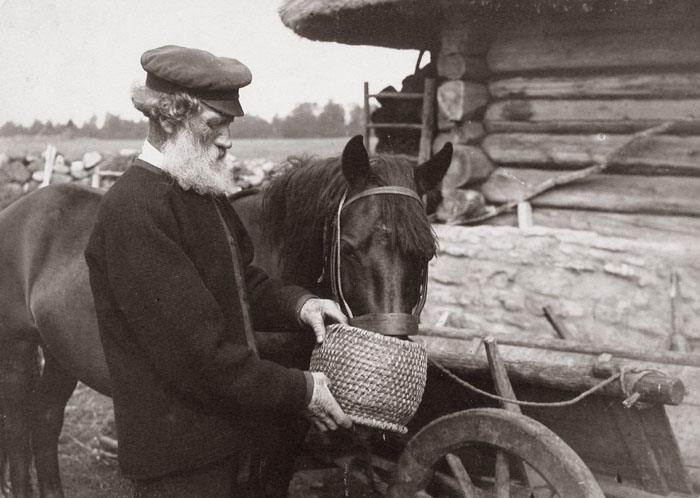
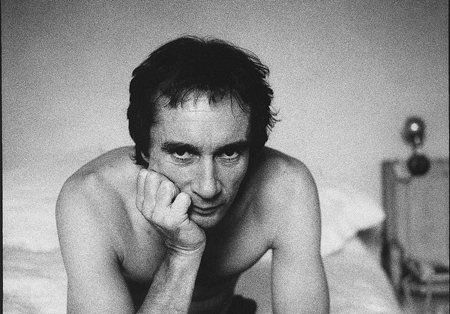
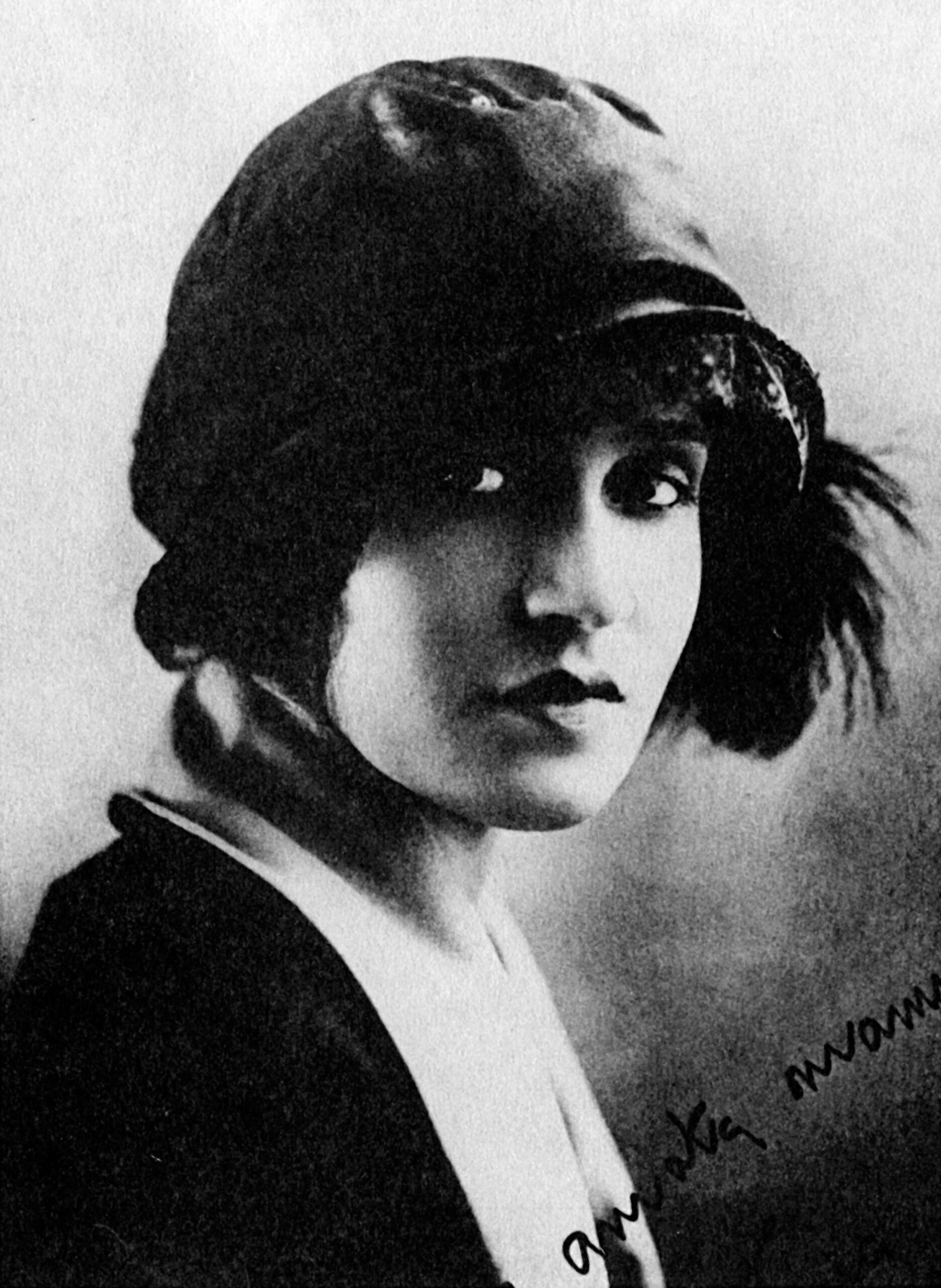
Johannes Pääsuke (1892–1918) was an influential Estonian photographer and filmmaker, recognized for his pioneering work in documenting Estonian culture and landscapes in the early 20th century. Born in Tartu, Estonia, Pääsuke came from a well-off family and was one of six children. Though little is known about his early life and education, it is believed he began practicing photography at the age of 15 in 1907. He later approached the Estonian National Museum (ERM) in 1912, where he began a significant ethnographic photography project to capture the daily life, trades, and architecture of Estonia. From 1913, Pääsuke embarked on extensive fieldwork, including a major photographic tour of Estonia’s coast, which lasted from June to July. Traveling with an assistant, Harri Volter, the two documented the landscapes of Saaremaa and Muhu islands, among other areas, using large-format cameras and glass plates. This project resulted in over 1,300 photographs, and the ERM exhibited Pääsuke’s work in August 1913, showcasing his contributions to Estonian cultural preservation. In addition to his photography, Pääsuke is notable for being the first Estonian filmmaker. He directed around 40 films during his brief career, including five newsreels, four documentaries, and the political satire *Karujah Pärnumaal* (*Bear Hunt in Pärnu County*), which is considered one of the first Estonian feature films. His work in film, alongside his photography, marks him as a key figure in Estonian cultural history. In 1915, Pääsuke was conscripted into the Russian army during World War I, where he continued to photograph, even receiving a camera while stationed in St. Petersburg. Despite the hardships of war, he managed to document both Russian and Estonian life. Tragically, Pääsuke died in 1918 at the young age of 25, in a train accident in Orsha, Belarus. Pääsuke’s legacy endures through his photographic archives, which are invaluable to understanding early 20th-century Estonian life, and his films, which contribute to the foundations of Estonian cinema.