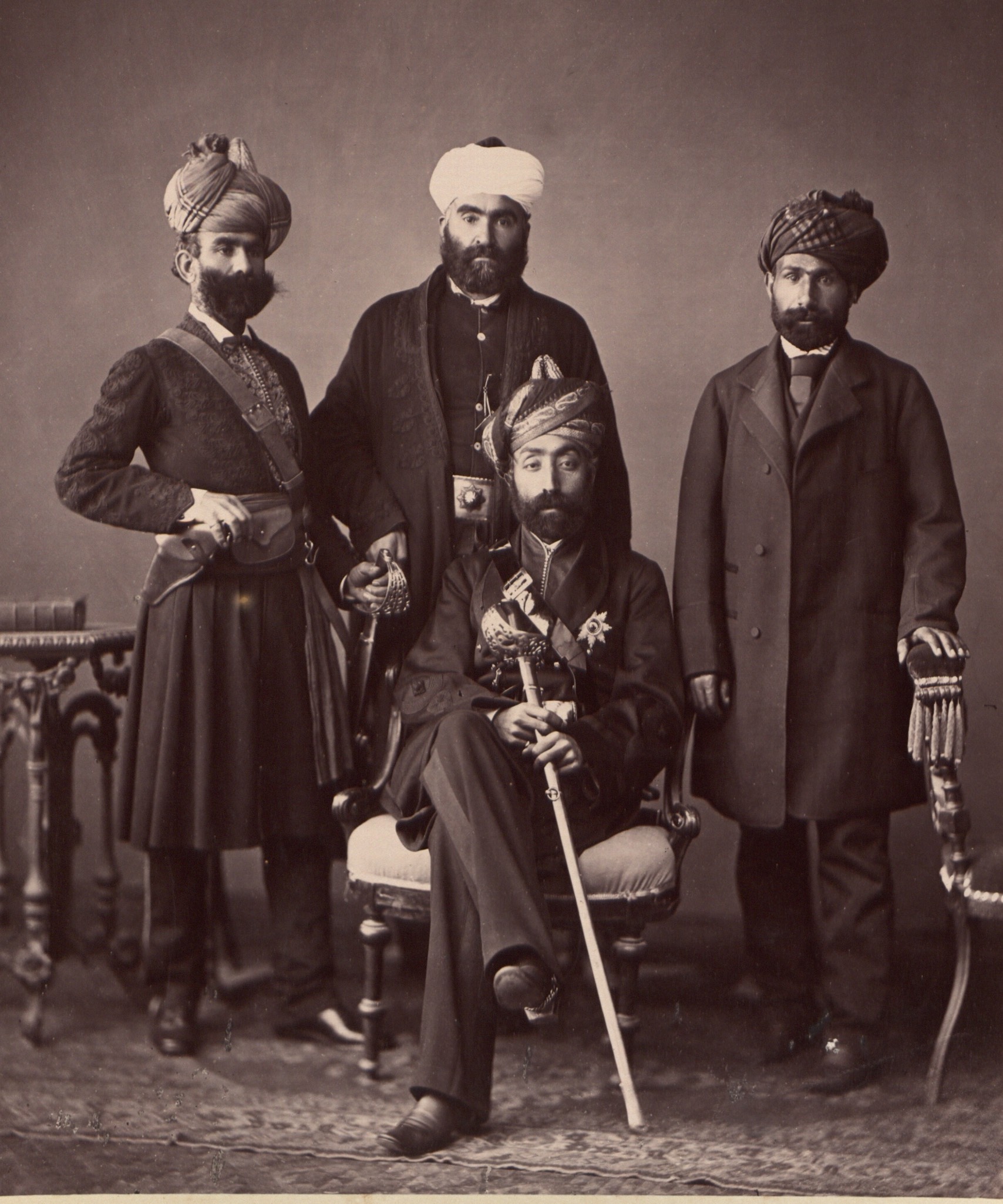
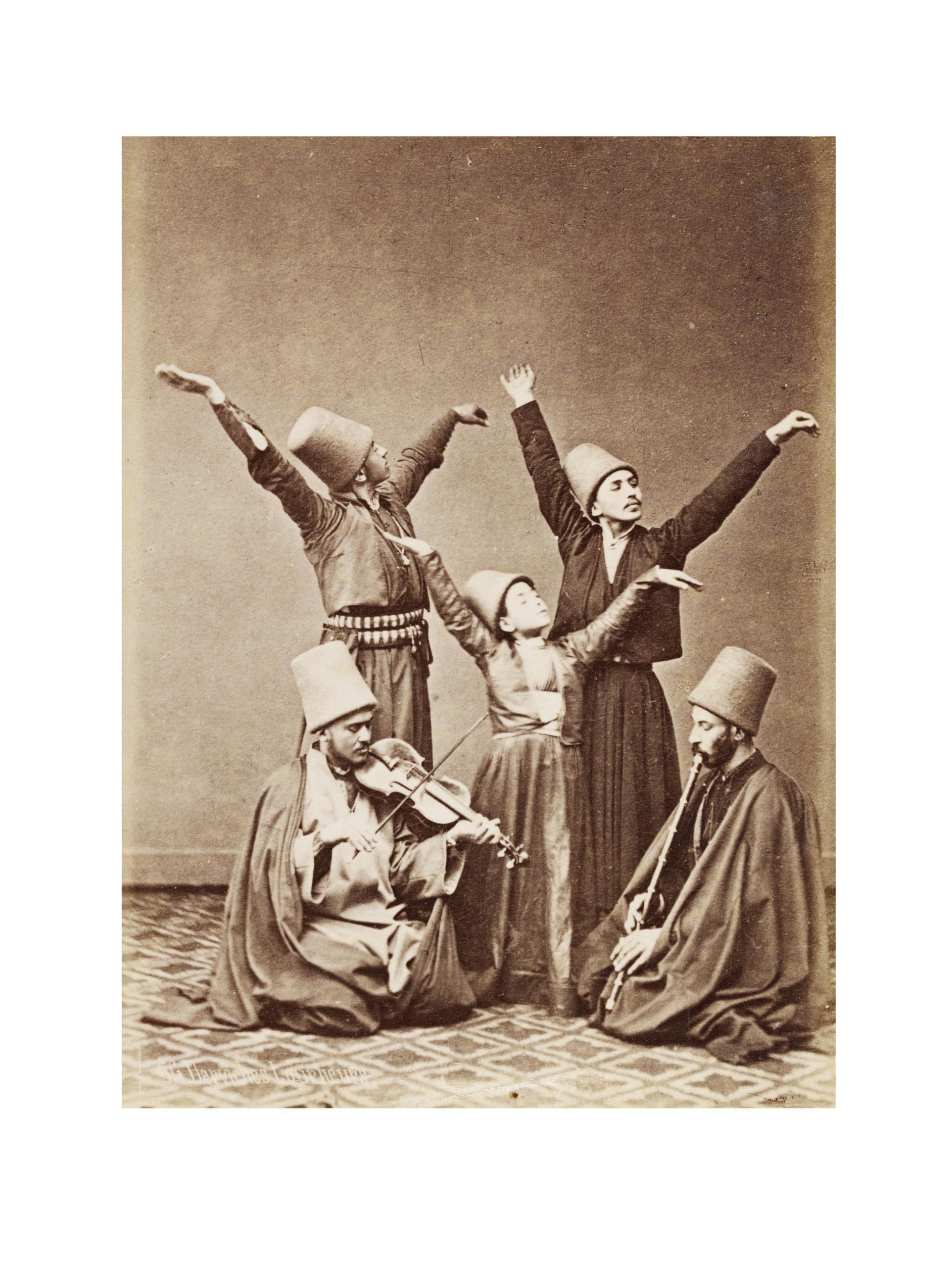
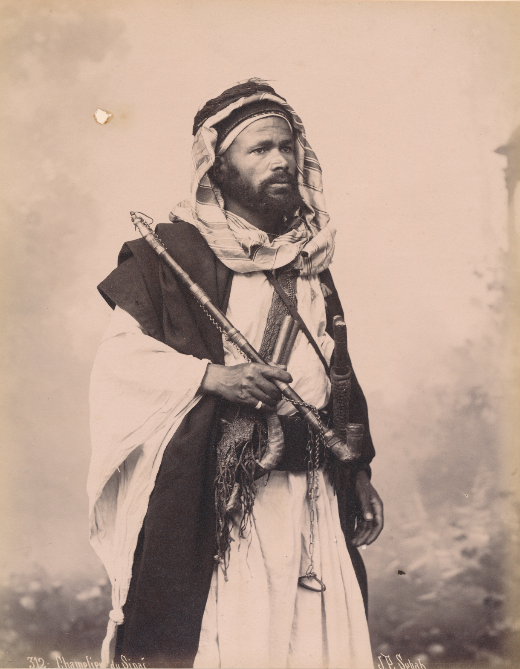
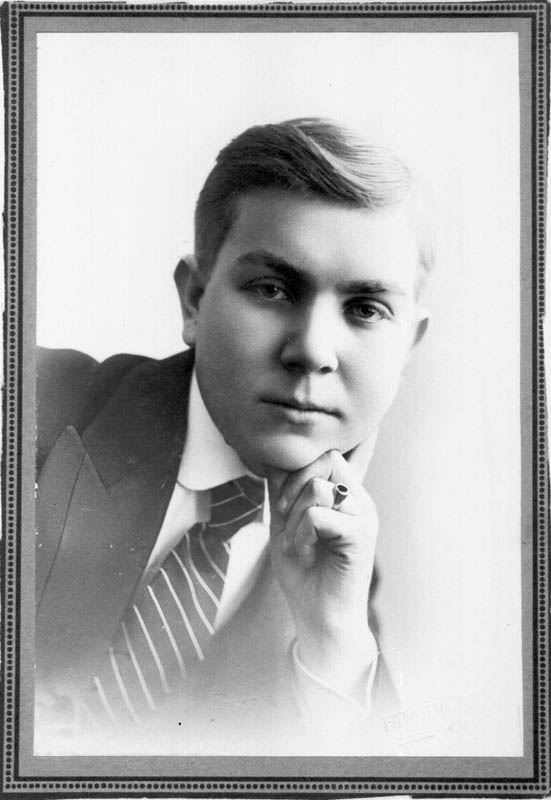
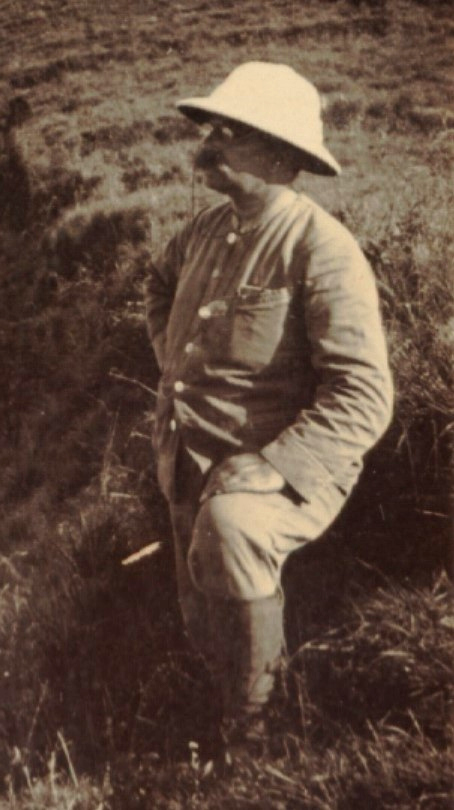
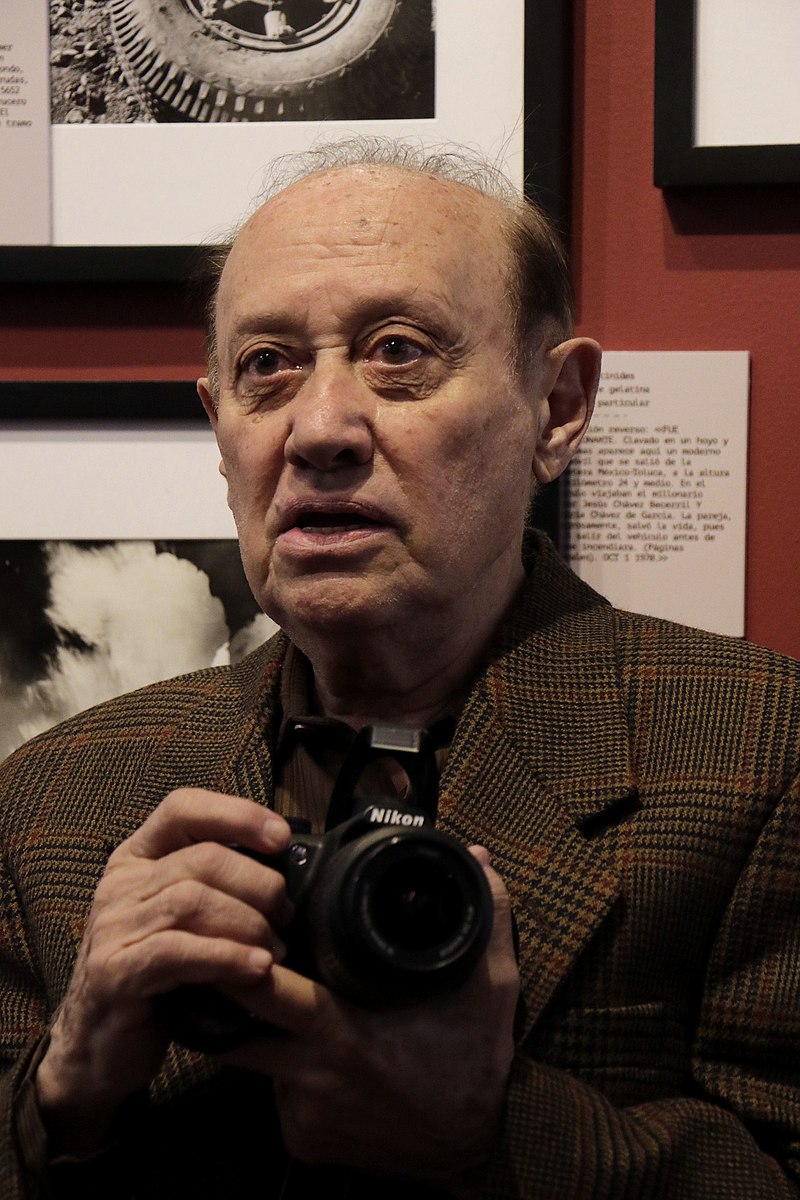
Jean Pascal Sébah (1872–1947) was a Syriac-Armenian photographer, the son of Pascal Sébah, who founded a renowned photographic studio in Cairo in the mid-1850s and later opened another in Constantinople (now Istanbul) in the 1870s. After his father’s death in 1886, Jean Pascal took over the family business, continuing its legacy of Orientalist photography. In 1888, Jean Pascal became a partner in the studio, which was renamed *Sebah & Joaillier* after his uncle Cosmi (his father’s brother) and French photographer Pollicarpe Joaillier joined the firm. Under their leadership, the studio gained further recognition, becoming the leading representative of Orientalist photography. In 1889, the studio was appointed as the official photographers to the Prussian Court. One of the studio’s notable achievements was producing fifty-one photographic albums sponsored by Sultan Abdulhamid II in 1893, showcasing the Ottoman Empire. Two of these volumes were created by *Sebah & Joaillier*, and the collection was later presented to U.S. President Grover Cleveland. Today, this collection is housed in the Library of Congress. The *Foto Sabah* studio, based in Pera (Constantinople), became the most prestigious photography establishment in the city, known for its iconic photographs of landmarks such as the Hagia Sophia, the Blue Mosque, and the Galata Tower. Jean Pascal Sébah passed away on 6 June 1947 at the age of 75, leaving behind a significant legacy in the world of Orientalist photography.