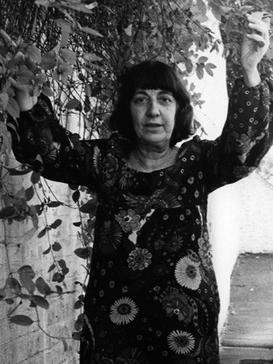
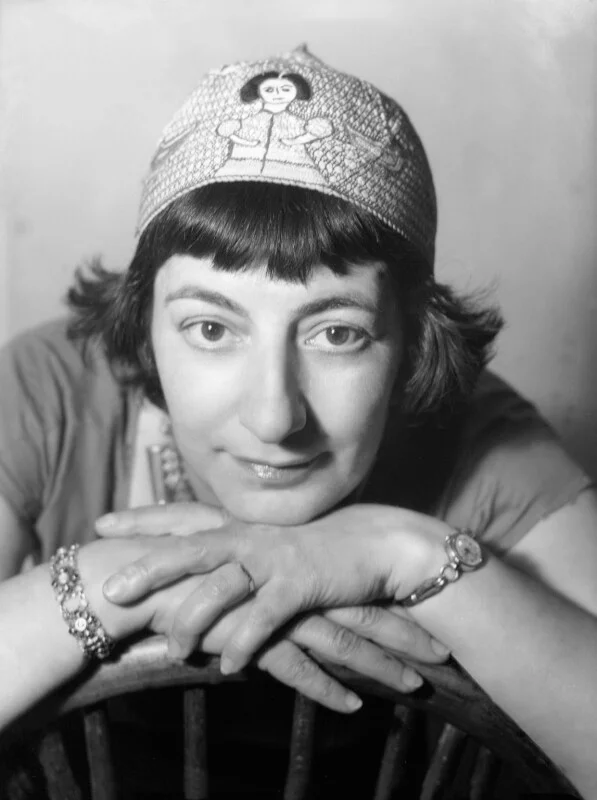
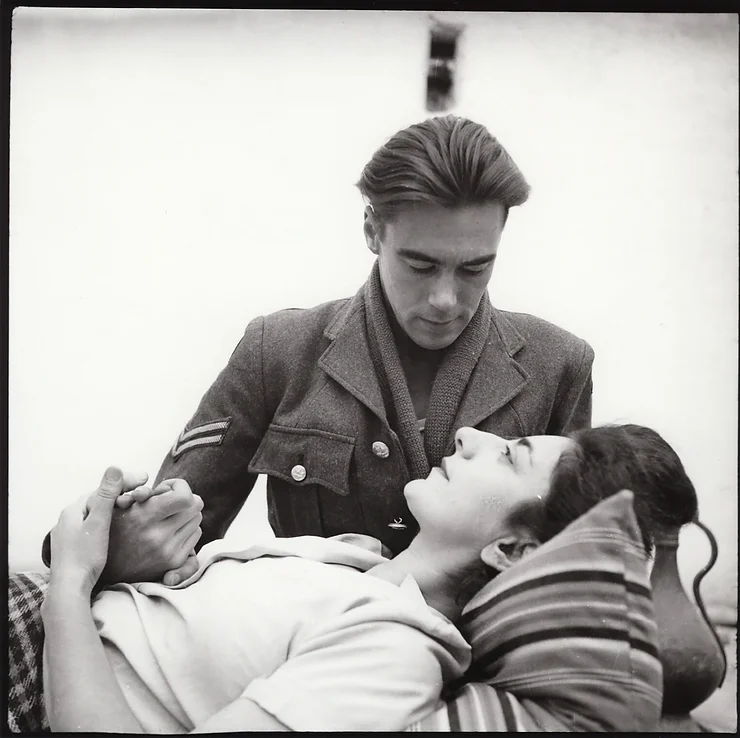
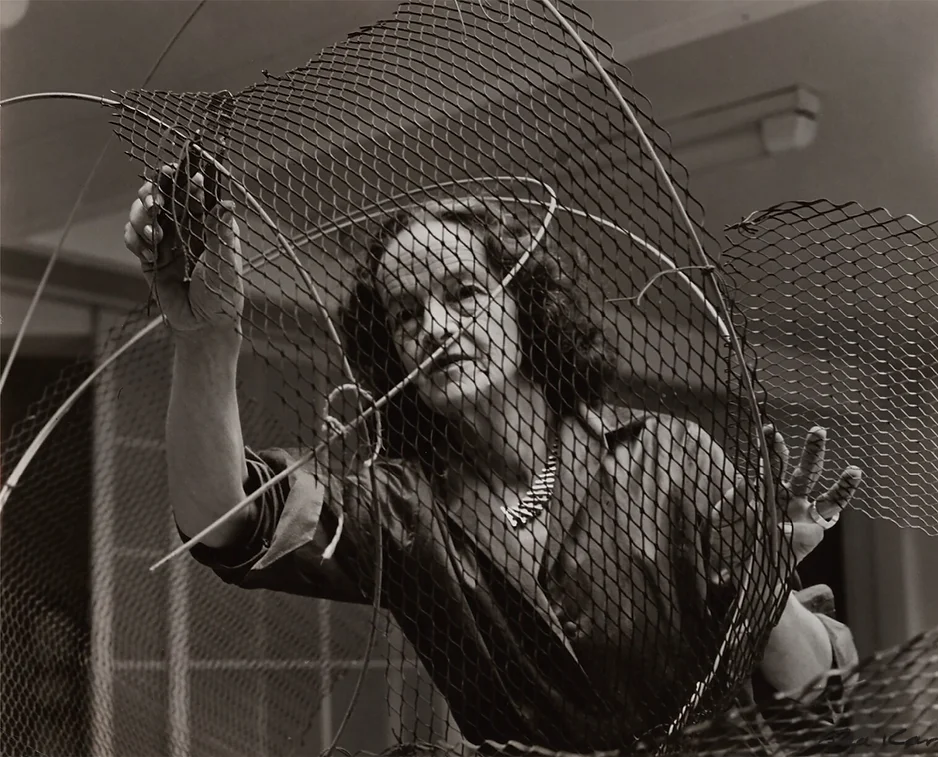
Ida Kar (1908–1974) was an influential photographer, known for her striking black-and-white portraits of artists and writers. Active primarily in London after 1945, she played a key role in elevating photography to the level of fine art, making a significant contribution to the recognition of photography as an artistic medium. In 1960, she became the first photographer to hold a solo exhibition at the Whitechapel Gallery, a milestone in the London art scene. Born Ida Karamian (or Karamanian) in Tambov, Russia, on April 8, 1908, she came from an Armenian family. Her father, a mathematics and physics teacher, moved the family to Iran when Ida was eight and then to Alexandria, Egypt, when she was thirteen. She attended the Lycée Français in Alexandria and initially pursued studies in chemistry and medicine in Paris. However, her interests shifted towards singing, and she became immersed in the avant-garde culture of the Left Bank, meeting figures like Piet Mondrian and Yves Tanguy, and developing an interest in Surrealism and socialist politics. Kar’s first foray into photography was under the guidance of Surrealist photographer Heinrich Heidersberger. After returning to Alexandria in 1933, she married Edmond Belali, and together they opened a photographic studio, *Idabel*, in Cairo. Here, she engaged with Egyptian Surrealists and the Art and Liberty movement. During World War II, Kar participated in Surrealist exhibitions in Cairo, and after divorcing Belali in 1944, she married British poet and art dealer Victor Musgrave. The couple moved to London in 1945, where Kar continued her photographic work. In London, Kar’s subjects included renowned artists and writers from the Surrealist and avant-garde circles, such as Paul Nash and E. L. T. Mesens. She specialized in portraiture and gained significant recognition in 1954 with the exhibition *Forty Artists from Paris and London* at Gallery One, run by her husband. Despite a lack of initial impact, she went on to build a reputation for capturing intimate and often unconventional portraits. During the 1950s, Kar’s career flourished with exhibitions and commissions across Europe. In 1956, her assistant and later manager, John Kasmin, helped her photograph a range of prominent figures, including famous artists visiting London. She also formed close professional and personal relationships with individuals like Terry Taylor, who worked with her until the 1960s. Kar’s travels in the late 1950s and early 1960s took her to Armenia, the Soviet Union, France, and East Germany, where she captured the portraits of figures such as Dmitri Shostakovich, Georges Braque, and Eugène Ionesco. Her photographs were widely published, including commissions from publications like *Tatler*. In 1968, Kar formed a collaborative group called *KarSEC*, which dissolved the following year. Despite the fluctuating nature of her career, her legacy grew over time. In 1999, the National Portrait Gallery acquired her photographic archive, and in 2011, they mounted a major retrospective exhibition of her work, *Ida Kar: Bohemian Photographer 1908–1974*. This exhibition was the first major showing of her work in over 50 years and featured previously unseen photographs. Ida Kar’s contributions to the art of photography and her connections to the avant-garde movements of her time cement her place as a significant figure in 20th-century art.